


Identification of dental implant systems using a large-scale multicenter data set

This study aimed to evaluate the efficacy of deep learning (DL) for the identification and classification of various types of dental implant systems (DISs) using a large-scale multicenter data set. We also compared the classification accuracy of DL and dental professionals.
The data set, which was collected from five college dental hospitals and 10 private dental clinics, contained 37,442 (24.8%) periapical and 113,291 (75.2%) panoramic radiographic images and consisted of a total of 10 manufacturers and 25 different types of DISs.
The classification accuracy of DL was evaluated using a pretrained and modified ResNet-50 architecture, and comparison of accuracy performance and reading time between DL and dental professionals was conducted using a self-reported questionnaire.
When comparing the accuracy performance for classification of DISs, DL (accuracy: 82.0%; 95% confidence interval [CI], 75.9%–87.0%) outperformed most of the participants (mean accuracy: 23.5% ± 18.5%; 95% CI, 18.5%–32.3%), including dentists specialized (mean accuracy: 43.3% ± 20.4%; 95% CI, 12.7%–56.2%) and not specialized (mean accuracy: 16.8% ± 9.0%; 95% CI, 12.8%–20.9%) in implantology.
In addition, DL tends to require lesser reading and classification time (4.5 min) than dentists who specialized (75.6 ± 31.0 min; 95% CI, 13.1–78.4) and did not specialize (91.3 ± 38.3 min; 95% CI, 74.1–108.6) in implantology.
DL achieved reliable outcomes in the identification and classification of various types of DISs, and the classification accuracy performance of DL was significantly superior to that of specialized or nonspecialized dental professionals.
DL as a decision support aid can be successfully used for the identification and classification of DISs encountered in clinical practice.
Park W, Schwendicke F, Krois J, Huh J-K, Lee J-H. "Identification of Dental Implant Systems Using a Large-Scale Multicenter Data Set." Journal of Dental Research. 2023;0(0). doi:10.1177/00220345231160750.
 Related articles
Oral surgery 27 April 2026
Over the last few years, translational applications of so-called artificial intelligence in the field of medicine have garnered a significant amount of interest.

It is difficult to maintain satisfactory plaque control by patients without ongoing supervision by a professional hygienist or dentist. Artificial intelligence can be used to provide a visual check...
News 25 April 2023

The Gert Quigley Fellowship is designed to familiarize graduate-level students with the federal legislative process in the context of dental, oral and craniofacial research and the oral health care...
Digital Dentistry 04 November 2025
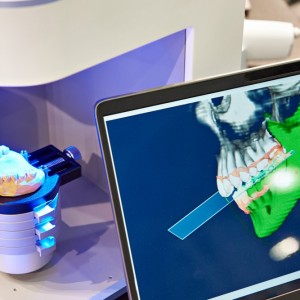
Digitalisation is an expanding field in dentistry and implementation of digital teaching methods in dental education is an essential part of modern education.
Clinical trials 02 May 2023
In this double-blind randomized clinical trial study, 60 female patients between the ages of 14 and 30 years who had moderate tooth crowding and were candidates for fixed orthodontic treatment were...
Read more
Products 22 September 2026

News 22 September 2026

New FlexPayments features help Open Dental practices convert more diagnosed treatment into scheduled care and automatically recover credit card processing fees they’ve been absorbi
News 22 September 2026

The Accreditation Association for Ambulatory Health Care (AAAHC) has accredited Momenta Oral & Maxillofacial Surgery, a full-scope oral and maxillofacial surgery (OMS) practice wit
Editorials 22 September 2026
Tooth travelers: Students sharpen their skills on dental mission trips over the summer breaks
A busy dental student scheduled to graduate next May, few would fault Mackenzie “Kenzie” Bankes for heading to Jamaica for a few lazy days to enjoy sandy beaches and misty mountain
Oral pathology 22 September 2026
This peer-reviewed oral pathology article summarizes clinical evidence from Oral oncology (2026). It focuses on findings that may help dental professionals evaluate treatment decisions, patient...



Copyright © 2026 - All Rights Reserved
ISSN 2767-1178