


Re-learning implantology: Dr. Sammy Noumbissi, Part 2
'Zirconia is a diva'
Paola Omini
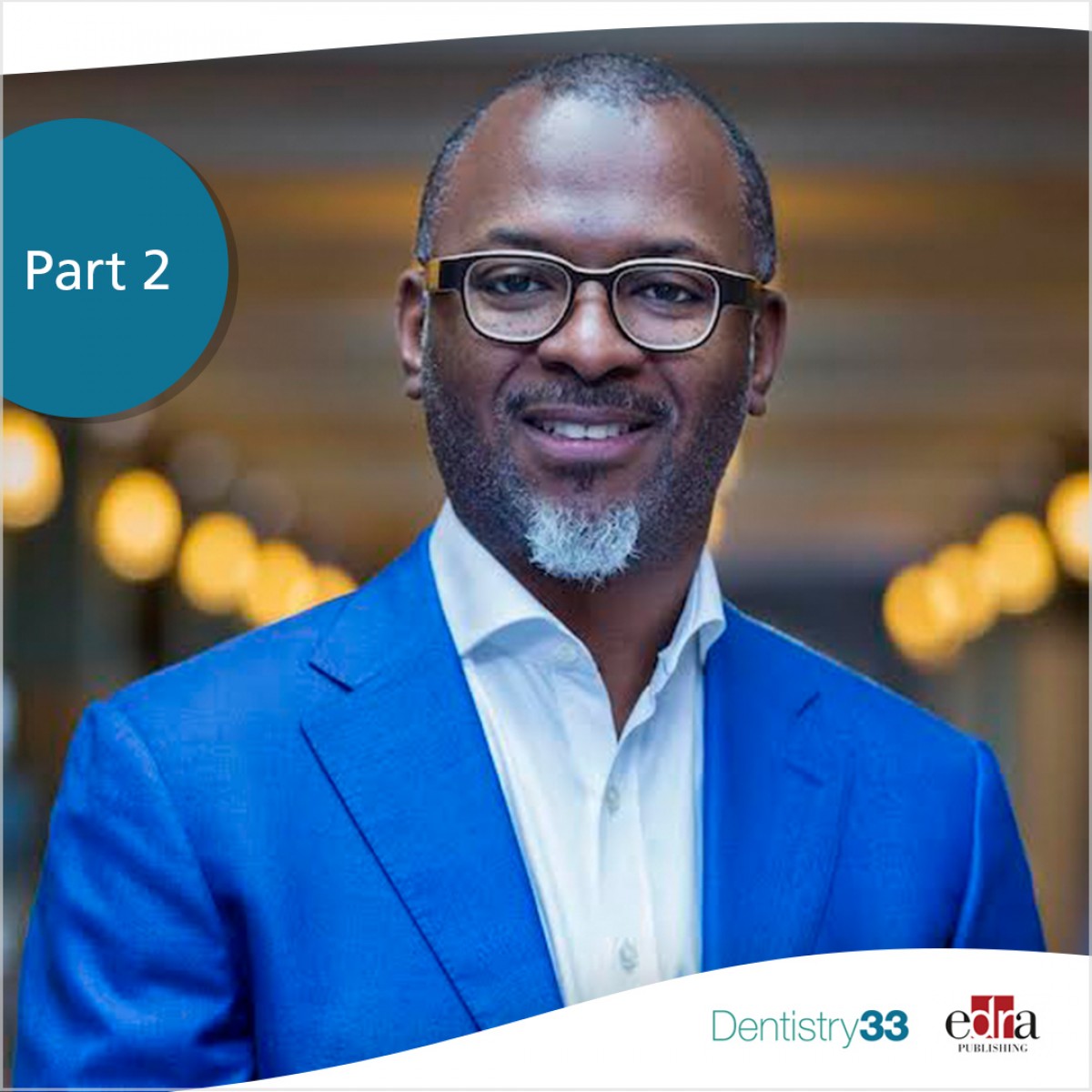
Dentistry33’s Paola Omini recently discussed the use of zirconia implants with Dr. Sammy Noumbissi, founder, and current president of the International Academy of Ceramic Implantology. This is the second part of a three-part interview. Part three will be published Oct. 14.
If you missed the first part, here's a link on our site.
Q: What is the assessment protocol to determine if a patient is a right fit for ceramic implants?
A: As a first step, it's important to assess the patient and identify their overall health status. This includes possible allergies or intolerances, vitamin and mineral deficiencies, and systemic imbalances just to name a few. A good example of a patient I’ve encountered is someone who reports being sensitive to jewelry, cosmetics, or any other metal they encounter. I’ve had patients who had to change their make-up brand due to sensitivities, and others who cannot wear less than 18-carat gold. These are all warning signs of possible intolerances or allergies to metal alloys, and these patients are good candidates for a non-metal implant. Another category is those patients with an organic-to-natural lifestyle, someone who prefers a holistic medical approach. For this group of patients, there is not a medical reason, but a preference; they consider ceramic implants a healthy and better alternative to metals. But like any other material or medical device, ceramic implants also have some limitations. It is very important to carefully assess a patient’s occlusal scheme, anatomy and bone defects. Patients with bone defects or cranial skeletal anatomy unsuitable for ceramic implants are better suited for titanium implants because as of now, these implants have more prosthetic options and solutions.
Q: Are ceramic implants for every dentist?
A: Ceramic implants are intended for all dentists, assuming they are willing to familiarize themselves with the technology and the protocols first. Ceramic implants macroscopically resemble titanium implants. The insertion protocol is virtually the same. The difference with ceramic is that there are many details and nuances about how ceramic implants are planned, where they are placed, the timing of insertion, and how they integrate with bone. With regards to osseointegration, under optimal circumstances and diligent planning, the osseointegration and long-term success of ceramic implants are comparable if not better than that of titanium. The early — less than 5 years — peri-mucositis often seen and well documented in the literature around titanium alloy implants is non-existent with ceramic implants. For the most part, they either osseointegrate or fail to do so early. Therefore, when a dentist has decided to introduce ceramic implants in their practice, it's important to take a basic training course where they can learn about the technology, the material and techniques by observing those who have experience with ceramic implants. Unfortunately, we see colleagues who purchase a kit, proceed with the treatment and run into what can become catastrophic failures and fractures. The failure is then attributed to the ceramic instead of the doctor's lack of training. Ceramic implants are for all dentists willing to learn, observe, and seek a proctorship.
Q: What are the three main recommendations for a dentist who wants to treat patients with ceramic implants?
A: Number one, you must be very thorough. There is a saying in the world of ceramic implants that “zirconia is a diva.” It is a beautiful material, gives you amazing aesthetic results, has biological properties and is highly biocompatible. However, it is a material that needs to be understood and unfortunately, at this time much of the education on these implants is mostly provided beyond the walls of dental schools. It is important to understand the material, the limitation, the technology and how it behaves in the oral environment
Next, you need to realize that ceramic implants do not have coatings. They are not coated implants. Therefore, their paths to osseointegration are not that different but they do have some specificities.
Zirconia is an excellent option for healthy patients. As I said, it doesn’t have any coating on its surface, it is the material itself that is modified. There is no osseous stimulation from zirconia, it is an inert material that allows itself to be colonized by bone. Therefore, in all cases, you need to be sure the patient is systemically healthy and capable of healing and sustaining bone around the implant. Occasionally blood work may be needed, and you want to assess cholesterol, blood sugar, vitamin D, and magnesium. These factors contribute greatly to bone healing, bone health and osseointegration of the dental implants.
The third factor that needs to be taken into consideration is prosthetics. At the beginning of a treatment plan, the dentist should evaluate which prosthetics their implant should have, and then decide which type of ceramic implant is suitable for each situation. We now have an increasing variety of ceramic implants and they all come with more prosthetics options and flexibility. When I started, there were only one-piece implants, and it was very difficult to address the individual anatomical variations.
Read the first part of the interview at this on our site.
About Dr. Sammy Noumbissi, DDS, MS
Dr. Sammy Noumbissi earned his Doctor of Dental Surgery degree from Howard University College of Dentistry in Washington D.C. He subsequently attended the full-time three-year Graduate Program in Implant Dentistry at Loma Linda University in California. His advanced studies culminated with Noumbissi being certified in Implant Dentistry and he also earned a master’s degree in Implant Surgery.
He has been a Ceramic Implant Specialist for over 10 years, and he is the founder and president of the International Academy of Ceramic Implantology.
About the International Academy of Ceramic Implantology
The International Academy of Ceramic Implantology is the first professional worldwide organization established around the concept that ceramic dental implants are a viable, safe and predictable option for teeth replacement. The IAOCI seeks to achieve its goals with state-of-the-art education, research and scientific evidence. It regards itself as a comprehensive resource for dental health professionals within which the latest research, innovations, news and articles on the topics of ceramic implants and dental bio ceramics are studied and disseminated. Educational activities and collaborations serve the Academy’s mission to educate, support and broaden the reach of metal-free implantology.
 Tag
Tag
Related articles
USA 13 April 2023 - 15 April 2023
The Congress will highlight an impressive roster of expert speakers and researchers in the field of bio ceramics and metal-free implant dentistry. Lectures and workshops have been selected with the...
Implantology 12 March 2023
Early bird registration rates end March 15: 12th Annual Ceramic Implantology Congress

World class clinicians will conduct workshops on clinical skills and attendees will learn more about the implementation and business aspects of promoting ceramic implants in dental practices.
Implantology 14 October 2022

'Zirconia is a diva'
Dentistry33’s Paola Omini recently discussed the use of zirconia implants with Dr. Sammy Noumbissi, founder, and current president of the International Academy of Ceramic Implantology.
Implantology 07 October 2022

'Zirconia is a diva'
Dentistry33’s Paola Omini recently discussed the use of zirconia implants with Dr. Sammy Noumbissi, founder, and current president of the International Academy of Ceramic Implantology. This is the...
Products 29 January 2026
The SDS Ceramic Implant System: The Best Choice for Preventing Peri-Implantitis
Swiss Dental Solutions (SDS), a leading manufacturer of ceramic implants for over a decade, offers implant systems that combine material biocompatibility with established clinical performance.
Read more
Europe 27 September 2026 - 30 November -0001
Digital Dentistry Society Global Congress 2026: Event Preview and Professional Highlights

The Digital Dentistry Society Global Congress 2026 will take place from October 22, 2026 to October 24, 2026 in TBD, Rotating Europe, offering dental professionals a focused environment for...
Editorials 27 September 2026
Dentistry33 survey highlights replacement care, deep caries and evolving restorative workflows
Reader survey finds direct composites remain dominant, secondary caries is the leading reason for restoration replacement, and clinicians want more training in pulp preservation
Reader survey finds direct composites remain dominant, secondary caries is the leading reason for restoration replacement, and clinicians want more training in pulp preservation
Edra Professional Books 26 September 2026
Manual of oral surgery: A Practical Reference for Dental Professionals
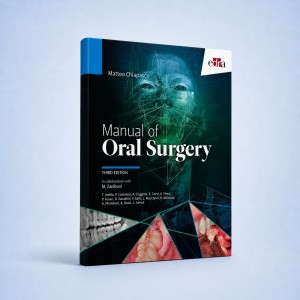
Manual of oral surgery is an Edra professional dentistry reference focused on clinical practice, education and treatment planning.
Products 25 September 2026
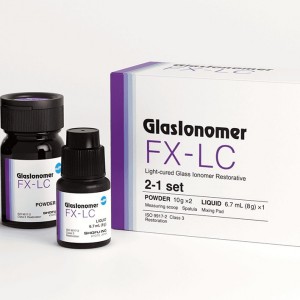
Shofu Dental’s line of dental restorative materials now includes FX-LC, a next-generation, light-cure, resin-reinforced glass ionomer formulated to deliver high strength, efficient 4
News 25 September 2026

The scholarships are part of an ongoing workforce solutions strategy to help address the need for skilled dental hygienists



Copyright © 2026 - All Rights Reserved
ISSN 2767-1178