


Re-learning implantology: Dr. Sammy Noumbissi
'Zirconia is a diva'
Paola Omini
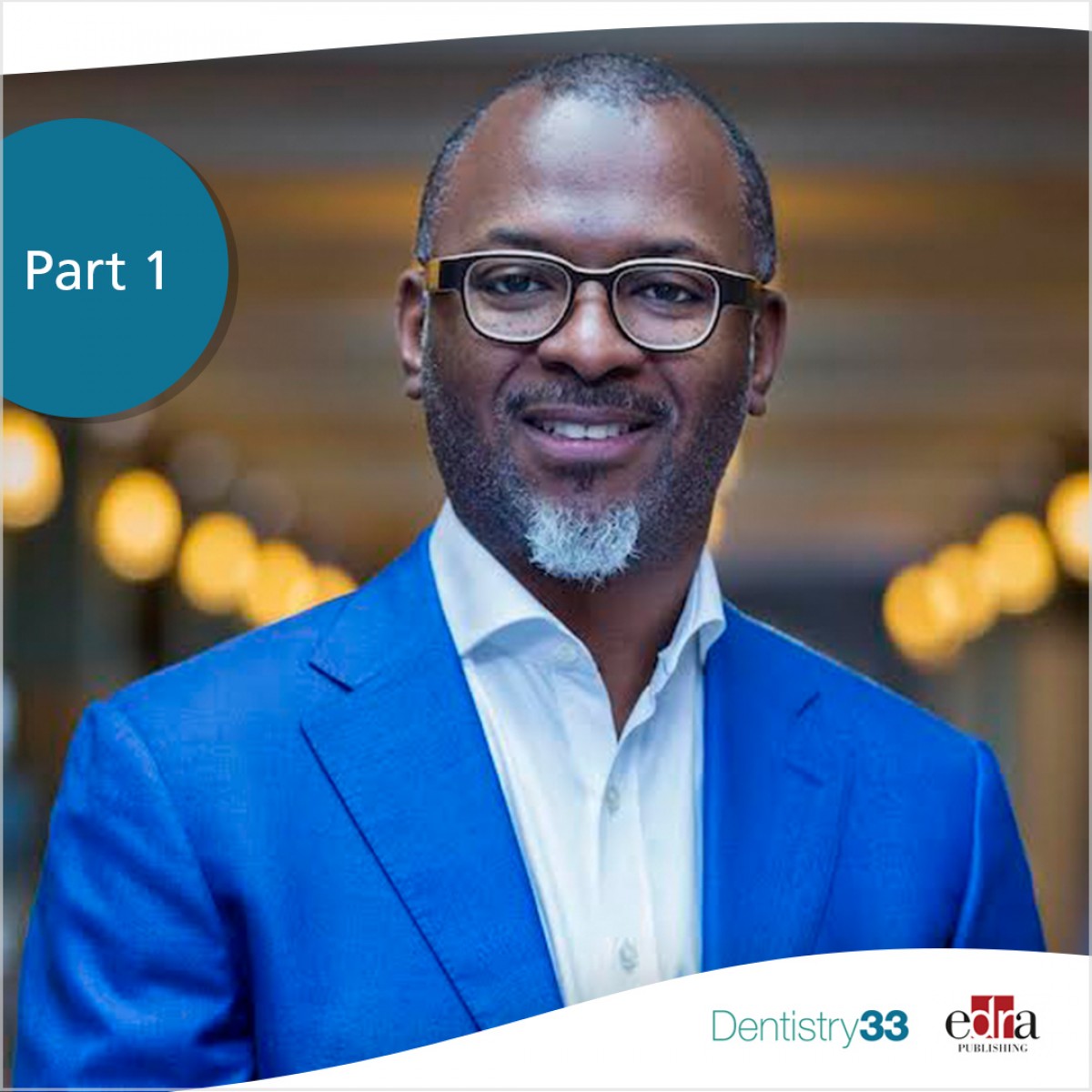
Dentistry33’s Paola Omini recently discussed the use of zirconia implants with Dr. Sammy Noumbissi, founder, and current president of the International Academy of Ceramic Implantology. This is the first of a three-part interview. Part two will be published Oct. 10.
Q: Dr. Noumbissi, you are recognized as one of the leading experts, if not the father of modern ceramic implantology. Why should dentists use zirconia instead of titanium?
A: Zirconia versus titanium is a question that I am always asked. The most obvious difference lies in the materials themselves and their colors, but the choice between one or the other is more nuanced. This choice may be influenced by an aesthetic need, or a health need, and it may also simply be a personal choice of the patient.
Today, many people lean toward a wellness-oriented lifestyle, eating organic food and using natural materials. People who choose this lifestyle for the most part do not want to have metal implants.
On the other hand, some people cannot have metal implants because of sensitivities or allergies and reactions with the material. When we think about dental implant material, we must also keep in mind how it behaves in the oral cavity. It is well-documented that titanium has a corrosion problem and when this happens, alloy components are released into the lymphatic system, and bloodstream, and can even reach peripheral organs. These are some of the most relevant arguments in favor of zirconia over titanium.
Q: Titanium implants have proven their clinical success, so why change? Who or what is driving the demand?
A: The quality and success of titanium implants are clinically proven and well-documented in scientific literature. Titanium has been in use for more than 60 years and has undergone numerous changes and improvements over the decades. But like with any product or technology, success has come with challenges and at the same time, implantology technology has evolved especially regarding materials.
Thirty years ago, zirconia was not a very suitable material for dental implants. Today, modern zirconia has significantly narrowed the gap between titanium and titanium alloys. We now can use zirconia for a broad range of tooth replacement situations from a single tooth to multiple teeth, to complete jaw and even full mouth reconstructions.
Over the years we have learned how different materials withstand the forces and chemical stresses of the oral environment. For example, we know that titanium has corrosion problems, while zirconia does not undergo decomposition. Zirconia has exceptional physical properties and there are no concerns about degradation and metal ions being released into the host as is the case with alloys. Not only are concerns about allergies or sensitivities virtually non-existent, but zirconia also has a far higher aesthetic value than titanium. Additionally, thanks to its low surface energy, zirconia has an extremely low affinity to plaque, so very low counts of pro-inflammatory microbiota can accumulate on its surface. All these factors explain how we see consistent healthy and stable soft tissue around zirconia implants or prosthetic components.
The second part of the question is a very interesting aspect of this topic. Today, the demand for a zirconia implant comes mainly from patients. As I said before, there are people who, for lifestyle or health reasons, do not want to have metal implants in their bodies. These people or patients are the ones who go to the dentist and say they prefer metal-free implants.
There is a proliferation of organic supermarkets, holistic health solutions and alternative medicines all around us. At the same time, there is increasing consumer demand for more natural, minimally invasive and organic products.
Q: Are ceramic implants for every patient? What are the main benefits?
A: Ceramic implants are suitable for all patients. The positive aspect of ceramic implants is that we now know, without any doubt, that ceramic has better physical stability. It does not degrade, has no electrical galvanic potential and it does not leach metal ions into the body because of corrosion. It has exceptional cleaning properties which allow for a healthy and inflammation-free peri-implant environment.
The material has improved so much that fractures have practically disappeared when used properly. It is also regarded as the most commercially available biocompatible implant material.
About Dr. Sammy Noumbissi, DDS, MS
Dr. Sammy Noumbissi earned his Doctor of Dental Surgery degree from Howard University College of Dentistry in Washington D.C. He subsequently attended the full-time three-year Graduate Program in Implant Dentistry at Loma Linda University in California. His advanced studies culminated with Noumbissi being certified in Implant Dentistry and he also earned a master’s degree in Implant Surgery.
He has been a Ceramic Implant Specialist for over 10 years, and he is the founder and president of the International Academy of Ceramic Implantology.
About the International Academy of Ceramic Implantology
The International Academy of Ceramic Implantology is the first professional worldwide organization established around the concept that ceramic dental implants are a viable, safe and predictable option for teeth replacement. The IAOCI seeks to achieve its goals with state-of-the-art education, research and scientific evidence. It regards itself as a comprehensive resource for dental health professionals within which the latest research, innovations, news and articles on the topics of ceramic implants and dental bio ceramics are studied and disseminated. Educational activities and collaborations serve the Academy’s mission to educate, support and broaden the reach of metal-free implantology.
 Tag
Tag
Related articles
USA 13 April 2023 - 15 April 2023
The Congress will highlight an impressive roster of expert speakers and researchers in the field of bio ceramics and metal-free implant dentistry. Lectures and workshops have been selected with the...
Implantology 12 March 2023
Early bird registration rates end March 15: 12th Annual Ceramic Implantology Congress

World class clinicians will conduct workshops on clinical skills and attendees will learn more about the implementation and business aspects of promoting ceramic implants in dental practices.
Implantology 14 October 2022

'Zirconia is a diva'
Dentistry33’s Paola Omini recently discussed the use of zirconia implants with Dr. Sammy Noumbissi, founder, and current president of the International Academy of Ceramic Implantology.
Implantology 10 October 2022

'Zirconia is a diva'
Dentistry33’s Paola Omini recently discussed the use of zirconia implants with Dr. Sammy Noumbissi, founder, and current president of the International Academy of Ceramic Implantology. This is the...
Products 29 January 2026
The SDS Ceramic Implant System: The Best Choice for Preventing Peri-Implantitis
Swiss Dental Solutions (SDS), a leading manufacturer of ceramic implants for over a decade, offers implant systems that combine material biocompatibility with established clinical performance.
Read more
Europe 27 September 2026 - 30 November -0001
Digital Dentistry Society Global Congress 2026: Event Preview and Professional Highlights

The Digital Dentistry Society Global Congress 2026 will take place from October 22, 2026 to October 24, 2026 in TBD, Rotating Europe, offering dental professionals a focused environment for...
Editorials 27 September 2026
Dentistry33 survey highlights replacement care, deep caries and evolving restorative workflows
Reader survey finds direct composites remain dominant, secondary caries is the leading reason for restoration replacement, and clinicians want more training in pulp preservation
Reader survey finds direct composites remain dominant, secondary caries is the leading reason for restoration replacement, and clinicians want more training in pulp preservation
Edra Professional Books 26 September 2026
Manual of oral surgery: A Practical Reference for Dental Professionals
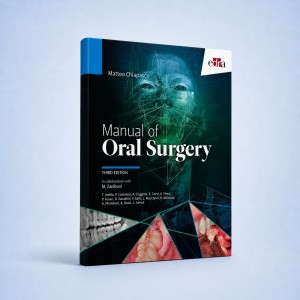
Manual of oral surgery is an Edra professional dentistry reference focused on clinical practice, education and treatment planning.
Products 25 September 2026
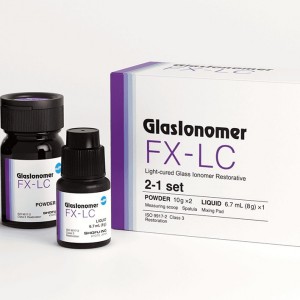
Shofu Dental’s line of dental restorative materials now includes FX-LC, a next-generation, light-cure, resin-reinforced glass ionomer formulated to deliver high strength, efficient 4
News 25 September 2026

The scholarships are part of an ongoing workforce solutions strategy to help address the need for skilled dental hygienists


Copyright © 2026 - All Rights Reserved
ISSN 2767-1178