


Root canal irrigation: an update
Massimo Gagliani

The success of endodontic treatment derives from the complete elimination of microorganisms in intraradicular compartment. To achieve a more effective eradication of these microorganisms, endodontic instrumentation must always be implemented with abundant irrigation, which has to achieve chemical, mechanical and biological effects.
The irrigation solutions most used today are:
- Sodium Hypochloride (NaOCl) in different concentrations;
- Clorhexidine (CHX);
- EDTA or other chelating agents like Maleic Acid (MA);
- Specific antibacterial agent (QMix, Tetraclean);
- A special use of Calcium Hydroxide (CaOH) in inter-appointment phase;
- Canphorated paramonochlorophenol (CPMC) associated to CaOH.
These liquid solutions should be released into the root canals through syringes and needles but different techniques, such as manual agitation by guttapecha cone, positive or negative apical pressure, sonic or ultrasonic activation, or laser activations like PIPS and PDT.
The objective of this review was to update the different irrigating solutions and intracanal disinfection drugs, as well as to establish an irrigation protocol in the endodontic treatment.
MATERIALS AND METHODS
Systematic search of scientific articles in the databases PubMed, Medline and Google Scholar, with the following keywords Endodontic, Infection, Failure, Irrigation, Retreatment and Irrigation protocol. The exclusion criteria were "case report" articles and articles with a publication date prior to 2000.
RESULTS
48 articles that met the inclusion criteria were analyzed. Comparing the different articles it can be seen that the NaOCl was still the "gold standard" in terms of immediate antimicrobial efficacy, followed by the CHX that has a long-term antibacterial effect but should be used particularly on retreatement. As an intra-conductive drug it is advisable to use the combination of Ca(OH)2 with CPMC.
CONCLUSIONS
The most adequate irrigation protocol consists of using a concentration superior to 2.5% NaOCl, activated by ultrasound, followed by a final wash with a final wash of a chelating agent (7% MA or EDTA), a cautious use of 2% CHX, due to its interaction with NaOCl, might be after the root canal has been completely dried by paper points.
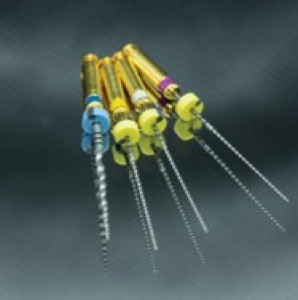
(Photo Credit: Dr. Riccardo Tonini)
For additional informations:
Update of the therapeutic planning of irrigation and intracanal medication in root canal treatment. A literature review.
 Tag
Tag
Related articles
Endodontics 17 February 2026
Treatment options for endodontic failure include nonsurgical or surgical endodontic retreatment, intentional replantation, and extraction with or without replacement of the tooth.
Endodontics 08 October 2022
The access cavity in retreatments: redefinition and management of iatrogenic errors

By Alessandro Fava
Endodontic retreatments often represent a fundamental crossroads for the fate of the single dental element. Even more so, when dealing with a multidisciplinary treatment plan, endodontic success can...
Endodontics 26 August 2022

Is it better to try to preserve a dental element with every possible means or to place an osseointegrated implant? There is a great variability of response...
Oral surgery 04 July 2022
Evaluation of the effectiveness of apicoectomy performed with the microscope: a retrospective study

Authors: Christian Bacci, Luca Donolato, Alessia Cerrato, Gastone Zanette
Apical post-treatment pathology can jeopardize the success of endodontic treatment. Various alternatives must be taken into account to promote periapical healing: orthograde retreatment, which is...
Endodontics 16 May 2022
Evaluation of periapical surgery under operative microscope: a retrospective study

Authors:Christian Bacci, Luca Donolato, Alessia Cerrato, Gastone Zanette
Apical post-treatment pathology can jeopardize the success of endodontic treatment. If periapical pathology develops the orthograde retreatment is considered the treatment of choice whenever...
Read more
Products 25 September 2026
Shofu Dental’s line of dental restorative materials now includes FX-LC, a next-generation, light-cure, resin-reinforced glass ionomer formulated to deliver high strength, efficient 4
News 25 September 2026

The scholarships are part of an ongoing workforce solutions strategy to help address the need for skilled dental hygienists
News 25 September 2026

Michael Riccobene celebrates teamwork, community and more than 25 years of growth as one of sports’ most iconic trophies makes a special stop in Garner.
Editorials 25 September 2026
Oral surgery 25 September 2026
This peer-reviewed oral surgery article summarizes clinical evidence from International journal of oral and maxillofacial surgery (2026). It focuses on findings that may help dental professionals...


Copyright © 2026 - All Rights Reserved
ISSN 2767-1178