


Controversies in Endodontics
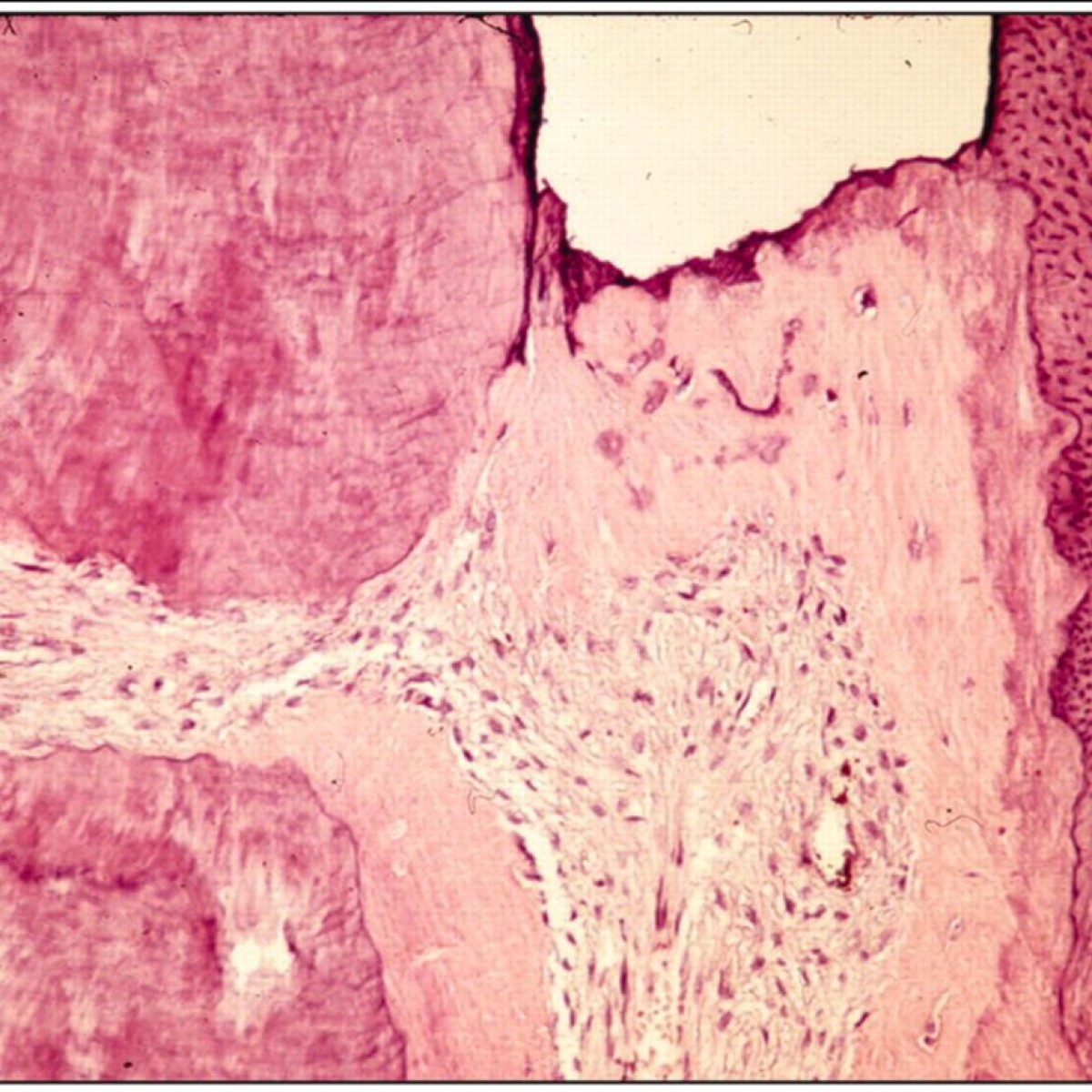
Diseases of the dental pulp often have an infectious origin, and treatments are aimed to control infections of the root canal system. Endodontic treatment principles originally evolved on the basis of trial and error, and only in recent decades have scientific methods been adopted to support clinical strategies. Yet, relevant research on the disease processes, their diagnoses, and efficient treatment are rare in the endodontic literature. Hence, the advancement of biologically based knowledge significant to clinical endodontics has been slow. Therefore, many differences of opinion still prevail in this field of dentistry. This review highlights and analyzes the background of some of the more heavily debated issues in recent years. Specifically, it deals with disagreements regarding the clinical management of pulpal exposures by caries in the adult dentition, definitions of success and failure of endodontic therapy, and causes of and measures to control infections of the root canal system. Clearly, a most apparent gap in the published endodontic literature is the lack of randomized clinical trials that address the more significant controversial matters relating to the management of pulpal wounds, medication, and the number of appointments required for the treatment of infected root canals. However, trials in endodontics require extremely long follow-up periods if valid conclusions are to be generated. Therefore, it is not to be expected that there will be rapid solutions to these issues in the foreseeable future.
Lesions of the pulp are often infectious, and treatments involve several critical steps that are aimed to restrain infections of the root canal system in teeth. Originally, treatment methodologies in endodontics, like those in many other dental disciplines, evolved based on trial-and-error observations, and only in recent decades have scientific methods been adopted to support clinical strategies. Yet, research reports focusing on issues relevant to the disease processes of the pulp and how they can be diagnosed and managed effectively are rare in the endodontic literature. An assessment of articles appearing in leading endodontic journals reveals that technical aspects of the testing of instruments and filling materials, often by in vitro evaluations in extracted teeth, tend to be the dominating topics (Wu and Wesselink, 1993; Eriksen et al., 2002). As a consequence, the advancement of biologically based knowledge significant to clinical endodontics has been slow. Irving Naidorf (1972), in a critical review on contemporary issues in endodontics, observed: “The preoccupation of dentists with techniques has channeled dentistry (including endodontics) into a state of technical excellence that often is not accompanied by a biological awareness of the basic pathologic problems with which we are dealing or the biologic consequences of our therapy. The schism between clinicians and basic scientists is propagated by a tendency of each group to confer with themselves rather than with each other.” The past 30 years have brought little change, and only modest amounts of the accumulated biological knowledge have found clinical application in the endodontic arena. It is, therefore, not surprising that, in this field of dentistry, there are many contradictory views and opinions as to the proper management of endodontic disorders.
This review highlights and analyzes the background of some of the more significant issues that have been debated in the endodontic field in recent years. Specifically, this review discusses controversies regarding the clinical management of the disease processes associated with the vital and the non-vital dental pulp.
Authors: G. Bergenholtz, L. Spångberg
Source: https://journals.sagepub.com/
 Related articles
Endodontics 12 October 2026
This peer-reviewed endodontics article summarizes clinical evidence from Journal of dentistry (2026). It focuses on findings that may help dental professionals evaluate treatment decisions, patient...
Endodontics 05 October 2026
This peer-reviewed endodontics article summarizes clinical evidence from Journal of dentistry (2026). It focuses on findings that may help dental professionals evaluate treatment decisions, patient...
Endodontics 01 October 2026
This peer-reviewed endodontics article summarizes clinical evidence from International endodontic journal (2026). It focuses on findings that may help dental professionals evaluate treatment...
Endodontics 28 September 2026
This peer-reviewed endodontics article summarizes clinical evidence from Journal of dentistry (2026). It focuses on findings that may help dental professionals evaluate treatment decisions, patient...
Endodontics 21 September 2026
This peer-reviewed endodontics article summarizes clinical evidence from Journal of dentistry (2026). It focuses on findings that may help dental professionals evaluate treatment decisions, patient...
Read more
Products 15 October 2026

The belief in the healing power of light goes all the way back to ancient Egypt and the worship of Rah, the sun god.
Nearly half the world’s population is affected by oral disease—and the number of cases is rising.
News 15 October 2026

New office at 3170 R Street adds walk-in availability and same-day care options in a region where dental providers are in short supply

Each year, the University of Colorado Anschutz School of Dental Medicine (SDM) Excellence Awards recognize individuals whose dedication, leadership and innovation strengthen our mi
Oral surgery 15 October 2026

This peer-reviewed oral surgery article summarizes clinical evidence from International journal of oral and maxillofacial surgery (2026). It focuses on findings that may help dental professionals...



Copyright © 2026 - All Rights Reserved
ISSN 2767-1178