


Efficacy of Combined Versus Supplementary Injection Techniques With Inferior Alveolar Nerve Block for Mandibular Molars With Symptomatic Irreversible Pulpitis: A Systematic Review and Network Meta-Analysis.
This peer-reviewed endodontics article summarizes clinical evidence from International endodontic journal (2025). It focuses on findings that may help dental professionals evaluate treatment decisions, patient outcomes, or clinical protocols.
Abstract
BACKGROUND: Achieving effective anaesthesia in mandibular molars with symptomatic irreversible pulpitis is challenging. Various strategies involving the inferior alveolar nerve block (IANB) have been investigated, such as supplementing with additional injections after IANB failure (SUPP) or combining injections with IANB as primary injections (COMB). However, studies directly comparing SUPP and COMB are still lacking.
OBJECTIVES: This study aims to assess and compare the anaesthetic effectiveness of different IANB strategies-SUPP and COMB-in mandibular posterior teeth with symptomatic irreversible pulpitis using a systematic review and network meta-analysis.
METHOD: A comprehensive search was conducted in the PubMed, Embase, Cochrane Library, CINAHL and Scopus databases to identify relevant studies up to October 2024. Eligible randomised clinical trials (RCTs) were analysed using pairwise meta-analysis and network meta-analysis with a random-effects model to estimate treatment effects. Results were reported as risk ratios (RRs) with 95% confidence intervals (CIs) and surface under the cumulative ranking curve (SUCRA) values. The quality of the evidence was assessed using the CINeMA (Confidence in network meta-analysis) software (University of Bern, Bern, Switzerland).
RESULTS: A total of 28 studies involving five interventions were identified. Compared with IANB alone, both SUPP (RR = 2.02; 95% CI: 1.55-2.30; SUCRA: 85.1%) and COMB (RR = 1.86; 95% CI: 1.50-2.30; SUCRA: 64.9%) significantly improved anaesthetic success. However, there was no significant difference in effectiveness between SUPP and COMB.
CONCLUSION: The quality of evidence ranging from low to high suggests that both SUPP and COMB are comparable in anaesthetic efficacy during endodontic treatment of mandibular molars with symptomatic irreversible pulpitis. However, both SUPP and COMB strategies showed significantly superior effectiveness compared to IANB alone.
Key takeaway
Key takeaway: This review-level evidence helps clinicians interpret the consistency and strength of available clinical findings in this topic area.
Introduction from full text
In endodontology, pain management in intra- and postoperative stages of treatment is an important element in gaining success [ 1 ]. Lack of anaesthetic efficacy of inferior alveolar nerve block injection (IANB) for teeth diagnosed with irreversible pulpitis presents a necessity for further investigations [ 2 , 3 ]. Studies have shown that maxillary teeth tend to disclose less pain during endodontic procedures when compared to mandibular teeth [ 4 ]. Moreover, researchers have reported more pain for teeth diagnosed with irreversible pulpitis/acute apical periodontitis than teeth with necrotic pulp/chronic apical periodontitis [ 5 ].
Dental professionals have been faced with the problem of obtaining proper anaesthesia while treating irreversible pulpitis [ 6 ]. IANB is the most common technique for gaining anaesthesia in mandibular posterior teeth; however, its failure is reported to be ∼10%–81%, with different reasons claimed for the lack of success [ 7 – 9 ]. Most recent studies have recommended several methods to overcome the anaesthetic problem, e.g., increasing the anaesthetic volume [ 10 ], decreasing the speed of injection [ 7 , 11 ], using analgesics before receiving anaesthesia, and adding complements such as meperidine [ 12 , 13 ]. However, application of supplemental injections, i.e., intraosseous, intraligamentary, infiltration, and intrapulpal injections, can be regarded as an effective technique/alternative to increase anaesthetic efficacy [ 6 , 8 , 14 – 25 ]. Intraosseous injection is not usually recommended due to (i) the need for special equipment and (ii) concern over increase in the heart rate when the anaesthetic contains epinephrine and levonordefrine [ 6 , 22 ]. Supplemental Intraligamentary (IL) injections force anaesthetic solution(s) through the cribriform plate to marrow spaces and into the vasculature in/around the tooth, without inserting direct pressure on nerves and having periodontal ligament as their primary route [ 26 ]. A study reported the success rates of ∼37% and ∼62% for infiltration injection after an ineffective IANB in teeth with irreversible pulpitis using lidocaine and articaine, respectively [ 27 ]. In a similar investigation, a success rate of ∼63% was published for IL injection in endodontic and restorative treatments [ 15 ]. Cohen et al. reported a ∼73% success rate for supplemental IL injection in the endodontic treatment of teeth with irreversible pulpitis [ 28 ]. In other studies, the success rate for IL injection was shown to be ∼48% with lidocaine [ 14 ], ∼56% with a computer-controlled local anaesthetic delivery system [ 18 ], ∼83.33% with articaine [ 17 ], and ∼50% for primary IL injection in endodontic treatments [ 29 ]. The success rate of combining supplemental IL injection with IANB has been reported to be much higher than that of IANB alone; however, 100% success cannot be achieved [ 14 , 15 , 17 , 29 ]. In addition, the success rate and efficacy of anaesthesia seems to be higher when the supplemental anaesthetic is the same as the anaesthetic used for IANB [ 8 ]. Furthermore, it has been reported that 4% articaine has been significantly more efficient than 2% lidocaine for supplemental buccal infiltration in the mandibular second molars with irreversible pulpitis after failed IANB [ 30 ]. Moreover, women seem to react differently to pain when compared with men and are more likely to show challenges in anaesthesia [ 31 ]. The presentation of women to avoid pain may cause anxiety, which could affect the responses to pain between women and men [ 32 ]. To the best of our knowledge, there has been no study on the comparison between lidocaine and articaine as supplemental IL injections after IANB with the same anaesthetic in mandibular molars, between the first and second molars, and between men and women.
The purpose of this study was to evaluate the anaesthetic efficacy of lidocaine supplemental IL injection after an ineffective lidocaine IANB and that of articaine supplemental IL injection after an ineffective articaine IANB in the mandibular first and second molars. In addition, the efficacy of the two anaesthetics in the mandibular first and second molars, as well as in women and men, was compared. Our null hypotheses were that there would be no difference in the anaesthetic efficacy of 4% articaine and 2% lidocaine as IL Injections after an ineffective IANB in mandibular molars with irreversible pulpitis, between mandibular first and second molars, and between women and men.
Peer-reviewed source
Thanatpong Rujirawan, Sittichoke Osiri, Kanet Chotvorrarak
International endodontic journal. 2025
DOI: 10.1111/iej.70007
PMID: 40734367
PubMed: https://pubmed.ncbi.nlm.nih.gov/40734367/
Image: Ozkan Guner (Unsplash)
 Related articles
Endodontics 21 September 2026
This peer-reviewed endodontics article summarizes clinical evidence from Journal of dentistry (2026). It focuses on findings that may help dental professionals evaluate treatment decisions, patient...
Endodontics 16 September 2026
This peer-reviewed endodontics article summarizes clinical evidence from International endodontic journal (2026). It focuses on findings that may help dental professionals evaluate treatment...
Endodontics 14 September 2026
This peer-reviewed endodontics article summarizes clinical evidence from Journal of dentistry (2026). It focuses on findings that may help dental professionals evaluate treatment decisions, patient...
Endodontics 07 September 2026
This peer-reviewed endodontics article summarizes clinical evidence from Journal of dentistry (2026). It focuses on findings that may help dental professionals evaluate treatment decisions, patient...
Endodontics 31 August 2026
This peer-reviewed endodontics article summarizes clinical evidence from Journal of dentistry (2026). It focuses on findings that may help dental professionals evaluate treatment decisions, patient...
Read more
Europe 27 September 2026 - 30 November -0001
Digital Dentistry Society Global Congress 2026: Event Preview and Professional Highlights
The Digital Dentistry Society Global Congress 2026 will take place from October 22, 2026 to October 24, 2026 in TBD, Rotating Europe, offering dental professionals a focused environment for...
Editorials 27 September 2026
Dentistry33 survey highlights replacement care, deep caries and evolving restorative workflows
Reader survey finds direct composites remain dominant, secondary caries is the leading reason for restoration replacement, and clinicians want more training in pulp preservation
Reader survey finds direct composites remain dominant, secondary caries is the leading reason for restoration replacement, and clinicians want more training in pulp preservation
Edra Professional Books 26 September 2026
Manual of oral surgery: A Practical Reference for Dental Professionals
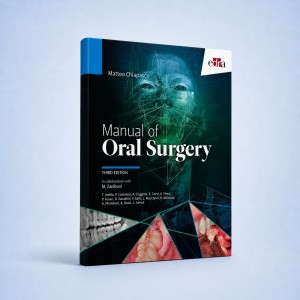
Manual of oral surgery is an Edra professional dentistry reference focused on clinical practice, education and treatment planning.
Products 25 September 2026
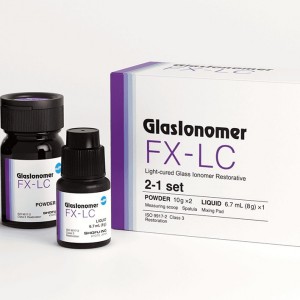
Shofu Dental’s line of dental restorative materials now includes FX-LC, a next-generation, light-cure, resin-reinforced glass ionomer formulated to deliver high strength, efficient 4
News 25 September 2026

The scholarships are part of an ongoing workforce solutions strategy to help address the need for skilled dental hygienists



Copyright © 2026 - All Rights Reserved
ISSN 2767-1178