


Pulpotomies of permanent teeth performed with bioactive materials: Evaluation of success
Lara Figini
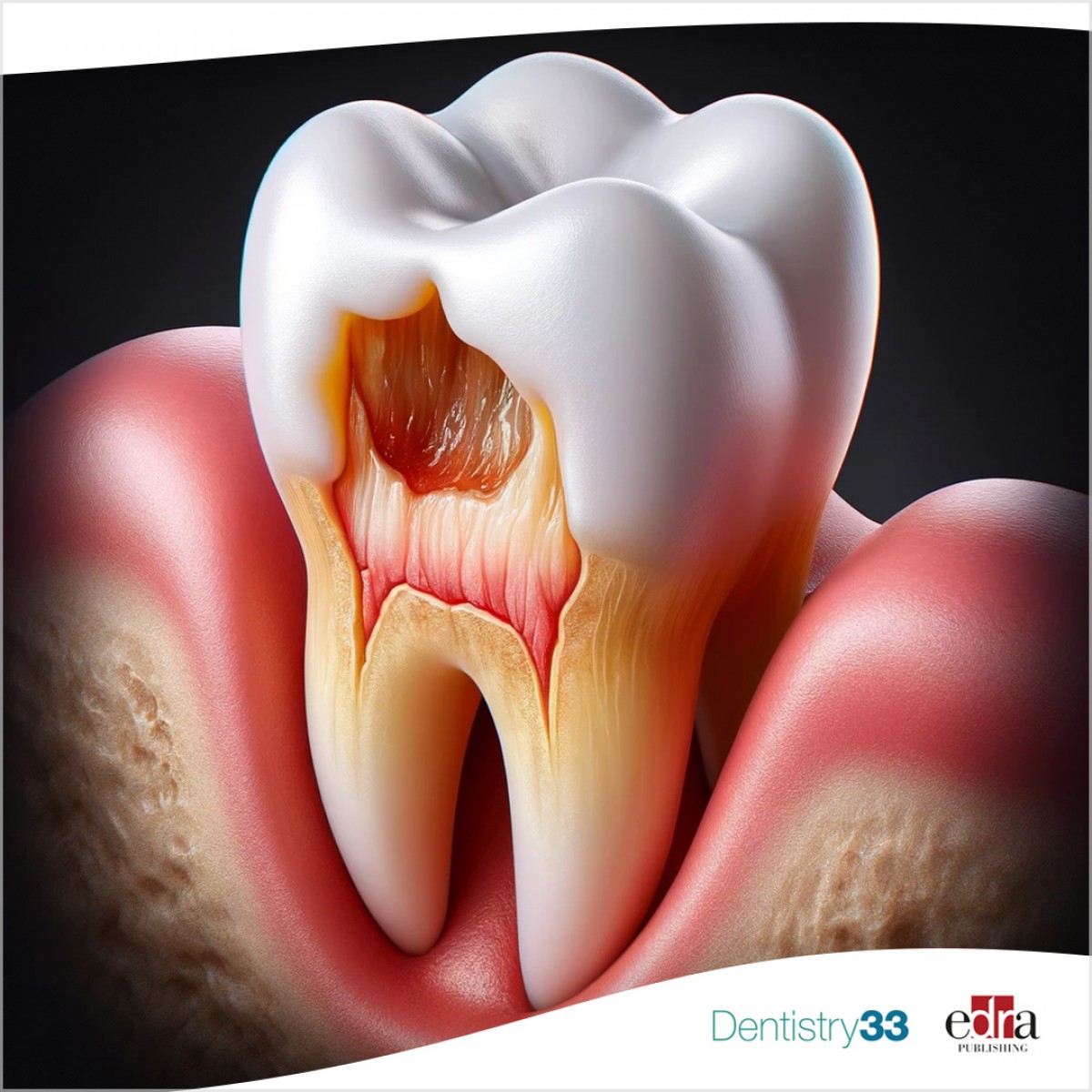
Recent literature studies have shown that vital pulp treatments (VPT) can be effective both in deciduous teeth but also in mature permanent teeth with irreversible pulpitis (Lin et al., 2020). One type of VPT is pulpotomy, which involves removal of only the coronal pulp with the aim of protecting the root pulp tissue. This procedure is used in cases of pulp exposure caused by trauma or deep decay, where the exposed pulp is still viable, inflamed but capable of healing (Lin et al., 2020). Once the coronal pulp has been partially or completely removed, the remaining pulp tissue is covered with a material suitable to promote healing, a biocompatible material, which can promote the formation of hard dental tissue and carry out antimicrobial activity without being toxic to the residual pulp tissues (Chen et al., 2019). These materials include bioactive cements, such as pastes based on calcium hydroxide, or enriched with calcium mixtures (CEM), mineral trioxide aggregates (MTA) and other cements based on calcium silicate, also called bioceramics . The International Association of Dental Traumatology (2020) recommends calcium hydroxide paste and MTA as the best materials for pulpotomy in permanent teeth with pulp exposure due to trauma.
Materials and methods
In a recent systematic review, published in International Endodontic Journal, the authors evaluated the success rate of pulpotomies on permanent teeth, performed with ProRoot MTA compared to those performed with calcium hydroxide and other bioceramic materials. A comprehensive search was conducted through several electronic databases, including PubMed, Cochrane Library, Scopus, Web of Science, Embase and Science Direct up to December 2022. The search was guided by the PICOS criteria and included only clinical trials randomized trials (RCTs) that evaluated the success rate of pulpotomy treatments in permanent teeth using ProRoot MTA compared to calcium hydroxide and other bioceramic materials. The quality of included studies was assessed using the RoB-2 for risk of bias and relevant data were extracted and analyzed using RevMan 5.3 software. The GRADE tool was used to determine the overall quality of the evidence.
Results
Of the 1,072 studies initially identified, 16 studies were included in the final systematic review, of which 10 were considered to be at high risk of bias. Pulpotomy overall showed an average success rate of 92% after 1 year. The meta-analysis indicated significantly higher success for pulpotomies performed with MTA compared to calcium hydroxide, while no significant difference was observed between MTA and calcium-enriched materials (CEM) or Biodentine. The GRADE assessment revealed an overall low level.
Conclusions
From the data of this review, which must be confirmed in other similar studies and reviews, it can be concluded that pulpotomy is a highly effective treatment for the management of permanent teeth. The results indicate that the success rate of pulpotomy using the ProRoot MTA is significantly higher than that of pulpotomy with calcium hydroxide.
Info: Success rate of permanent teeth pulpotomy using bioactive materials: A systematic review and meta-analysis of randomized clinical trials. Emmanuel J. N. L. Silva, Karem P. Pinto, Felipe G. Belladonna, Claudio M. A. Ferreira, Marco A. Versiani, Gustavo De-Deus. Int Endod J. September 2023;56
 Related articles
Pediatric dentistry 12 May 2025
A Diagnostic Insight of Dental Pulp Testing Methods in Pediatric Dentistry

The accurate diagnosis of pulpal pathology in pediatric dentistry is essential for the success of vital pulp therapy. Pulp testing is often a challenging task due to understanding and cooperation...

The new NUVIA Dental Implant Center in will offer state-of-the-art facilities, cutting-edge technology and a team of experienced dental professionals dedicated to delivering exceptional care.
Endodontics 17 May 2023
A retrospective study on endodontic treatment outcomes in patients with special needs
This study evaluated the periapical healing and tooth survival in patients with special needs who had permanent teeth endodontically treated in a hospital setting between 1998 to 2019.
Pediatric dentistry 05 January 2023
Effectiveness of sealing in first permanent molars adjacent to decayed teeth

Resin infiltration has been shown to be effective for up to seven years. But to date there are no similar studies for resin sealing with observation times not exceeding 3.5 years.
Pediatric dentistry 05 November 2022
The use of electronic apex locators during the endodontic treatment of primary teeth

The main goal of endodontic therapy in primary dentition is to preserve the teeth in a symptom-free state until they are naturally replaced by their...
Read more

Jen Kim Field, chief sustainability officer at Henry Schein and president of the Henry Schein Cares Foundation, answers questions for Dentistry Today about the group’s achievements
News 12 October 2026

The education-first program offered learning for the entire dental practice, with practical insights spanning the full patient journey and focused on improving workflows, collabora
News 12 October 2026

AAO and Stand for the Silent Unite Communities This Month to Shine a Light on Bullying Prevention
Editorials 12 October 2026
Expanded coverage: Texas A&M’s Plemons named 2026 Texas Dentist of the Year

Sometimes a small act of generosity can make a tremendous impression, especially on a 7-year-old.
Endodontics 12 October 2026

This peer-reviewed endodontics article summarizes clinical evidence from Journal of dentistry (2026). It focuses on findings that may help dental professionals evaluate treatment decisions, patient...


Copyright © 2026 - All Rights Reserved
ISSN 2767-1178