


CAD/CAM materials might reduce gingival inflammation during provisional phase in prosthodontics rehabilitation
Massimo Gagliani
Several prosthodontics rehabilitation processes are needed to recreate a correct masticatory function. The provisional stage is quite important and materials employed in this phase are not completely satisfactory, not only for resistance but also for the interaction with dental plaque and soft tissues.
A very interesting study was published on one of the most important journal in dental research.
The aim of this study was to evaluate the cytotoxicity and inflammatory response of different types of provisional restorative traditional and CAD/CAM materials to mice gingival fibroblasts.
The Authors choose to investigate cytotoxicity of provisional material discs :
-thermal-polymerized acrylic resin
-auto-polymerized acrylic resin
-bisacrylic resin
-nano-ceramic resin for CAD/CAM
-prefabricated polymer block for CAD/CAM
All these disks were tested to Mice (Balb/c) gingival cell both in direct and indirect contact (extracts) at 24, 48 and 72 h, using the MTT and Alamar blue assays. Materials extracts (24 h) were applied to the cell culture (indirect contact) or cells were seeded on discs of provisional materials, and the cytotoxicity and production of IL-6, IL-1β and TNF-α after 24, 48 and 72 h were analyzed through MTT, Alamar Blue® and ELISA. Culture medium was used as control for indirect contact assay (extract) and the surfaces of the wells without discs of provisional materials were used as control for direct contact assay.
Results
The results were quite clear: Auto-polymerized and bisacrylic resins (direct contact) reduced cell viability after 24, 48 and 72 h compared to control (P < .05). In addition, Auto-polymerized and bisacrylic resins increased IL-6, IL-1β and TNF-α levels mainly at 24 h when compared to the other materials (P < .001). Indirect contact (extract) was not cytotoxic to cells at all periods compared to control (P > .05).
Conclusion
Auto-polymerized and bisacrylic resins were more cytotoxic to mice gingival fibroblasts. CAD/CAM nano ceramic resin and prefabricated polymer blocks are more predictable materials to preserve the periodontal soft tissues during the provisional phase of a prosthodontics rehabilitation.
For additional informations: Cytotoxicity and inflammatory response of different types of provisional restorative materials.
 Tag
Tag
Related articles
Editorials 20 September 2026
Dentistry33 survey shows small practices balancing growth, costs and technology modernization
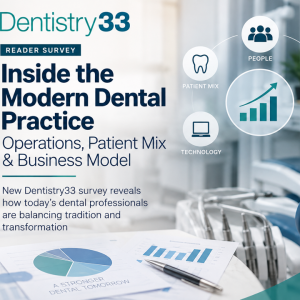
Reader survey finds solo and small practices remain prominent while staffing, rising costs and digital adoption shape business priorities
Reader survey finds solo and small practices remain prominent while staffing, rising costs and digital adoption shape business priorities
Digital Dentistry 20 April 2026
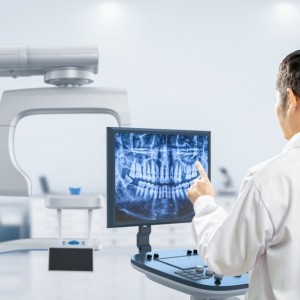
To report a fully digital and guided immediate-load All-on-4 protocol conducted in Brazil on a 59-year-old male patient with an edentulous maxilla and a history of oropharyngeal cancer surgery,...
Digital Dentistry 03 April 2026
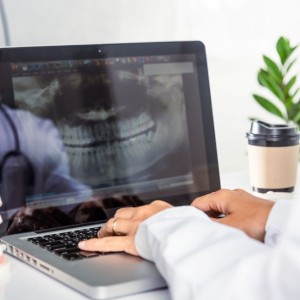
The purpose of this review is to provide the readers with current information and state-of-the-art of digital scanning systems within the orthodontics.
Digital Dentistry 16 February 2026
An original procedure for the ovoid pontic technique in ortho-restorative cases

In the multidisciplinary treatments, especially in case of missing teeth in aesthetic area, the compliance of patient during retention time post orthodontic therapy is evidently very high, even among...
Editorials 03 February 2026

Dr. Alireza Sadr of the Department of Restorative Dentistry has been appointed as the first-ever UW School of Dentistry Director of Digital Dentistry and Innovation, effective Jan. 1, 2026.
Read more
Products 25 September 2026
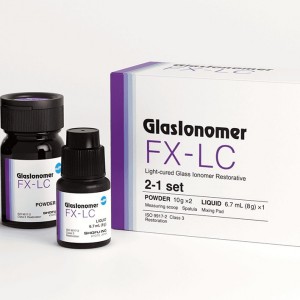
Shofu Dental’s line of dental restorative materials now includes FX-LC, a next-generation, light-cure, resin-reinforced glass ionomer formulated to deliver high strength, efficient 4
News 25 September 2026

The scholarships are part of an ongoing workforce solutions strategy to help address the need for skilled dental hygienists
News 25 September 2026

Michael Riccobene celebrates teamwork, community and more than 25 years of growth as one of sports’ most iconic trophies makes a special stop in Garner.
Editorials 25 September 2026
Oral surgery 25 September 2026
This peer-reviewed oral surgery article summarizes clinical evidence from International journal of oral and maxillofacial surgery (2026). It focuses on findings that may help dental professionals...


Copyright © 2026 - All Rights Reserved
ISSN 2767-1178