


Esthetic outcomes in orthodontics through digital customization with a lingual appliance system
Background
Contemporary fixed orthodontic appliances are shifting from non-customized pre-adjusted appliances to custom-designed and printed appliances with novel digital setup systems. We are one step closer to precision dentistry and orthodontics using personalized mechanics and custom appliances. However, despite the evidential enhancement and other improvements to fixed appliances, tooth movement is still limited to five degrees of freedom. Opening or closing spaces still requires manually placing elastomeric chains or coil springs.
Aim
In this article, we aimed to demonstrate how advancements in CAD/CAM technology, reverse engineering, and digital customization are helping orthodontics constantly evolve, enabling treatment with enhanced esthetics and minimal compliance. The clinical system (InBrace®, Irvine, CA) described in this article uses a patient-specific, digitally designed multiloop NITI wire that delivers friction-free, light, and continuous forces and activates automatically whenever the malocclusion deviates from the digital setup.
Conclusion
Through digital customization, InBrace allows for automated tooth movement in all six degrees of freedom, including space opening or closure, via programmed non-sliding mechanics.
Clinical Significance
Precision orthodontics and personalized treatment have been significant developments in orthodontics recently. This article focuses on how a technologically advanced lingual appliance system could achieve targeted cosmetic results methodically via automation and personalization.
Authors: Andre Weissheimer, John Pham, Hongsheng Tong, Sercan Akyalcin
Source: https://onlinelibrary.wiley.com/
 Related articles
Prosthodontics 16 April 2026
The use of orthodontics before fixed prosthodontics in restorative dentistry
For a variety of reasons, orthodontic intervention is often overlooked as a viable modality to correct occlusal, axial, rotational, and space discrepancies before undertaking fixed prosthetic...

This manuscript describes strategies for assessment of precision of several diagnostic artificial intelligence (AI) tools in orthodontics
Digital Dentistry 03 April 2026
The purpose of this review is to provide the readers with current information and state-of-the-art of digital scanning systems within the orthodontics.
News 31 March 2026
Global orthodontic experts gather to present SMA-based clinical strategies and accelerate the adoption of next-generation digital orthodontic solutions.
Orthodontics 27 March 2026
The Primary Failure of Eruption in orthodontics: knowledge to prevent overtreatment
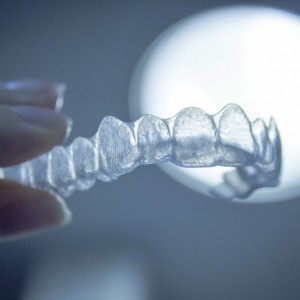
The aim of this paper is to report a rare clinical case of Primary Failure of Eruption (PFE) in a young Italian patient.
Read more
Products 28 April 2026
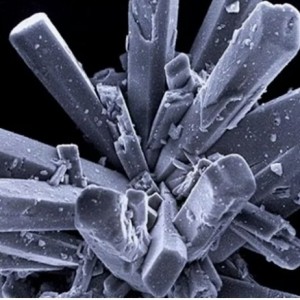
The OsteoGen Plug® is the original and still the best clinically proven composite grafting plug
News 28 April 2026
Dental Service Organization Continues Southwest Florida Expansion; Strengthens Commitment to General Dentistry with Extended-Hours and Emergency Dental Services
News 28 April 2026
Study enrollment completion marks critical milestone in advancing bone regeneration for dental reconstruction using Theradaptive’s targeted therapeutic platform
Editorials 28 April 2026
School of Dentistry Faculty Member Nisha D’Silva Leads National Research Organization
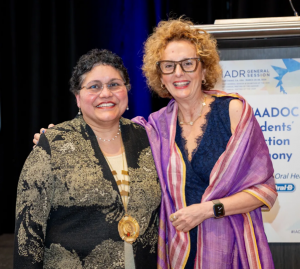
University of Michigan School of Dentistry faculty member Dr. Nisha D’Silva is the new president of the American Association for Dental, Oral and Craniofacial Research (AADOCR) for 2026-27.




Copyright © 2026 - All Rights Reserved
ISSN 2767-1178