


Not All Bone Grafting Plugs Are Created Equal: Why OsteoGen™ Remains the Proven Choice for Socket Preservation
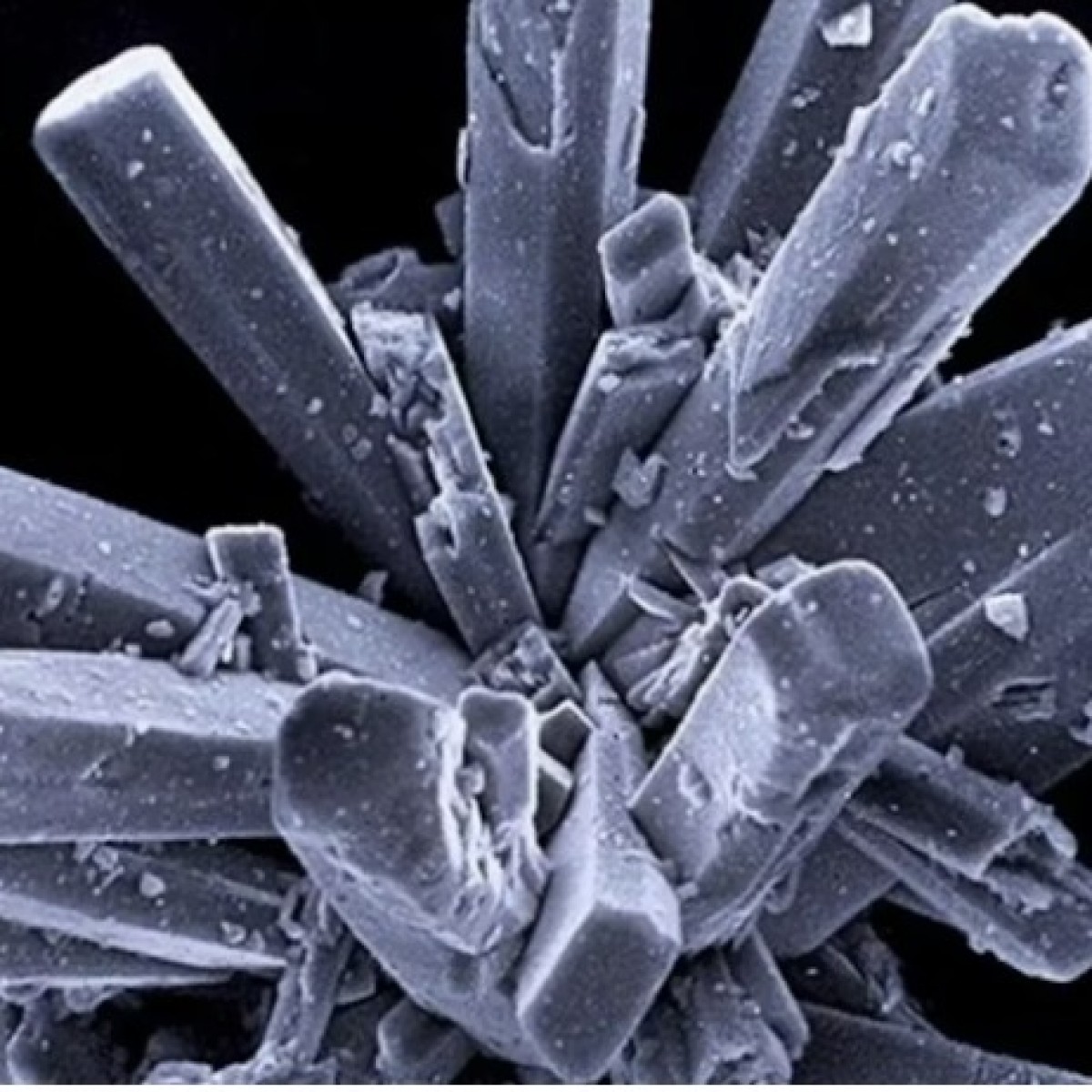
The OsteoGen Plug® is the original and still the best clinically proven composite grafting plug
Like virtually every practice in the United States, you have experienced patients who have presented with teeth that need to be extracted due to any number of reasons. With each of these extractions, there is the opportunity to prevent an already catastrophic situation from getting worse. Socket preservation has been a recommended treatment at the time of extraction, yet many doctors do not routinely perform this procedure.
If you are already performing this type of procedure, you may be asking why someone would not do it? The answer has historically been easy: the procedure has required the use of a grafting particulate, some sort of barrier or membrane, and then sutures to hold everything in place. For some, this is too much.
In 2014, the OsteoGen Plug® was born, and with it a whole new way to preserve a socket entered the profession. It was simple, easy, and inexpensive. These plugs were so successful that around 2024 new grafting “plugs” emerged onto the marketplace. But be careful, as these plugs are not the same.
OsteoGen Plugs® are the only composite grafting plug that has Bioactive Crystal Technology (BCT). BCT describes the ability of the biomimetic OsteoGen™ crystals to actively influence the peri-defect area by providing Ca⁺, PO 4 and OH⁻ ions in the correct physiologic levels to positively influence the regeneration of bone in the socket.
The matrix of OsteoGen™ crystals and Type I bovine collagen prevents fibroblastic downgrowth at the top of the socket, thereby removing the need for a membrane or barrier in most cases. How can it get any easier than that?
Most of the new plugs on the market are markedly different. First, their mineral makeup is carbonated apatite, a form of hydroxyapatite (HA) created under higher temperatures that produces a specific type of mineral. Chemically, a carbonate group replaces the OH⁻, and the sintering makes for a dense material, like a ceramic. What does this mean? The graft material will take longer to break down and increases the possibility of encapsulation rather than complete resorption. If it does resorb, according to the manufacturer, it takes more than 6 months to be ready for an implant. Contrast this with an OsteoGen Plug® which allows for implant placement in 4–6 months. With these carbonated plugs, it is also recommended that a membrane be used if primary closure cannot be obtained.
Sintering makes for a very dense material that is more difficult to visualize radiographically, unlike OsteoGen™, which is radiolucent upon placement, with the grafted area becoming radiopaque once new bone has formed.
OsteoGen Plugs® are designed to be trimmed to fit sockets with multiple roots, and unlike the other plugs, they do not fall apart or become “gooey” when hydrated. Considering the many alternatives with carbonated apatite plugs, the choice is clear: the original OsteoGen Plug®, with over 2.5 million placements, has a proven track record that speaks for itself.
 Related articles
Products 13 May 2026
The OsteoGen Plug® is the original and still the best clinically proven composite grafting plug
News 10 April 2026

New agentic workflow converts post-appointment patient conversations into structured financial notes, follow-up actions, and business insights.
Orthodontics 11 March 2026
Assessment of some properties of orthodontic primer after incorporating nanotheobromine

The study aimed to assess the shear bond strength, changes in FTIR, and degree of conversion for the primer of orthodontic composite after incorporating nanotheobromine powder.
News 07 November 2025

VideaHealth, the leading dental AI platform, today announced the launch of Voice Notes, the first AI-powered ambient scribe created specifically for dentistry.
News 02 September 2025

Dr. Doug’s Pediatric Dentistry (“Dr. Doug’s”) is providing notice of a recent data security incident that may have involved personal and/or protected health information.
Read more
Europe 27 September 2026 - 30 November -0001
Digital Dentistry Society Global Congress 2026: Event Preview and Professional Highlights

The Digital Dentistry Society Global Congress 2026 will take place from October 22, 2026 to October 24, 2026 in TBD, Rotating Europe, offering dental professionals a focused environment for...
Editorials 27 September 2026
Dentistry33 survey highlights replacement care, deep caries and evolving restorative workflows
Reader survey finds direct composites remain dominant, secondary caries is the leading reason for restoration replacement, and clinicians want more training in pulp preservation
Reader survey finds direct composites remain dominant, secondary caries is the leading reason for restoration replacement, and clinicians want more training in pulp preservation
Edra Professional Books 26 September 2026
Manual of oral surgery: A Practical Reference for Dental Professionals
Manual of oral surgery is an Edra professional dentistry reference focused on clinical practice, education and treatment planning.
Products 25 September 2026
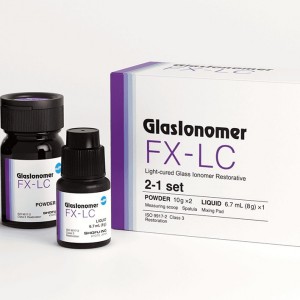
Shofu Dental’s line of dental restorative materials now includes FX-LC, a next-generation, light-cure, resin-reinforced glass ionomer formulated to deliver high strength, efficient 4
News 25 September 2026

The scholarships are part of an ongoing workforce solutions strategy to help address the need for skilled dental hygienists



Copyright © 2026 - All Rights Reserved
ISSN 2767-1178