


Immediate non-occlusal versus early loading of dental implants in partially edentulous patients - 15-year follow-up of a multicentre randomised controlled trial
Authors: Tiziano Testori, Fabio Galli, Matteo Capelli, Francesco Zuffetti, Jacopo Buti, Marco Esposito

Purpose
To compare peri-implant bone and soft-tissue levels at immediately non-occlusally loaded versus non-submerged early-loaded implants in partially edentulous patients 15 years after loading.
Materials and methods
Fifty-two patients from five Italian private practices were randomized, 25 to immediate loading and 27 to early loading. To be immediately loaded, single implants had to be inserted with a torque of at least 30 Ncm and splinted implants with a torque of at least 20 Ncm. Immediately loaded implants were provided with non-occluding temporary restorations within 48 hours, which were brought into full occlusion after 2 months. In the early loading group, implants were loaded after 2 months. Definitive restorations were provided 8 months after implant placement in both groups. Outcome measures were prosthesis failures, implant failures, and complications, recorded by non-blinded assessors, and peri-implant bone and soft-tissue levels, as evaluated by blinded assessors.
Results
Fifty-two implants were loaded immediately and 52 early. Twelve patients with 24 implants dropped out from the immediate group versus 11 patients with 22 implants from the early loaded group, but all remaining patients were followed up for at least 15 years after loading. One single implant with its provisional crowns and one definitive prosthesis failed in the immediate loading group. Seven patients with immediately loaded and two with early loaded implants reported complications.
There were no statistically significant differences between groups in terms of implant failures (Fisher’s exact test P = 0.481; diff. = -0.04, 95% CI: -0.16 to 0.08), prosthesis failures (Fisher’s exact test P = 0.226; diff. = -0.08, 95% CI: -0.21 to 0.06), or complications (Fisher’s exact test P = 0.066; diff. = -0.22, 95% CI: -0.41 to 0.01). There were also no statistically significant differences in peri-implant bone (diff. = 0.28 mm, 95%CI: -0.35 to 0.91; P = 0.368) or soft-tissue level changes (diff. = 0.34 mm, 95%CI: -0.32 to 1.00; P = 0.292) between the two groups.
Specifically, after 15 years immediately loaded patients had lost an average of 1.75 mm, and early loaded patients an average of 1.44 mm of peri-implant marginal bone.
Conclusions
The long-term prognosis of prostheses supported by both immediately and early-loaded implants seems favorable.
 Tag
Tag
Related articles
Implantology 03 September 2021
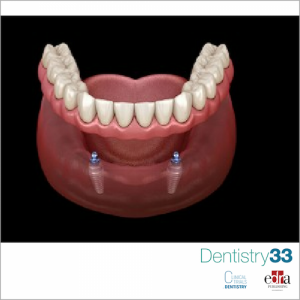
Implant-supported (MO) overdentures is now a well accepted routine treatment with predictable prognosis for the rehabilitation of completely edentulous patients. Thanks to high implant success and...
Implantology 04 September 2026
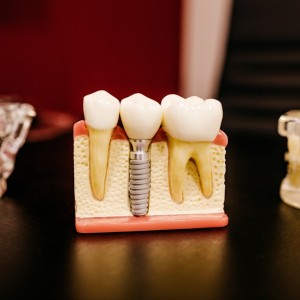
This peer-reviewed implantology article summarizes clinical evidence from Clinical oral implants research (2026). It focuses on findings that may help dental professionals evaluate treatment...
Implantology 20 August 2026
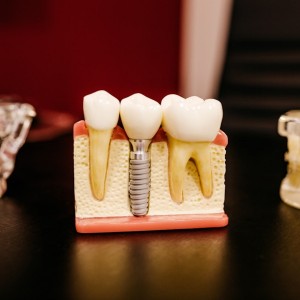
This peer-reviewed implantology article summarizes clinical evidence from Clinical oral implants research (2026). It focuses on findings that may help dental professionals evaluate treatment...
Implantology 06 August 2026
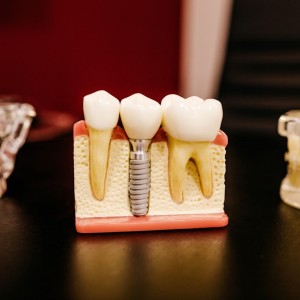
This peer-reviewed implantology article summarizes clinical evidence from Clinical oral implants research (2026). It focuses on findings that may help dental professionals evaluate treatment...
Implantology 24 July 2026
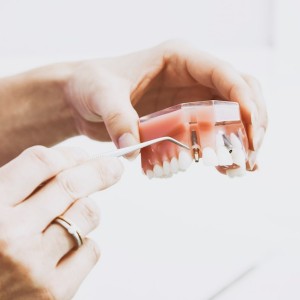
This peer-reviewed implantology article summarizes clinical evidence from Clinical oral implants research (2026). It focuses on findings that may help dental professionals evaluate treatment...
Read more
Products 14 October 2026
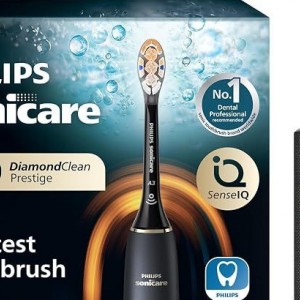
Royal Philips (NYSE: PHG, AEX: PHIA) announced that the Philips Sonicare Next-Generation DiamondClean 9900 Prestige, its most advanced and intelligent toothbrush to date, is now av
Key transaction by Heartland Dental and its supported practices expands opportunities for supported doctors, teams, and practices while strengthening Heartland Dental’s supported f
News 14 October 2026
Henry Schein Cares Celebrates 25 Years of Corporate Citizenship
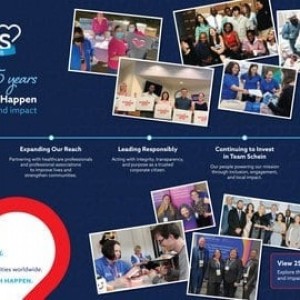
Henry Schein Cares, Henry Schein, Inc.’s global corporate citizenship program, is celebrating a quarter century of bringing together Team Schein Members, customers, supplier partne
Editorials 14 October 2026
Scholarship at the CU Anschutz School of Dental Medicine reflects the collective contributions of our faculty, staff, residents and students.
Oral Hygiene & Prevention 14 October 2026
Propolis-containing formulations in caries prevention - a systematic review and meta-analysis.
This peer-reviewed oral hygiene & prevention article summarizes clinical evidence from Clinical oral investigations (2026). It focuses on findings that may help dental professionals evaluate...


Copyright © 2026 - All Rights Reserved
ISSN 2767-1178