


Teledentistry adoption and applications
Background
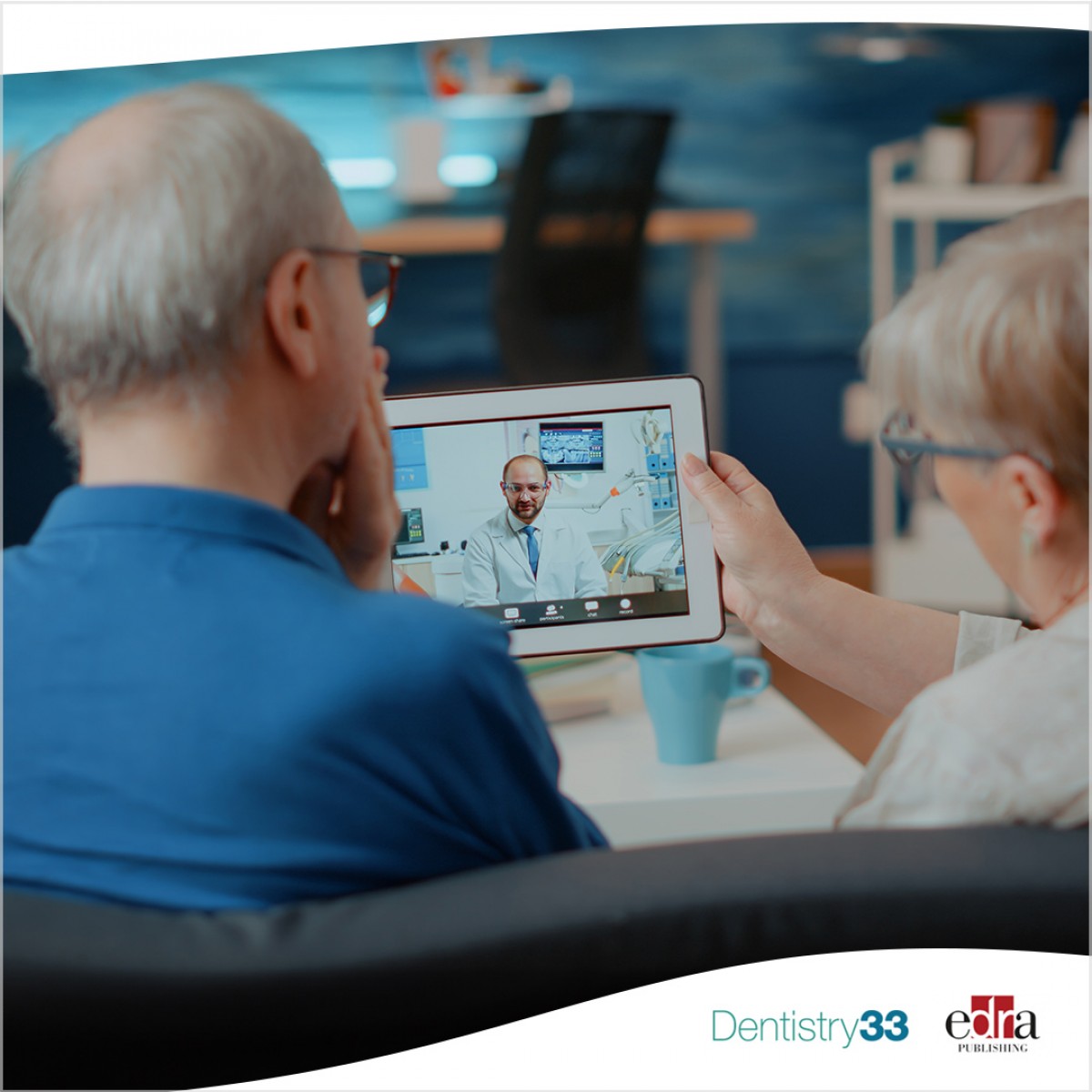
The rise of teleworking technologies has affected various industries, including dentistry. Although some dentists have used it for some time, many are discovering the benefits of incorporating this technology to complement their existing patient care capabilities.
Although telemedicine is increasingly popular for supporting remote care, it has not been widely adopted. The misperception that teledentistry is limited to virtual video calls with patients suggests that nonusers fail to recognize the breadth of its use in dentistry. This survey investigated attitudes about and perceptions of teledentistry among dentists.
Methods
To assess how clinicians are using teledentistry in their practices, an electronic survey was developed and deployed to the American Dental Association Clinical Evaluators (ACE) Panel on February 27, 2023. The survey link remained open for 2 weeks. Nonrespondents received reminders after one week.
Results
Of the 244 respondents (24% response rate), 30% use teledentistry in their practices, with more than one-half of those using synchronous (53%) or asynchronous teledentistry (63%). The most common reasons for incorporating teledentistry were increased convenience for patients (53%), COVID-19 (50%), and increased accessibility to providers (39%). Teledentistry can help serve patients of all ages (the lowest represented age group [0-5 years] had 42% of dentists treating them) and distances, with 63% of teledentistry patients fewer than 20 miles away. Most users adopted teledentistry within the past 3 years and use it fewer than 5 hours per month. Benefits cited include a reduced number of in-person patient visits (63%) and increased access and quality of care (57%). Among nonusers, 60% felt there was no need, and 39% had concerns with reimbursement.
Conclusions
Teledentistry has gained popularity in since the onset of the COVID-19 pandemic but may be underused, despite its potential to benefit a wider range of patients and applications than many believe.
Practical implications
Education on the capabilities and benefits of teledentistry may help increase adoption and improve patient care.
Scott E.I. Howell et al. "Teledentistry adoption and applications: An American Dental Association Clinical Evaluators Panel survey." JADA. September 2023. DOI:https://doi.org/10.1016/j.adaj.2023.06.006.
 Related articles
Oral pathology 25 November 2025

Virtual microscopy (VM) is a technology for showing microscope slides using computers and could be considered a progression of classic methodology using optical microscopes.
News 01 April 2025

A new partnership between Delta Dental of Washington and Dentistry.One, a virtual-first dental care solution introduced by MouthWatch, LLC, provides a virtual dental care option for more than 4...

ZimVie announced management will participate in the upcoming 23rd Annual Needham Virtual Healthcare Conference.
Oral surgery 15 September 2023
Music therapy, virtual reality to manage anxiety and pain in dental surgery

To mitigate the effects of anxiety, alternative techniques have been studied, such as psychological distraction to control anxiety and perioperative pain. These methods do not involve any risk for...
News 31 August 2023

With this new location, Impress – the leader in clear aligners in Europe – now has 11 practices within the U.S.
Read more
Products 15 October 2026
The belief in the healing power of light goes all the way back to ancient Egypt and the worship of Rah, the sun god.

Nearly half the world’s population is affected by oral disease—and the number of cases is rising.
News 15 October 2026

New office at 3170 R Street adds walk-in availability and same-day care options in a region where dental providers are in short supply

Each year, the University of Colorado Anschutz School of Dental Medicine (SDM) Excellence Awards recognize individuals whose dedication, leadership and innovation strengthen our mi
Oral surgery 15 October 2026
This peer-reviewed oral surgery article summarizes clinical evidence from International journal of oral and maxillofacial surgery (2026). It focuses on findings that may help dental professionals...


Copyright © 2026 - All Rights Reserved
ISSN 2767-1178