


Ostrow Researcher Probes Head and Neck Cancer from the Inside Out

Around the world,head and neck cancers are increasing in prevalence — mostly associated with a rise in disease associated with human papilloma virus. When a patient’s head or neck is damaged, they can have difficulty talking or eating for years. Currently, patients have limited options. There are immunotherapies, but fewer than 30 percent of people respond well to them.
Among all cancers, survivors of head and neck cancer have the second highest suicide rate. “The head and neck are what we use to eat and speak,” Assistant Professor and Principal Investigator Dechen Lin said. “You can imagine the trauma that happens after surgery, radiation or chemotherapy. They create a lot of side effects.”
Lin is working on a study to use diet and medications to create some new inroads into understanding and treating these types of cancers. He has recently received a grant from the National Institute of Dental and Craniofacial Research to begin the work.
Avoiding eggs, shellfish and meat?
Lin’s work focuses on a special metabolic feature — an essential amino acid called methionine that is very high in head and neck cancer patients compared to healthy people. Lin has found that this high level of methionine can have a “huge impact on cancer cells surviving and thriving,” Lin said. Blocking the pathway means that tumor cells are killed — that’s what the work in mice shows, so far.
Methionine can also activate epigenetic changes, through an enzyme called EZH2 — and that’s another target of the work. Drugs already exist that inhibit the enzyme for certain lymphomas and leukemias. Lin wants to use these already-approved drugs for head and neck cancer patients.
He’s also planning to test a dietary intervention in the coming years — since methionine is high in certain foods like eggs, shellfish and meat. If patients skip those items, the idea is that their cancers won’t grow as quickly. Lin has assembled a team at Keck with a surgical oncologist and a pathologist and is writing the protocol to eventually identify the patients who might benefit from this modified diet.
Lin says that any dietary intervention would supplement other forms of treatments. Patients would still receive their routine treatments — surgery, radiation therapy or chemotherapy. “However, after all these standard treatments, we’re going to look at their molecular profiles, and we’re going to say these patients may benefit from dietary intervention,” he says. “Our hope is that with our methionine-based intervention, we could see a prolonged survival period or less recurrence of disease and better outcomes.”
Lin’s lab is focused on oral and esophageal cancers, and is working to build up organoids — tiny chunks of tissue from individual patients that could help determine how the patient would respond to different drugs before treatment.
Treating cancers through research requires a special approach, Lin said. “As a PhD, I definitely enjoy all the nitty gritty stuff, like the molecular interactions or epigenetic regulation.” he said. “New technologies are coming out at a mind-blowing pace.” But, as a cancer scientist, he’s driven by a mission to treat patients with urgency. “There’s a gap right between how much we’re researching versus how much clinical progress is made.”
Author: Katherine Gammon
Source: https://dentistry.usc.edu/
 Related articles
Editorials 04 September 2025
Ostrow Completes Fundraising Campaign for Mobile Dental Clinic
Alumni and friends helped make the dream a reality, raising $1 million for the mobile dental clinic, with priority going to replacing an aging Instrument Management System (IMS) unit, the heart of...
The clinician-scientist, who is the school’s associate dean of research, has been serving as interim dean.
Editorials 08 November 2024
Ostrow Receives Funding to Dig into Craniofacial Development
Amy Merrill PhD ’04 has recently received an eight-year grant from the National Institute of Dental and Craniofacial Research.
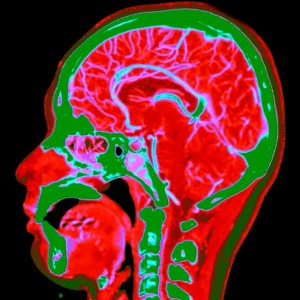
A new paper published in the journal Proceedings of the National Academy of Sciences shows how an amino acid may hold the secrets of oral cancers.
News 11 June 2024

Envista Holdings Corporation and its charitable arm, the Envista Smile Project, announced today that it has partnered with the University of Southern California’s Herman Ostrow School of Dentistry...
Read more

Continuous innovation across the DEXIS ecosystem helps clinicians work with greater clarity, confidence, and efficiency
News 23 October 2026
CrownPoint Partners announced the successful closing of a $9.2 million, five-property dental sale-leaseback portfolio located throughout Michigan.
News 23 October 2026
Dentsply Sirona, Midwest Dental Expand Technology Relationship
Beginning November 1, Dentsply Sirona will expand its long-standing relationship with Midwest Dental Equipment & Supply beyond consumables to include its complete technology portfo
Editorials 23 October 2026
Honoring Excellence: Graduation Awards for CU Anschutz Dental Students and Faculty

As the University of Colorado Anschutz School of Dental Medicine celebrates the graduating DDS Class of 2025, we are proud to recognize the students and faculty members whose excep
Implantology 23 October 2026

This peer-reviewed implantology article summarizes clinical evidence from Clinical oral implants research (2026). It focuses on findings that may help dental professionals evaluate treatment...


Copyright © 2026 - All Rights Reserved
ISSN 2767-1178