


Clinical trial: Botulinum toxin versus dextrose prolotherapy
Purpose
Botulinum toxin type A (BTX-A) therapy or dextrose prolotherapy has been used to treat temporomandibular joint (TMJ) disorders. The superiority of one method over the other has not been studied in patients with TMJ subluxation, which is the goal of the study, published Jan. 12 in the Journal of Oral and Maxillofacial Surgery.
Researchers, led by a team at Atatürk University in Turkey, aimed to answer the following clinical question: Among patients with TMJ subluxation, do those undergoing BTX-A injection into lateral pterygoid muscles have better outcomes in terms of locking episodes and patient satisfaction when compared with dextrose prolotherapy?
Methods
Researchers conducted a randomized clinical trial in adult patients with TMJ subluxation. The sample was composed of patients with TMJ subluxation with painful open locking during wide mouth opening or yawning at baseline.
The subjects were treated randomly with one of two treatment techniques with equal numbers: one-session BTX-A injection into lateral pterygoid muscles (BTX-A group) or three sessions of dextrose injections around TMJ (Prolotherapy group).
The primary outcome variable was the frequency of locking episodes. The secondary outcome variable was patient satisfaction. The primary outcome variable was recorded at baseline and eight to 12 months post-injections. The secondary outcome variable was recorded only eight to 12 months following the injections. Descriptive and bivariate statistics were computed. The data were analyzed with The Wilcoxon and Mann-Whitney U tests.
Results
The baseline sample was composed of 30 patients with TMJ subluxation. However, the follow-up sample comprised 25 subjects: 11 in the BTX-A group and 14 in the prolotherapy group.
Locking episodes decreased significantly in the two groups, with no significant difference (p<.01). Seven patients in the BTX-A group and eight in the prolotherapy group reported no complaint of locking at the end of follow-up, with no significant difference between the groups (p>.05).
Patient satisfaction showed no significant difference between the groups (p>.05).
Conclusion
These findings suggested that BTX-A injection is no more effective than dextrose prolotherapy for any outcome variables of TMJ subluxation assessed.
Songül Cömert Kiliç, Nihat Kiliç and Metin Güngörmüş. “Botulinum Toxin versus Dextrose Prolotherapy: Which is More Effective for Temporomandibular Joint Subluxation? A Randomized Clinical Trial.” Journal of Oral and Maxillofacial Surgery. January 12, 2023. DOI: https://doi.org/10.1016/j.joms.2022.12.023.
 Read more
Europe 27 September 2026 - 30 November -0001
Digital Dentistry Society Global Congress 2026: Event Preview and Professional Highlights

The Digital Dentistry Society Global Congress 2026 will take place from October 22, 2026 to October 24, 2026 in TBD, Rotating Europe, offering dental professionals a focused environment for...
Editorials 27 September 2026
Dentistry33 survey highlights replacement care, deep caries and evolving restorative workflows

Reader survey finds direct composites remain dominant, secondary caries is the leading reason for restoration replacement, and clinicians want more training in pulp preservation
Reader survey finds direct composites remain dominant, secondary caries is the leading reason for restoration replacement, and clinicians want more training in pulp preservation
Edra Professional Books 26 September 2026
Manual of oral surgery: A Practical Reference for Dental Professionals
Manual of oral surgery is an Edra professional dentistry reference focused on clinical practice, education and treatment planning.
Products 25 September 2026
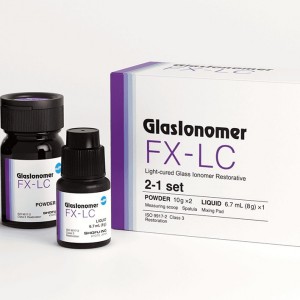
Shofu Dental’s line of dental restorative materials now includes FX-LC, a next-generation, light-cure, resin-reinforced glass ionomer formulated to deliver high strength, efficient 4
News 25 September 2026

The scholarships are part of an ongoing workforce solutions strategy to help address the need for skilled dental hygienists



Copyright © 2026 - All Rights Reserved
ISSN 2767-1178