


Recession 2020 VS Depression 1930
Author: Luigi Campopiano
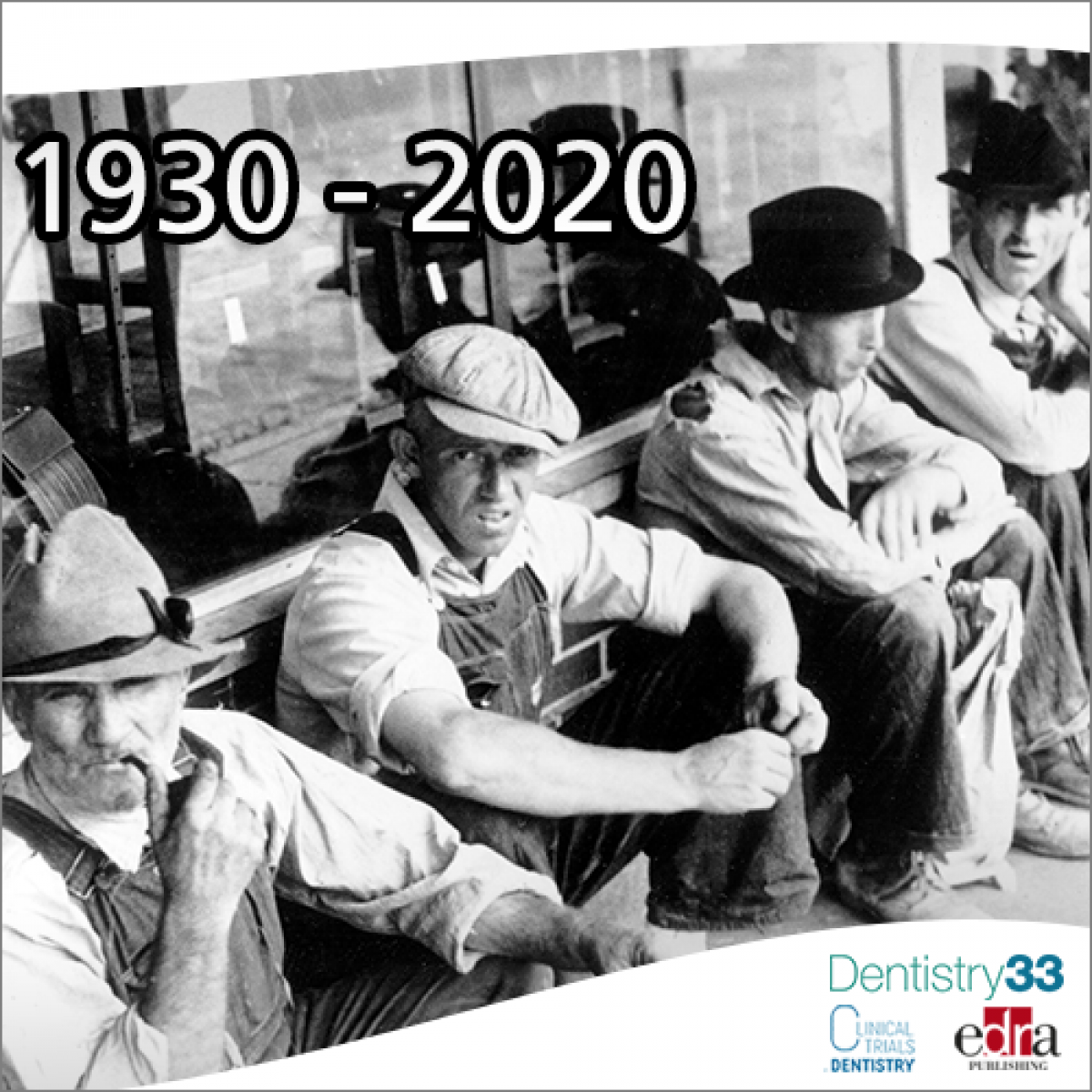
Since the beginning of the Covid pandemic, the phrase "it is the worst post-war crisis" has been heard, with many commentators and analysts comparing the current situation with the notorious 1929 crisis. as far as possible, given the different starting points, the current crisis is still ongoing with what happened between the end of the 1920s and the first half of the 1930s. There is a big difference because the origin of the current recession is very different from any other past crisis:
• In 1929, in particular, it was the collapse of the New York Stock Exchange, which due to speculation and euphoria, had reached not justified by the fundamentals, to cause a collapse of aggregate demand, the crisis of many productive sectors, and an uncontrolled loss of jobs;
• Today, the collapses in demand and aggregate supply have been created by the government authorities of many countries, who have decided to "close" to fight the virus, which, if left free to spread, could cause effects far greater than a recession period.
On the one hand, it means that the return to normality is linked to the timing of vaccines and the vaccination campaign; on the other, it makes comparisons with the Great Depression possible (in fact, the current estimates on the growth of 2020 are sadly comparable with the figures of the first year's Thirty). To ensure that the current crisis does not have the proportions and duration of that of 1929, the prudence of citizens, the commitment, and an adequate response from the political and monetary authorities will be necessary. The mistakes made by governments and central banks to counter it made the crisis of '29 so serious. The Fed, believing that higher yields would limit an investor flight, raised interest rates (thus curbing corporate investments); governments, convinced that they must be austere in a time of crisis and unable to have a global vision, adopted restrictive fiscal measures aimed at balancing the budget and applied duties and barriers (international trade contracted by 50% in a few years). Finally, no one bothered to reassure citizens about the financial system's resilience (the bank run favored bank failures and further aggravated the crisis). Today, central banks are flooding markets and the economy with liquidity; governments are running deficits to guarantee business support, nobody wants a return to autarky and mercantilism. All these measures, together with those imposed on banks after the 2008 crisis,
are ensuring the resilience of the financial system and will be a decisive factor in accelerating the recovery of economies once health risks are finally contained. In conclusion, albeit with different origins, the current crisis is therefore effectively comparable to that of 1929 for its violence and its initial effects (today a great depression of proportions and duration comparable to that of the 1930s is less likely, because 'is the awareness that the knowledge of socio-economic mechanisms is more developed than in the last century: this factor will be fundamental to solving economic issues as much as medical knowledge will prove to be fundamental to solving health issues).
 Related articles
Products 24 January 2023

The increase is projected based on the high rate of dental caries, greater awareness of the importance of oral health, an increase in the number of DSOs and greater demand for cosmetic procedures.
Market 20 September 2022

The global market for dental restorative supplies was forecast to grow to a value of $4.8 billion by 2026, according to a report by market analysts Research and Markets, which provides market...
News 04 August 2022

The global market for teeth whitening was forecast to grow to $8,556.57 million by 2028, according to a report by market analysts, ReportLinker. Growth of the market was expected to reach a CAGR of...
Market 03 August 2022

The global market for clear aligners is forecast to reach a value of $6 billion by 2032, according to a report by analysis firm, Fact.MR. The projected increase marks a CAGR of 32.4% across the...
Market 02 August 2022
The global market for 3-D printing medical devices is forecast to grow by $2.38 billion by 2025, according to a report by Technavio, a market analysis firm. Across the forecast period of 2020 to...
Read more

Continuous innovation across the DEXIS ecosystem helps clinicians work with greater clarity, confidence, and efficiency
News 23 October 2026

CrownPoint Partners announced the successful closing of a $9.2 million, five-property dental sale-leaseback portfolio located throughout Michigan.
News 23 October 2026
Dentsply Sirona, Midwest Dental Expand Technology Relationship

Beginning November 1, Dentsply Sirona will expand its long-standing relationship with Midwest Dental Equipment & Supply beyond consumables to include its complete technology portfo
Editorials 23 October 2026
Honoring Excellence: Graduation Awards for CU Anschutz Dental Students and Faculty

As the University of Colorado Anschutz School of Dental Medicine celebrates the graduating DDS Class of 2025, we are proud to recognize the students and faculty members whose excep
Implantology 23 October 2026

This peer-reviewed implantology article summarizes clinical evidence from Clinical oral implants research (2026). It focuses on findings that may help dental professionals evaluate treatment...



Copyright © 2026 - All Rights Reserved
ISSN 2767-1178