


Building an Investment Portfolio
Luigi Campopiano

When it comes to investments, every strategy should be formulated based on individual circumstances. Savers with similar goals may choose different financial portfolios for a variety of reasons. How can one construct a portfolio that truly reflects their needs? Especially among less experienced savers, doubts and perplexities about building their investment portfolio (the collection of financial instruments owned by the investor) may arise. So, how is it built? There is no one-size-fits-all answer because there are many available methods. However, some steps and guidelines can be outlined in the initial stages of the process. Here are some questions to help narrow down the scope:
- What is my investment goal (capital growth, regular income, etc.)?
- What is my investment time horizon (short-medium-long term)?
- What is the level of risk I can tolerate (low-medium-high)?
Each saver dedicated to investment will need to provide a different answer based on their specific needs. There cannot be a portfolio that is valid for everyone and all goals. Therefore, it is important to build a personalized asset allocation that respects one's financial profile. This involves deciding how to distribute the portfolio among various "investment options" offered by different asset classes (liquidity, stocks, bonds, etc.), identifying the most useful formula to achieve a risk/return ratio in line with personal needs.
Once the asset allocation has been identified (representing the framework within which to operate and from which the majority of achievable returns typically derive), the next step is to evaluate the investable universe, i.e., the asset classes in which to invest. To do this, it is necessary for the saver to be well-informed about the instruments through which to invest and to be assisted by a professional.
Each instrument has different risk, cost, liquidity, and expected return characteristics. Knowing these differences is essential for choosing the solution that aligns with one's needs. Many investors prefer to combine different types of instruments, aiming for diversification and risk containment. At this point, each selected instrument can be assigned the appropriate weight within the portfolio, guided by personal risk tolerance, the predetermined investment time horizon, and investment goals.
The process for constructing an investment portfolio can be summarized in 3 steps:
- Define the reference perimeter (asset allocation).
- Identify the investable universe (asset class).
- Choose the most suitable instruments for investment.
It is the responsibility of each saver to interpret these steps as best as possible, by thoroughly researching and seeking all the necessary advice to make informed choices. A portfolio is most efficient when it is tailored to the investor's needs. It is essential to monitor the performance of investments. Savers would do well not to make hasty or emotional decisions but should review their choices in case of radical changes in their lives. Even better if supported by a professional in the field.
 Related articles
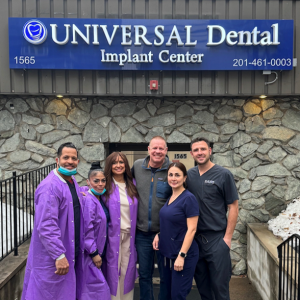
A Fort Lee dental implant specialist is drawing attention for an act of compassion that helped transform the life of a man rebuilding after experiencing homelessness.
Editorials 02 March 2026

The longstanding and ongoing effort to enhance a shared sense of community at the School of Dentistry was celebrated Tuesday during Well-Being and Belonging Day.
Editorials 21 January 2026
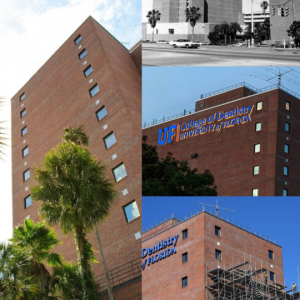
For nearly 50 years, the UF Dental Science Building and its 11‑story tower have greeted patients, practitioners and future Gator Dentists.
Editorials 24 October 2025

From mentoring workshops to leadership insights, the last week’s IU School of Dentistry (IUSD) fall faculty conference and staff retreat brought faculty and staff together respectively for two days...
Editorials 11 August 2025
Building Smiles and Trust: Dr. Mohammed’s Vital Role in Community Health Outreach
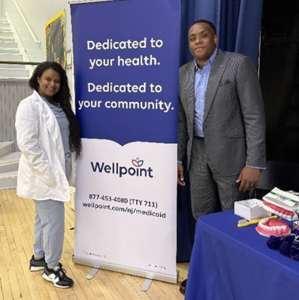
As part of Wellpoint’s ongoing commitment to advancing oral health and addressing disparities in underserved communities, a health screening and basketball event was held on May 28th in Union City
Read more
Europe 11 October 2026 - 30 November -0001
Scandinavian Dental Fair 2026: Event Preview and Professional Highlights

The Scandinavian Dental Fair 2026 will take place from November 11, 2026 to November 13, 2026 in TBD, Sweden/Denmark, offering dental professionals a focused environment for continuing education,...
Edra Professional Books 10 October 2026

Esthetics and function in complete denture prosthesis is an Edra professional dentistry reference focused on clinical practice, education and treatment planning.
Products 09 October 2026

Oral-B and Crest, Official Oral Care Partners of the NFL, recently announced the launch of new special-edition products, giving fans even more ways to celebrate their love of the g
News 09 October 2026
Apex Dental Partners, a dental partnership organization supporting dentists and affiliated practices, has been named No.
News 09 October 2026

New education website and fully funded Swiss fellowship program debut at the 2026 Orthopaedic Trauma Association Annual Meeting in Nashville



Copyright © 2026 - All Rights Reserved
ISSN 2767-1178