


Past, present, and future of CBCT
Evolution passes through the evolution and research of NewTom. We talked about it with prof. Pierluigi Mozzo

The professor. Pierluigi Mozzo (pictured), a medical physicist specializing in Computed Tomography, in the 90s was one of the main designers. They contributed to the development of the first commercial CBCT device and one of the founders of NewTom, an Italian company of the Cefla Group. Thus, the evolution of CBCT goes hand in hand with the evolution of NewTom, almost as if it were their invention.
Can Prof. Mozzo give us some history?
The tomographic reconstruction technique of volumes starting from two-dimensional projections had already been used in the 1980s on prototypes for 'in Vitro examinations, microTC systems for industrial use, and radiotherapy simulators to support treatment plans. However, only with the 'NewTom' was the first true diagnostic device for use on patients been created. The CBCT denomination also originated on that occasion; previously, the prototype devices mentioned above were called 'Fluoroscopic Computed Tomography' systems. The new device immediately made available to users all the three-dimensional 'imaging' features of traditional CT, with a much lower radiation dose and with an inexpensive device, easy to maintain and simple to use. Given the difficulty of accessing the CT exams of large hospitals, the world of 3D radiological diagnostics was finally opened to the dental sector with the new machine.
When the first CBCT was born, is it decided to dedicate it to dental applications?
The first CBCT device, the NewTom 9000, was put on the market for the first time in 1996 by QR of Verona. It was dedicated to imaging the maxillofacial region: this is because the latter was well suited to the reconstruction volume of the machine (a cylinder of about 20 cm diameter by 20 cm in height), and because at the time only dental specialists they could, in addition to radiologists, use radiological equipment for diagnostic purposes complementary to clinical practice. In the following, with the availability of larger X-ray sensors, it was possible to create devices with larger reconstruction volumes. As a result, CBCT machines can also operate on various districts of the musculoskeletal system: knee, shoulder, too.
What has been the evolution of dental CBCT, what are the advantages for the dentist and patients of today's instruments compared to the first model?
Compared to the first model, technological evolution has led to more performing components (X-ray tube and X-sensors), with positive effects on image quality, radiation quality/dose ratio, and continuous improvements. Furthermore, at the software level that has introduced new examination protocols, various possibilities to operate on the 'processing' of images, the production of exams in standard DICO format, and the connection with RIS (Radiological Information System) and PACS (Picture Archiving and Communication) System). All this has contributed to improving the quality of both the examination and the overall service rendered to the patient.
On the market today, there are various models for dental use. What advice can you give to the professional to choose the one that best suits his needs?
I'm not the best person to answer this question. Today there are dozens of manufacturers on the market, and the devices differ not only in technical aspects but also in size, type of use, price, quality of support services...
On 11 September, you will celebrate 25 years since the invention of CBCT in Milan with a scientific event. Can you give us some anticipation?
The NewTom Forum (https://newtomforum2021.com/en/) 2021 includes 14 reports, mainly of a clinical nature, dedicated to the various application sectors of CBCT. Mine will instead be a purely technical intervention that aims to retrace the methodology's technological development stages and outline the possible scenarios for its future evolution.
 Read more
Europe 11 October 2026 - 30 November -0001
Scandinavian Dental Fair 2026: Event Preview and Professional Highlights

The Scandinavian Dental Fair 2026 will take place from November 11, 2026 to November 13, 2026 in TBD, Sweden/Denmark, offering dental professionals a focused environment for continuing education,...
Edra Professional Books 10 October 2026
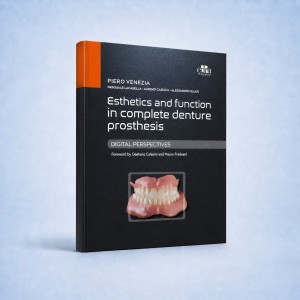
Esthetics and function in complete denture prosthesis is an Edra professional dentistry reference focused on clinical practice, education and treatment planning.
Products 09 October 2026
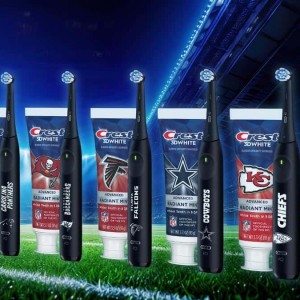
Oral-B and Crest, Official Oral Care Partners of the NFL, recently announced the launch of new special-edition products, giving fans even more ways to celebrate their love of the g
News 09 October 2026
Apex Dental Partners, a dental partnership organization supporting dentists and affiliated practices, has been named No.
News 09 October 2026

New education website and fully funded Swiss fellowship program debut at the 2026 Orthopaedic Trauma Association Annual Meeting in Nashville



Copyright © 2026 - All Rights Reserved
ISSN 2767-1178