


Editorial summer 2021
Lorenzo Breschi
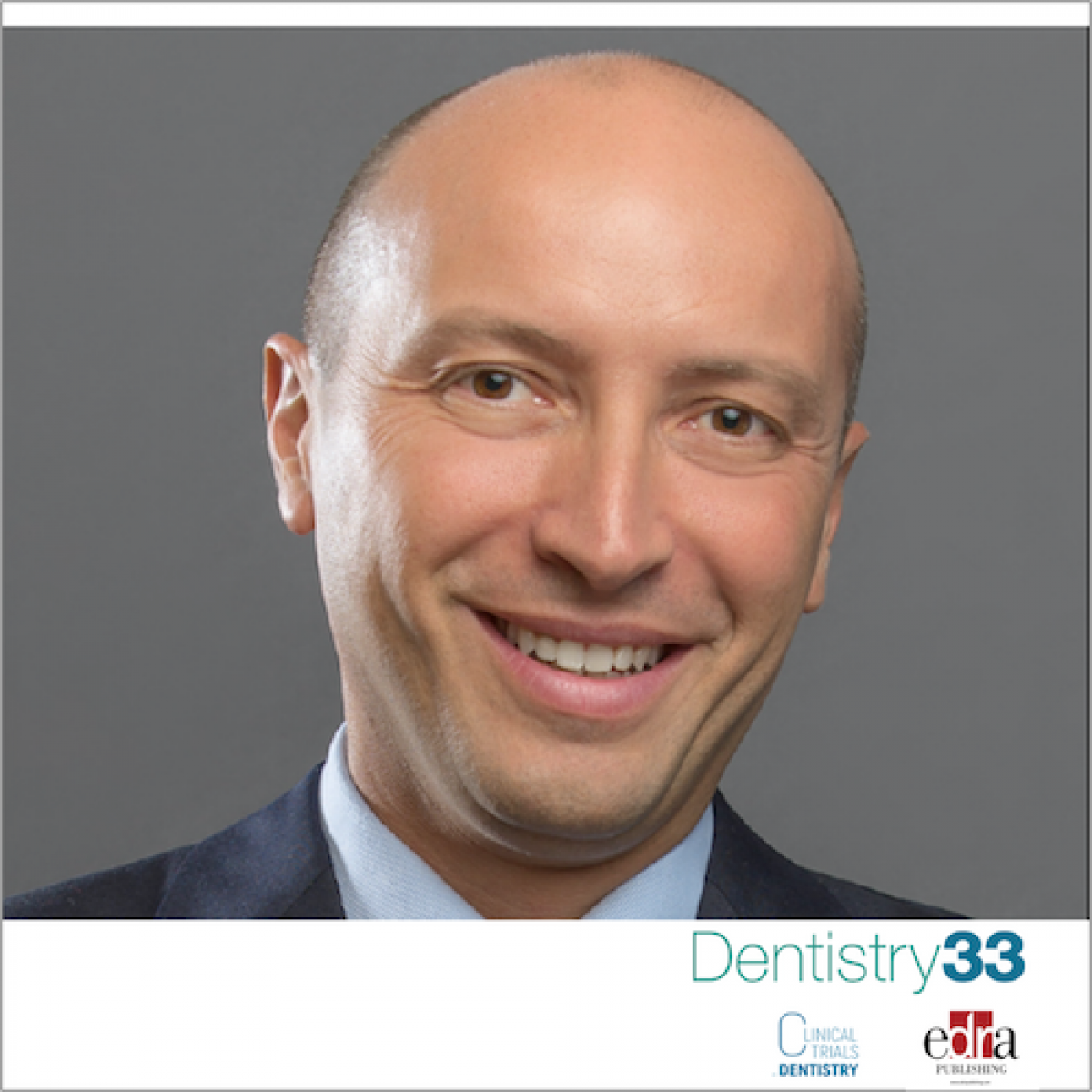
It has been approximately one and a half year since the Covid-19 pandemic changed the course of the world and influenced the lifestyle of many people, regardless of their background and profession. Looking back at 2020 and recent winter lockdowns in many countries, we can finally say that this summer seems more predictable and promising thanks to anti-covid vaccines which are now available worldwide.
So what exactly 1.7 billion doses of vaccines have thought scientists and what can we expect in closer future? Firstly, promising results have been reported when administrating Pfizer-BioNTech vaccine with 95% effectiveness in protecting recipients from symptomatic Covid-19 infection. Furthermore, it has been announced that Sputnik V vaccines offers 97% effective protection, while Oxford-AstraZeneca vaccines were found to be 85-90% effective in preventing symptomatic disease after two doses. Another big question is how long the protection against the disease last? It is clear that six months is a relatively short period to collect data on how durable the vaccine response will be, but we can expect the data to soon emerge from clinical-trial participants who received their first doses in July last year. How soon the booster will be needed depends in part on the rate which antibody levels decline, but in general, it is considered that a booster of Pfizer-BioNTech vaccine will be needed in 8-12 months after the second dose. Overall, countries have observed declines in deaths and hospitalization caused by Covid-19, with Public Health England estimating that vaccine has saved over 13.000 lives among people over 60 years.
In the light of the earlier mentioned findings, as dentists, we can ask ourselves if the current dental guidelines would still remain valid and what we can expect in future? Unfortunately, we cannot still see the end of Covid-19 pandemic and therefore it would be practically impossible to follow previous recommendations for postponing all non urgent dental treatment and the “drill down” concept. Hence, all current guidelines which recommend suspending of routine dental procedures until the end of pandemic should be critically revised. The only logical solution is to cautiously resume all routine dental procedures with adequate evidence-based precautions. The new guidelines should be given for dentists in order to resume all dental procedures such as orthodontic treatment, restorative and root canal treatment, and surgeries in a safe way for both patients and dental staff. These recommendations should focus on providing efficient protection, while being cost-effective and not increasing the cost of dental care.
As one can see, a considerate progress has been made compared to last summer, but we still have a challenging period ahead of us. In order to successfully overcome the difficulties a dentist may encounter in the upcoming period, we welcome our readers to write to us with possible ideas and suggestions which may help us to share our knowledge internationally with the hope of entering a more peaceful period, both in our professional and private lives.
Finally, I would like to wish every dental health care practitioner, their families and friends a relaxing and joyful summer, filled with nice moments and memories.
 Read more
Products 13 October 2026


New Resources Help Dental Exhibitors Evaluate Their Investment and Explore the Personify ShowFlow™ Trade Show Success System
News 13 October 2026

New patient apps extend The Aspen Group’s mission to remove barriers to care, giving patients greater visibility, convenience, and control from booking through treatment
Editorials 13 October 2026

The forerunner of what’s now Texas A&M College of Dentistry opened 120 years ago in Dallas with the mission of educating dentists to provide quality care to patients in North Texas
Oral pathology 13 October 2026
This peer-reviewed oral pathology article summarizes clinical evidence from Oral oncology (2026). It focuses on findings that may help dental professionals evaluate treatment decisions, patient...



Copyright © 2026 - All Rights Reserved
ISSN 2767-1178