


MaxVac: The Innovative Toothbrush Combining Brushing and Suction to Protect Vulnerable Patients

Ever wondered how astronauts brush their teeth? Often, they end up swallowing their toothpaste, much like children and people with special care needs, which can negatively affect their overall health.
Maxine Strickland, an associate professor of diagnostic sciences at the Rutgers School of Dental Medicine, has a healthier solution: MaxVac.
MaxVac is a powered toothbrush created by Strickland. Unlike a regular brush, it has both brushing and suctioning capabilities, allowing it to remove liquids from the mouth. This is especially important for special needs patients, who might otherwise ingest microorganisms during brushing, which could lead to health issues such as pneumonia.
“[MaxVac] removes potentially harmful and infectious materials … and thereby can be very useful for the elderly and disabled, in nursing or hospital settings, in dental clinics, for young children, and for routine home use,” officials at the Rutgers Office for Research noted in a statement.
The toothbrush was a passion project for Strickland, with roots dating back to the late ’90s, when she worked in a pediatric dentistry office and later helped set up a clinic for disabled patients as a faculty member at the University of Medicine and Dentistry of New Jersey, which became part of Rutgers in 2013.
“That was the beginning of my experience thinking about this type of intervention because many of the patients had difficulty swallowing,” said Strickland, adding that many dentists use suction devices while brushing patients’ teeth in their clinics.
Years later, she wondered, “Why not combine these two in one piece of equipment?”
With a Rutgers TechAdvance grant and the help of engineers, she transformed her idea into a handheld product.
The first version of MaxVac was a device that snapped onto an existing toothbrush and received a patent in May. A second version, developed with a National Science Foundation grant, is a standalone powered toothbrush with the capability to remove liquids from the mouth. While the patent for this version is still pending, she has gathered patient feedback, leading to third and fourth versions that are smaller and easier to hold.
“Honestly, I had never really thought about being an inventor,” said Strickland. “It’s been an exciting journey, trying to reduce some of the anxiety and give dignity to the patients.”
She plans to have the brushes first used in a hospital for neurologically impaired patients in 2026 as part of a pilot program. After that, Strickland hopes to collaborate with another hospital, where patients with spinal cord injuries will try MaxVac.
Her ultimate goal is to see MaxVac widely available in stores alongside other dental products, and perhaps even in the backpacks of hikers or the spacecraft of astronauts.
“It’s exciting to think about these applications,” she said. “As a dentist, it’s encouraging and inspiring that this product can make a difference, and I’m hoping various populations can use it.”
Source: https://techfinder.rutgers.edu/
 Related articles
Products 16 April 2026
How Philips Sonicare Toothbrushes Clean What Manual Brushing Can't - Dentistry Today
When patients brush their teeth before heading to bed, many assume their manual brush removes enough plaque.

Products 26 March 2025

Taking care of a healthy and beautiful smile is a key part of a daily routine, but approaches to oral hygiene differ depending on gender.
Editorials 16 October 2024
Say Goodbye to Manual Brushing: Introducing the BURST Nova Sonic Toothbrush

Yet another category-defining innovation from BURST and their community of DentalProfessionals.
Read more
Products 14 October 2026
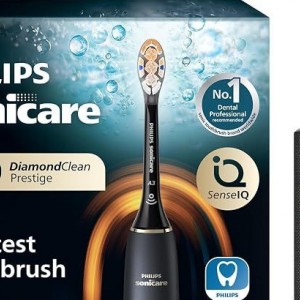
Royal Philips (NYSE: PHG, AEX: PHIA) announced that the Philips Sonicare Next-Generation DiamondClean 9900 Prestige, its most advanced and intelligent toothbrush to date, is now av
Key transaction by Heartland Dental and its supported practices expands opportunities for supported doctors, teams, and practices while strengthening Heartland Dental’s supported f
News 14 October 2026
Henry Schein Cares Celebrates 25 Years of Corporate Citizenship
Henry Schein Cares, Henry Schein, Inc.’s global corporate citizenship program, is celebrating a quarter century of bringing together Team Schein Members, customers, supplier partne
Editorials 14 October 2026
Scholarship at the CU Anschutz School of Dental Medicine reflects the collective contributions of our faculty, staff, residents and students.
Oral Hygiene & Prevention 14 October 2026
Propolis-containing formulations in caries prevention - a systematic review and meta-analysis.
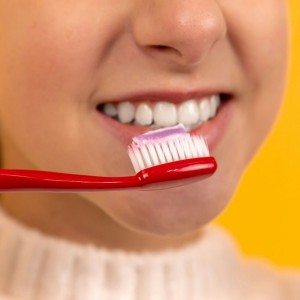
This peer-reviewed oral hygiene & prevention article summarizes clinical evidence from Clinical oral investigations (2026). It focuses on findings that may help dental professionals evaluate...


Copyright © 2026 - All Rights Reserved
ISSN 2767-1178