


Evaluation of Two Predictors of Child Disruptive Behavior During Restorative Dental Treatment

Purpose
The purpose of this study was to evaluate the effectiveness of 2 behavior rating scales (1 describing child behavior and the other describing parent behavior) in predicting child behavior during dental treatment.
Methods
Participants consisted of 52 children, ages 3 to 12 years, and their parents. Parents completed the Eyberg Child Behavior Inventory and the Parent-Child Relationship Inventory while children received restorative dental treatment. Disruptive behavior was observed and coded. Dentists also provided subjective Frankl ratings of child behavior.
Results
Correlational analyses confirmed that age was the single best and only independent predictor of disruptive behavior in children during a restorative dental visit. However, a backward multiple regression demonstrated that the Support Scale and Limit Setting Scale of the Parent-Child Relationship Inventory were significant predictors of child disruptive behavior, but only when both scales were in the regression analysis. The Frankl ratings also significantly predicted observed disruptive behavior, supporting the construct validity of both the objective and subjective measures of problem behavior.
Conclusions
Child age and parent reports of the parent-child relationship predicted child disruptiveness in the dental clinic, while parent reports of child behavior alone did not.
Authors: Allen, Keith D.; Hutfless, Susie; Larzelere, Robert
Source: https://www.ingentaconnect.com/
 Related articles
Oral surgery 10 March 2026

Background Periapical surgery is a critical intervention in the management of persistent periapical pathologies when conventional endodontic treatments fail.
Restorative dentistry 12 September 2025
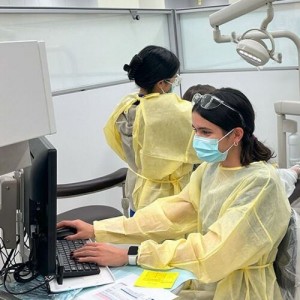
Traumatic tooth injuries involve function and aesthetics and cause damage that range from minimal enamel loss to complex fractures involving the pulp tissue and even loss of the tooth crown.
Endodontics 18 August 2025
Factors influencing the long-term results of endodontic treatment: a review of the literature

The purpose of this review of the literature is to examine the factors and their influence on the outcome of endodontic treatments, and also to attempt to have an authors’ consensus concerning the...
Endodontics 12 February 2025
Evaluation of the Role of Probiotics in Endodontic Treatment

The principal goal of endodontics is the prevention of periapical infection. Acute and chronic apical periodontitis occur due to the persistence of pathogenic microorganisms such as Enterococcus...
Oral Hygiene & Prevention 20 December 2024
Oral hygiene evaluation for effective oral care in preventing pneumonia in dentate elderly

The purpose of this study was to establish criteria for the visual evaluation of oral hygiene by analyzing the relationship between status of oral hygiene and number of oral bacteria in saliva for...
Read more
Products 20 October 2026

News 20 October 2026

In recognition of National Dental Hygiene Month, Delta Dental highlights key findings from its 2026 State of America’s Oral Health and Wellness Report , a nationwide analysis of co
News 20 October 2026
Abra Health Group has launched The Dental Bank, a new community impact initiative designed to make essential oral health resources more accessible to individuals and families throu
Editorials 20 October 2026
Woman’s skull likely proof of ancient nose amputation, says College of Dentistry professor

Qian Wang, professor in biomedical sciences at Texas A&M College of Dentistry in Dallas, identified what he and other researchers believe is likely one of the first examples of an
Endodontics 20 October 2026
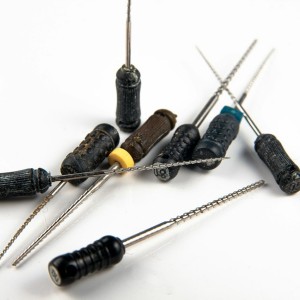
This peer-reviewed endodontics article summarizes clinical evidence from Clinical oral investigations (2026). It focuses on findings that may help dental professionals evaluate treatment decisions,...



Copyright © 2026 - All Rights Reserved
ISSN 2767-1178