


NC Association of Free and Charitable Clinics expects surge in patients with Medicaid benefits at risk

Free and charitable clinics in North Carolina that provide low-cost and no-cost health care to the uninsured are expecting an influx of new patients, as more than 300,000 people face losing their Medicaid coverage due to changes in the federal insurance program.
Since March 2020, as part of the response to the COVID-19 pandemic, states had been required to maintain enrollment of nearly all Medicaid beneficiaries and their level of coverage. That requirement has ended, triggering a review to determine if Medicaid recipients remain eligible to receive benefits.
In North Carolina, 35,000 Medicaid recipients lost their benefits in June because of the so-called “unwinding” of pandemic rules, according to numbers from the state Department of Health and Human Services. DHHS initially estimated 300,000 North Carolinians could see their benefits terminated or reduced, but experts cited in media reports now predict the number could be much higher.
Some of those who have lost their Medicaid coverage are already turning to the 70 member clinics of the North Carolina Association of Free and Charitable Clinics (NCAFCC), according to April Cook, CEO of the association.
“We want anyone who loses their Medicaid coverage and has income between 139% and 250% of the federal poverty level to know there is a free and charitable clinic near them,” Cook said in a news release. “Our mission is that all North Carolinians have access to high-quality health care regardless of ability to pay.”
Even after the anticipated expansion of Medicaid in North Carolina, which was approved by state lawmakers earlier this year, as many as 700,000 people who are currently uninsured are expected to remain without coverage.
Cook said that anyone without health insurance, including Medicaid, should visit the organization’s website to find a clinic close to home. Most clinics serve community residents who have no health insurance and household incomes at or below 250% of the federal poverty level.
NCAFCC’s 70 member clinics serve more than 80,000 people in 87 of North Carolina’s 100 counties, providing a range of services including primary, specialty and dental care, behavioral health services, pharmacy, vision care, lab tests and hospital referrals.
 Related articles
News 07 August 2026
National trauma data show Medicaid coverage rose from 16% to 24% after ACA implementation, while self-pay cases declined, suggesting broader insurance access for patients needing u
Products 31 October 2024
DentaQuest Selected to Administer Dental Benefits for California’s Medicaid DMC Program

DentaQuest, part of Sun Life U.S., announced it was recently awarded dental managed care (DMC) contracts by the California Department of Health Care Services (DHCS) through its subsidiary, California...
News 06 September 2023
DentaQuest donates $50K to Hurricane Idalia relief efforts in Florida

The contributions include $25,000 to the Florida Disaster Fund, which assists communities as they respond to and recover during times of disaster, along with $5,000 each to five local organizations...
News 14 June 2023
WelbeHealth continues LA expansion, opens PACE Centers in Rosemead, North Hollywood

The new locations will increase access to care in underserved communities where thousands of lower-income older adults qualify for health care through the Program of All-Inclusive Care for the...
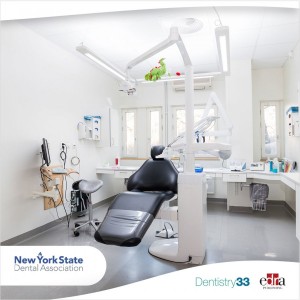
From the New York State Dental Association
A federal class-action lawsuit brought against the New York State Department of Health (NYSDOH) on behalf of Medicaid recipients in New York who were denied coverage for medically necessary dental...
Read more
Products 16 October 2026
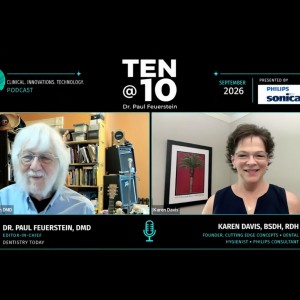
Karen Davis on Philips Sonicare DiamondClean 9900 Prestige & Smarter Brushing
News 16 October 2026
Align Technology to Report Q3 2026 Financial Results October 28
(Nasdaq: ALGN), a leading global medical device company that designs, manufactures, and sells the Invisalign® System of clear aligners, iTero™ intraoral scanners, and exocad™ CAD/C
News 16 October 2026
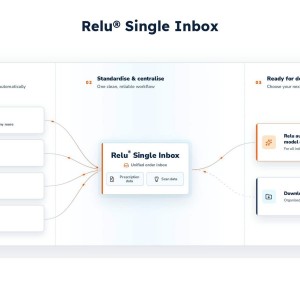
Fewer people on intake, faster turnaround, and no lost cases: Relu’s new automation captures and centralizes every scan and Rx from every source within a minute of arrival
Editorials 16 October 2026

Achievement and service take center stage as the University of Colorado Anschutz School of Dental Medicine honors the Doctor of Dental Surgery (DDS) Class of 2026.
Implantology 16 October 2026
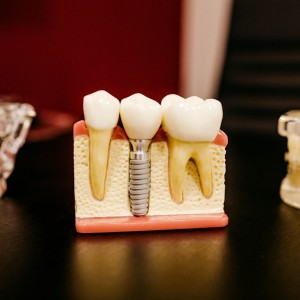
This peer-reviewed implantology article summarizes clinical evidence from Clinical oral implants research (2026). It focuses on findings that may help dental professionals evaluate treatment...



Copyright © 2026 - All Rights Reserved
ISSN 2767-1178