


Clinical performance of the ethanol-wet bonding technique with different adhesive systems in noncarious cervical lesion restorations: a 6-year randomized clinical trial.
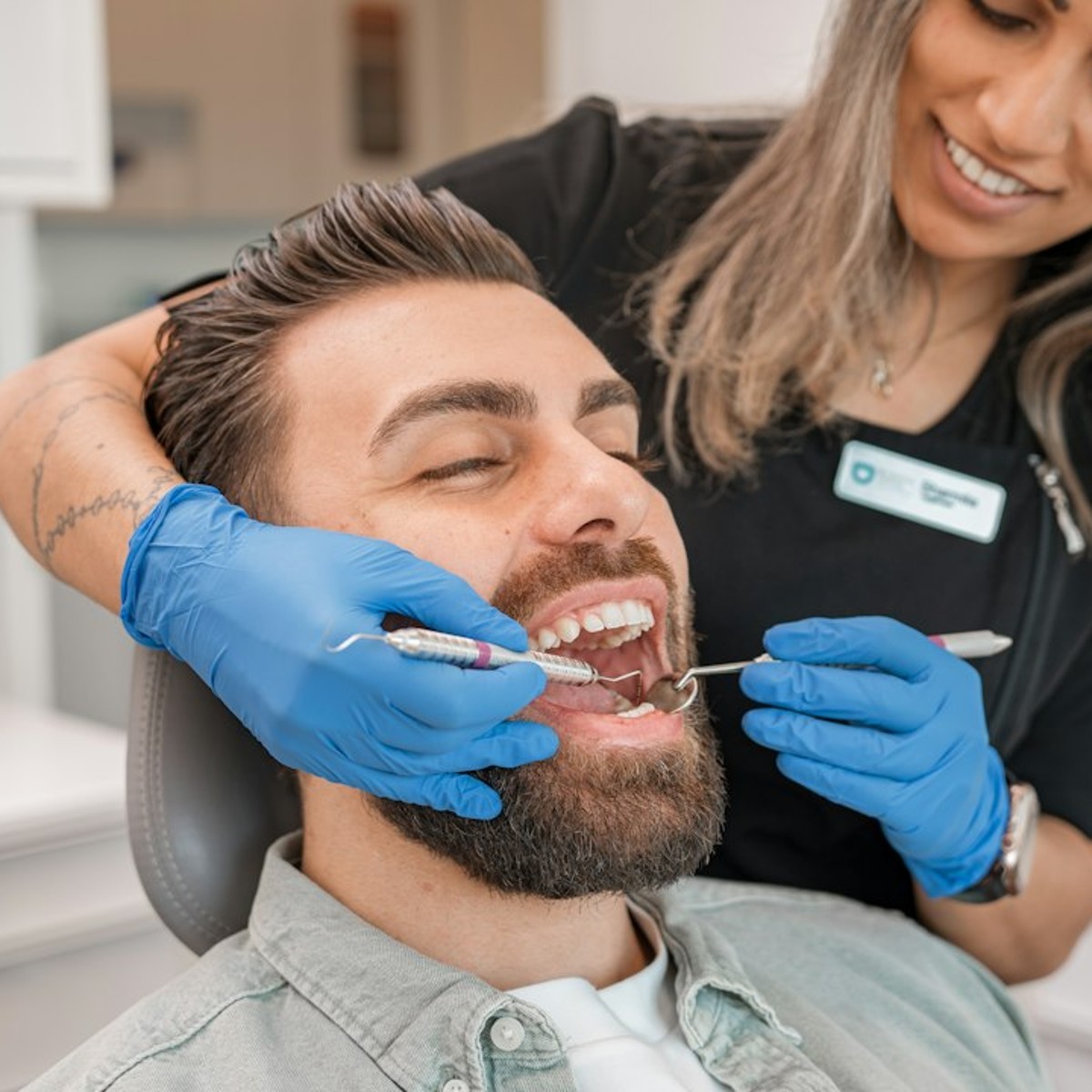
This peer-reviewed restorative dentistry article summarizes clinical evidence from Clinical oral investigations (2026). It focuses on findings that may help dental professionals evaluate treatment decisions, patient outcomes, or clinical protocols.
Abstract
OBJECTIVES: This randomized clinical trial evaluated the six-year clinical performance of the ethanol-wet bonding technique (EWBT) combined with different adhesive protocols in non-carious cervical lesions (NCCLs). The research question was whether EWBT improves long-term restoration retention compared with conventional water-wet bonding.
MATERIAL AND METHODS: Patients presenting at least one NCCL, regardless of lesion etiology (abrasion, erosion, abfraction, or mixed), were included. A total of 148 NCCLs were randomized at the restoration level into four groups: [NE] water-wet bonding with a three-step etch-and-rinse adhesive (Adper Scotchbond Multi-Purpose, 3M ESPE); [EMP] EWBT + Adper Scotchbond Multi-Purpose (3M ESPE); [EB] EWBT + hydrophobic bonding resin (Adper Scotchbond Multi-Purpose Bond, 3M ESPE); and [EU] EWBT + universal adhesive (Single Bond Universal, 3M ESPE). EWBT consisted of applying 100% ethanol actively for 60 s to dentin prior to adhesive application. All restorations were placed using a nanohybrid composite resin (Filtek Z350 XT, 3M ESPE). Clinical evaluations were performed at baseline, 6, 18 months and after six years using modified USPHS criteria. The unit of analysis was the restoration. Intergroup comparisons at each time point were performed using Fisher's exact test, and survival analysis was conducted using Kaplan-Meier estimates and log-rank tests (α = 0.05).
RESULTS: After six years, 42 patients (108 restorations) were clinically evaluated (72.9% recall), while all 148 restorations were included in the intention-to-treat analysis. Survival rates were 88.9% (NE), 81.1% (EU), 77.8% (EMP), and 48.7% (EB). The EB group showed significantly lower survival than all other groups (log-rank, p = 0.008). No significant differences were observed among the hydrophilic protocols (p > 0.05).
CONCLUSIONS: The effectiveness of EWBT is influenced by the hydrophilicity of the adhesive system. Hydrophilic adhesives showed stable long-term performance regardless of ethanol pretreatment, whereas the use of EWBT with a purely hydrophobic bonding resin resulted in significantly reduced retention.
CLINICAL RELEVANCE: EWBT does not improve longevity when used with hydrophilic adhesives but may compromise performance when associated with simplified hydrophobic bonding strategies.
Key takeaway
Key takeaway: Because the evidence comes from a clinical trial design, the findings may be especially useful when comparing treatment approaches in daily practice.
Introduction from full text
Postoperative hypersensitivity (POH) can be defined as a pain associated with mastication or with sensitivity to thermal and sweet stimuli that occurs in a tooth 1 week or more after restoration.[ 1 ] POH is a common problem, especially when composite materials are used.[ 2 ] Although POH is multifactorial in nature, gap formation between the restoration and tooth structure is the main reason for its occurrence. This gap is commonly the result of polymerization shrinkage of composite materials, which can cause the movement of fluid and chemical substances down to dentin tubules, resulting in hypersensitivity. Ultimately, these gaps can also lead to microleakage, induce recurrent caries, degradation of the resin-dentin bond; reducing the bond strength over time.[ 1 ]
Water Wet Bonding Technique (WWBT) was introduced by Kanca et al .[ 2 ] to overcome the drawbacks of dry bonding technique, which may result in incomplete resin infiltration into demineralized, over-dried dentin when etch-and-rinse adhesive systems were applied.[ 3 ] However, recent studies concluded that adhesive resins cannot completely replace the water from interfibrillar spaces,[ 4 5 6 ] and the remnant water may plasticize adhesive resins or hydrolyze the exposed collagen fibrils, which may affect the long-term survival of resin-dentin interface.[ 7 8 ]
To address this issue, some researchers described the Ethanol Wet Bonding Technique (EWBT) where water is replaced by ethanol, a polar solvent. Ethanol can chemically dehydrate the demineralized collagen matrix and expand the interfibrillar spaces through shrinkage of collagen fibrils.[ 9 10 ] This results in improvement of resin penetration in exposed collagen fibrils and dentinal tubules. Furthermore, replacement of water with ethanol leads to less hydrophilicity of the collagen matrix, and thus, more hydrophobic adhesive can be used in ethanol saturated dentin which may improve the bond durability.[ 9 11 12 ] Two methods have been suggested for presenting ethanol to the matrix network. In the first method, increasing concentrations of ethanol are used for replacing water. Considering the fact that using increasing concentrations of ethanol in clinical situations is impractical,[ 7 ] another method known as “simplified ethanol dehydration” has been suggested. In this technique, absolute ethanol (100%) was applied for 1–3 steps.[ 13 ] It should be considered that the application of EWBT has no adverse effect on human pulp. Scheffel et al .[ 14 ] demonstrated that the response of human pulp to EWBT is the same as WWBT and only mild inflammation was observed.
In addition to the loss of bond durability over the time, exposed collagen at the base of hybrid layer called “hybridoid layer” can also result in hypersensitivity.[ 5 ] Some studies concluded this “hybridoid layer” may increase postoperative sensitivity in etch-and-rinse adhesive in comparison with self-etch ones. Because in self-etch adhesives, simultaneous demineralization and resin infiltration are observed and hybridoid layer may not form.[ 15 16 ] Improvement of resin infiltration through EWBT may reduce the POH of composite restorations. Accordingly, the aim of this study was to evaluate the effect of Ethanol-wet bonding technique on POH of Class II composite restorations. The null hypothesis was that the application of Ethanol-wet bonding technique, either with hydrophobic or hydrophilic adhesives had no effect on the POH of Class II composite restorations.
Peer-reviewed source
Luana Dos Santos Souza, Maria Fernanda Monnerat, Maurício Yugo Souza, Marcella Batista Rocha, Taciana Marco Ferraz Caneppele, Eduardo Bresciani
Clinical oral investigations. 2026
DOI: 10.4103/1735-3327.330878
PMID: 42234047
PubMed: https://pubmed.ncbi.nlm.nih.gov/42234047/
Image: D Dental Office (Unsplash)
 Tag
Related articles
Editorials 27 September 2026
Dentistry33 survey highlights replacement care, deep caries and evolving restorative workflows
Reader survey finds direct composites remain dominant, secondary caries is the leading reason for restoration replacement, and clinicians want more training in pulp preservation
Reader survey finds direct composites remain dominant, secondary caries is the leading reason for restoration replacement, and clinicians want more training in pulp preservation
Restorative dentistry 17 April 2026
Patient Perceptions of New Robotic Technologies in Clinical Restorative Dentistry
Patient perception research has failed to focus on burgeoning technology within the dental field.
Prosthodontics 16 April 2026
The use of orthodontics before fixed prosthodontics in restorative dentistry
For a variety of reasons, orthodontic intervention is often overlooked as a viable modality to correct occlusal, axial, rotational, and space discrepancies before undertaking fixed prosthetic...
Digital Dentistry 16 February 2026
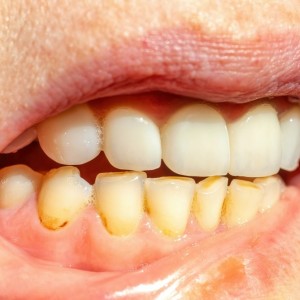
An original procedure for the ovoid pontic technique in ortho-restorative cases

In the multidisciplinary treatments, especially in case of missing teeth in aesthetic area, the compliance of patient during retention time post orthodontic therapy is evidently very high, even among...
Read more
Editorials 13 November 2026

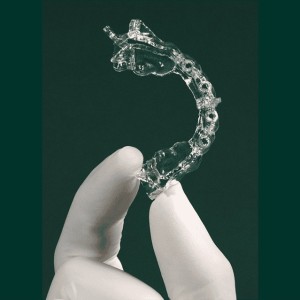
New system is designed to help practices deliver predictable, aesthetic and conservative composite restorations .
News 13 November 2026
The American Dental Association (ADA) recognized Elizabeth “Betsy” Shapiro, DDS, JD, as the recipient of the ADA Distinguished Service Award at the ADA 2026 Scientific Session in I
News 13 November 2026
New Poll Shows Resounding Bipartisan Support for Dental Coverage
Nine in 10 Americans support better oral health access for veterans and Medicare recipients.
Editorials 12 November 2026
Maynard K. Hine Scholarship and Daniel M. Laskin Professional Ethics Lectures

Each year, the Indiana Section of the American College of Dentists teams up with Indiana University School of Dentistry's Daniel Laskin Professional Ethics Lectureship Series to br


Copyright © 2026 - All Rights Reserved
ISSN 2767-1178