


Immediate or delayed dentin sealing with or without flowable resin reinforcement
Co-authors: A. Comba, F. Florenzano
Lorenzo Breschi
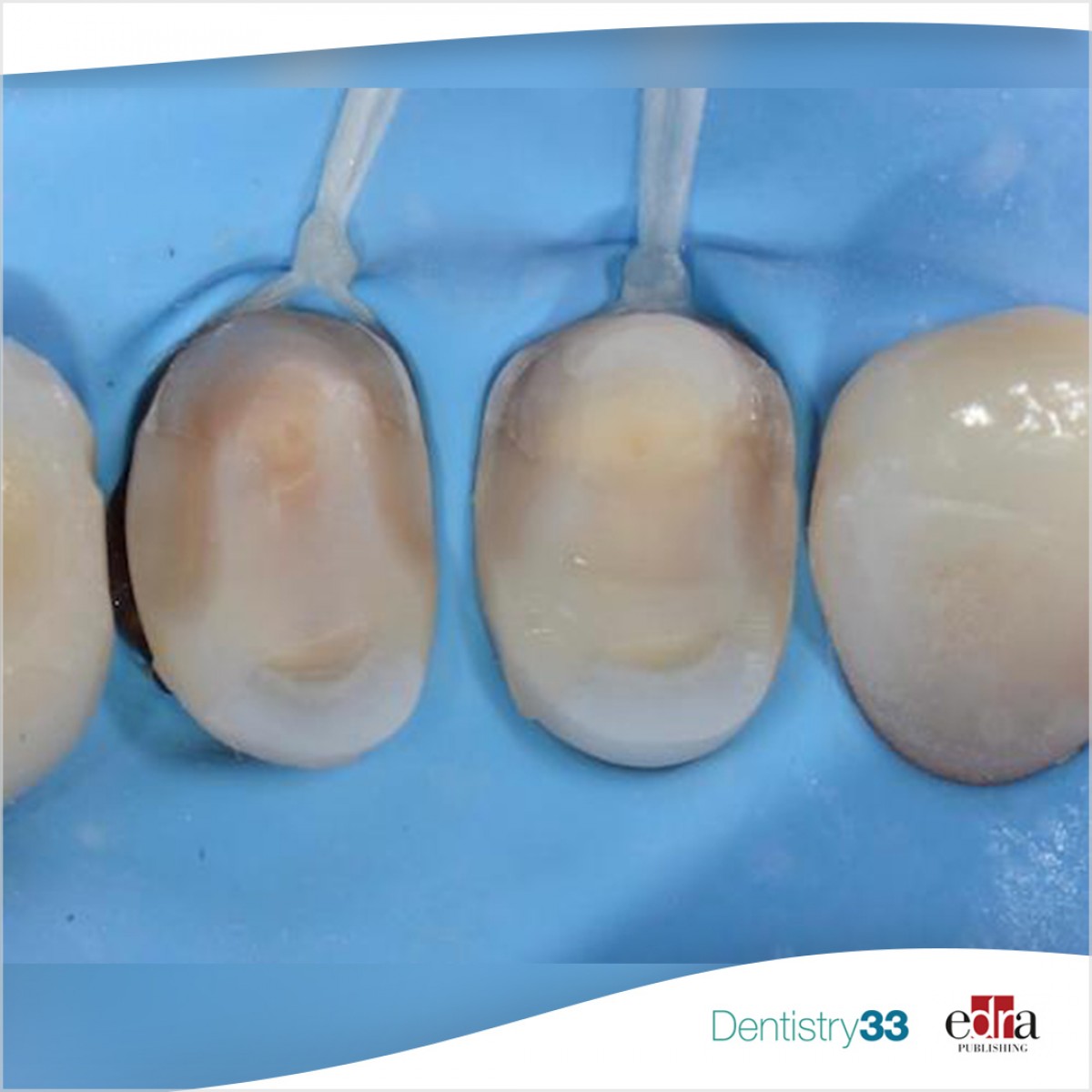
IDS (immediate dentin sealing) consists of applying a dentin bonding agent (DBA) immediately after dentin preparation, to avoid contamination with oral fluids and impression or provisional materials. In the last decade, it has been demonstrated that there are plenty of benefits connected to this technique and among them, decreasing in postoperative sensitivity and increasing in bond strength are of great importance. However, the original IDS technique was performed with a highly filled adhesive system, such as Optibond FL (Kerr), while today lots of clinicians feel more confident by using self-etch DBAs . Therefore, to increase the mechanical performance of self-etch adhesive De Carvalho et al. considered to add a layer of flowable resin composite to protect and strengthen the hybridized dentin, and created the so called “reinforced IDS” approach.
The authors conducted and in vitro study aimed to evaluate the microtensile bond strength of unfilled/lightly filled DBAs compared to the traditional IDS technique with filled Optibond FL and no IDS as well as the influence of reinforcement with a flowable resin coating.
Materials and methods:
To conduct the study the authors selected seventy-five extracted human molars free of caries and divided them in fifteen groups (n=5) according to the combination of the five DBAs and three application modes: delayed dentin sealing (DDS) , immediate dentin sealing (IDS) and immediate dentin sealing with flowable resin coating. All the samples were tested according the microtensile bond strength method.
Results:
From the data obtained by the test, de Carvalho et al. found out that IDS improve bond strength of all tested adhesives. In addition, the researchers discovered that the use of a flowable resin coating reinforcement after immediate dentin sealing increased the microtensile bond strength of all unfilled/lightly filled adhesives (from 233% of increase for ScotchBond MP, up to 560% for Clearfil SE Bond) and maintained the performance of the 3-step gold standard adhesive. The authors claimed that Optibond FL used with (52.51 MPa) or without (54.75 MPa) additional flowable resin coating and Clearfil SE Bond (45.64 MPa) used with flowable resin coating provided the best results.
Conclusions:
De Carvalho and his group affirmed that IDS improved the microtensile bond strength (μTBS) to dentin when a filled DBA was used and when using SBMP; IDS did not increase the μTBS when unfilled/lightly filled DBAs were used except when using SBMP; Unfilled/lightly filled DBAs should be reinforced with a flowable resin coating to improve the μTBS to dentin for IDS .
For more information: Significance of immediate dentin sealing and flowable resin coating reinforcement for unfilled/lightly filled adhesive systems.
 Related articles
News 20 August 2026
ORDO, a leading oral care innovator, announced today that its Sonic Kids Rechargeable Toothbrush – Squishmallows Patty was named a winner in Good Housekeeping’s 2026 Parenting Awar
Products 30 July 2026
Davids Health Sciences Launches Fluoride-Free Unflavored Nano-Hydroxyapatite Toothpaste
Inspired by a “less is more” approach to oral care, company introduces a fluoride-free formula designed for those seeking a simpler, more intentional brushing experience.
Products 13 July 2026
Davids Health Sciences Launches Fluoride-Free Unflavored Nano-Hydroxyapatite Toothpaste
Inspired by a “less is more” approach to oral care, company introduces a fluoride-free formula designed for those seeking a simpler, more intentional brushing experience.
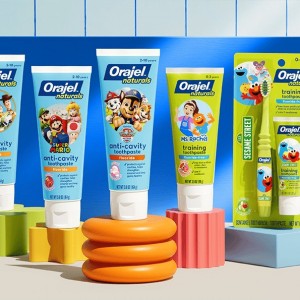
Orajel is evolving its kids’ oral care line with the introduction of Orajel Naturals, a rebrand of Orajel Kids designed to align with growing parent demand for safe, naturally posi
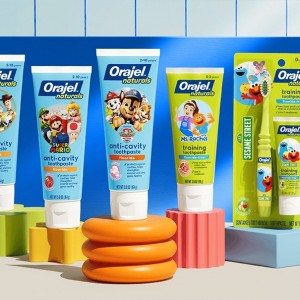
Orajel is evolving its kids’ oral care line with the introduction of Orajel Naturals, a rebrand of Orajel Kids designed to align with growing parent demand for safe, naturally posi
Read more
Products 13 October 2026
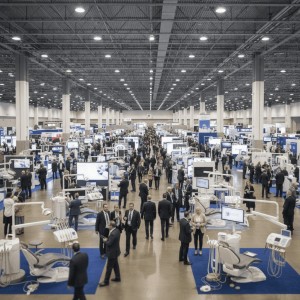

New Resources Help Dental Exhibitors Evaluate Their Investment and Explore the Personify ShowFlow™ Trade Show Success System
News 13 October 2026

New patient apps extend The Aspen Group’s mission to remove barriers to care, giving patients greater visibility, convenience, and control from booking through treatment
Editorials 13 October 2026

The forerunner of what’s now Texas A&M College of Dentistry opened 120 years ago in Dallas with the mission of educating dentists to provide quality care to patients in North Texas
Oral pathology 13 October 2026
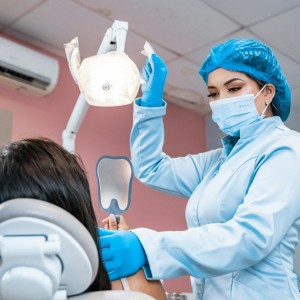
This peer-reviewed oral pathology article summarizes clinical evidence from Oral oncology (2026). It focuses on findings that may help dental professionals evaluate treatment decisions, patient...



Copyright © 2026 - All Rights Reserved
ISSN 2767-1178