


Oral hygiene evaluation for effective oral care in preventing pneumonia in dentate elderly

The purpose of this study was to establish criteria for the visual evaluation of oral hygiene by analyzing the relationship between status of oral hygiene and number of oral bacteria in saliva for use in predicting the development of pneumonia.
A total of 145 Japanese people of advanced age living in nursing homes were enrolled in the study. We evaluated the Dental Plaque Index (DPI) and Tongue Plaque Index (TPI) as simple measures of status of oral hygiene. We also determined the number of viable microorganisms in the saliva of each subject.
The relationship between the status of oral hygiene and episodes of pneumonia was investigated over a period of one year. Dentate patients with poor oral hygiene as indicated by their DPI and TPI scores demonstrated significantly higher salivary bacterial counts than those with a good score for oral hygiene (p < 0.01 and p < 0.05, respectively). Both the number of febrile days was significantly higher (p = 0.0012), and number of patients developing pneumonia larger (p < 0.01) in dentate patients with DPI-based poor scores than those with DPI-based good scores.
These results demonstrate a significant positive correlation between salivary bacteria and visual evaluation of oral hygiene in dentate patients according to number of febrile days and development of pneumonia.
Introduction
The mortality rate of aspiration pneumonia in older people under nursing care is very high (Marrie and Blanchard, 1997, Mylotte et al., 2003). A wide variety of approaches have been adopted to prevent this disease, including improving the swallowing reflex by medication, dietary care, and oral care (Loeb et al., 2003). Aspiration of oral bacteria through impairment of the swallowing and cough reflexes resulting from cerebrovascular disorder is a common cause of aspiration pneumonia (Bartlett et al., 1974, Levison, 1994). Many studies have suggested that oral endogenous bacterial species may be pathogens involved in pneumonia (Pierce and Sanford, 1974, Bentley, 1984, Scannapieco et al., 1992). Some studies have reported a close relationship between systematic diseases and anaerobic bacteria, including periodontopathic bacteria (Scannapieco and Myolette, 1996, Scannapieco et al., 1998). Kikuchi et al. (1994) demonstrated that 70% of older patients with a history of pneumonia developed apparent aspiration during sleep. Shinzato and Saito (1995) also reported that oral bacteria, including Prevotella intermedia and Streptococcus constellatus, were detected in aspiration pneumonic lesions. Respiratory pathogens from samples isolated from the respiratory tracts of patients with hospital-acquired pneumonia genetically matched those recovered from the corresponding dental plaque (El-Solh et al., 2004). These studies suggest that aspiration of oral bacteria from dental plaque may result in the development of aspiration pneumonia.
The medium, which carries oral bacteria from dental plaque to the lower respiratory tract, is saliva, and the development of pneumonia depends on the quantity of bacteria aspirated into the lungs from this saliva (Inglis et al., 1993). It has also been reported that the amount of oral pulmonary pathogenic bacteria in elderly people under care increased with poor oral hygiene, while it was reduced by professional oral care (Abe et al., 2001). It is difficult to control these endogenous microorganisms, especially in older people, because they are released continuously from the biofilm of the oral cavity. To reduce the amount of endogenous microorganisms, mechanical removal of the biofilm is essential. A recent study demonstrated that providing older people under nursing care with professional oral care reduced the frequency of unexplained fevers (Yoneyama et al., 1996, Adachi et al., 2002) and lowered the mortality rate due to aspiration pneumonia (Meguro et al., 1992, Yoneyama et al., 1999, Adachi et al., 2002).
To achieve sound oral care aimed at the prevention of aspiration pneumonia, it is necessary to accurately evaluate the level of oral hygiene in older people. However, no simple index is available for evaluating status of oral hygiene, i.e., the number of microorganisms in saliva. Several oral evaluation methods have been previously introduced, such as one for patients with oral cancer (Passos and Brand, 1966, Beck, 1979, Eliers et al., 1988). However, problems with reliability and validation have been pointed out for these methods (Susan and Elizabeth, 1993). Available indices for visually evaluating plaque accumulation on tooth surfaces include the Oral Hygiene Index (Greene and Vermillion, 1960), the Simplified Oral Hygiene Index (Greene and Vermillion, 1964), the Silness–Löe Index (Silness and Löe, 1964), the Quigely Hein Index (modified) (Turesky et al., 1970), and the Plaque Control Record (O’Leary et al., 1972). However, these indices are used to evaluate risk of caries and periodontitis, and are not suitable for the quantification of microorganisms in saliva. The absence of a risk evaluation system for oral conditions in pneumonia makes it difficult to provide adequate oral care aimed at preventing pneumonia in patients in hospitals and nursing facilities. Oral care is currently performed according to the procedures developed independently in each institution (Grap et al., 2003). An evaluation system is also required for determining whether conventional methods work well in preventing pneumonia. Therefore, a simple index of oral health for evaluating risk of developing aspiration pneumonia would be useful.
One objective of this study was to demonstrate the relationship between the visual oral hygienic status of subjects based upon plaque accumulation and the number of oral bacteria in saliva, which is a risk factor for aspiration pneumonia. In addition, we sought to establish criteria for the evaluation of oral hygiene, as the establishment of such criteria would allow health professionals to provide sound oral care aimed at reducing the rate of aspiration pneumonia.
Authors: Shu Abe, Kazuyuki Ishihara, Mieko Adachi, Katsuji Okuda
Source: https://www.sciencedirect.com/
 Related articles
Oral Hygiene & Prevention 23 September 2026
Propolis-containing formulations in caries prevention - a systematic review and meta-analysis.
This peer-reviewed oral hygiene & prevention article summarizes clinical evidence from Clinical oral investigations (2026). It focuses on findings that may help dental professionals evaluate...
Oral Hygiene & Prevention 09 September 2026
Propolis-containing formulations in caries prevention - a systematic review and meta-analysis.
This peer-reviewed oral hygiene & prevention article summarizes clinical evidence from Clinical oral investigations (2026). It focuses on findings that may help dental professionals evaluate...
Oral Hygiene & Prevention 26 August 2026
Propolis-containing formulations in caries prevention - a systematic review and meta-analysis.
This peer-reviewed oral hygiene & prevention article summarizes clinical evidence from Clinical oral investigations (2026). It focuses on findings that may help dental professionals evaluate...
Oral Hygiene & Prevention 22 July 2026
This peer-reviewed oral hygiene & prevention article summarizes clinical evidence from Journal of dentistry (2026). It focuses on findings that may help dental professionals evaluate treatment...
Oral Hygiene & Prevention 01 July 2026
This peer-reviewed oral hygiene & prevention article summarizes clinical evidence from BMC oral health (2026). It focuses on findings that may help dental professionals evaluate treatment...
Read more
Products 25 September 2026
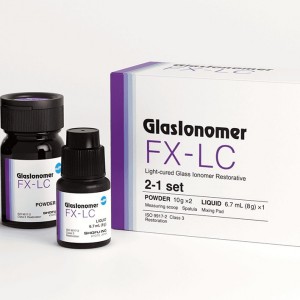
Shofu Dental’s line of dental restorative materials now includes FX-LC, a next-generation, light-cure, resin-reinforced glass ionomer formulated to deliver high strength, efficient 4
News 25 September 2026

The scholarships are part of an ongoing workforce solutions strategy to help address the need for skilled dental hygienists
News 25 September 2026

Michael Riccobene celebrates teamwork, community and more than 25 years of growth as one of sports’ most iconic trophies makes a special stop in Garner.
Editorials 25 September 2026

Oral surgery 25 September 2026
This peer-reviewed oral surgery article summarizes clinical evidence from International journal of oral and maxillofacial surgery (2026). It focuses on findings that may help dental professionals...



Copyright © 2026 - All Rights Reserved
ISSN 2767-1178