


Clinical case reports of injectable tissue-engineered bone for alveolar augmentation with simultaneous implant placement

This clinical study was undertaken to evaluate the use of tissue-engineered bone, mesenchymal stem cells, platelet-rich plasma, and beta-tricalcium phosphate as grafting materials for maxillary sinus floor augmentation or onlay plasty with simultaneous implant placement in six patients with 3- to 5-mm alveolar crestal bone height.
All 20 implants were clinically stable at second-stage surgery and 12 months postloading. A mean increase in mineralized tissue height of 7.3 ± 4.6 mm was evident when comparing the pre- and postsurgical radiographs. Injectable tissue-engineered bone provided stable and predictable results in terms of implant success.
Read the full article here.
Authors: Ueda, Minoru; Yamada, Yoichi; Ozawa, Ryotaro; Okazaki, Yasuhiro
Source: https://openurl.ebsco.com/
 Related articles

Bone regeneration is currently one of the most important and challenging tissue engineering approaches in regenerative medicine.
Endodontics 02 February 2026
Implantology 20 January 2026
Smoking as a risk factor for dental implants and implant-related surgery

Cigarette smoking is known to adversely affect wound healing, and thus may jeopardize the success of dental implantation and implant-related oral surgery.
Products 27 November 2025
Neocis Unveils Next-Generation AI-Powered Robotic System for Dental Implants

Neocis, the pioneer behind the first and only U.S. FDA-cleared robotic system for dental implant surgery, today announced the launch and FDA approval of its next-generation robotic platform: Yomi...
Read more
Products 20 October 2026

News 20 October 2026

In recognition of National Dental Hygiene Month, Delta Dental highlights key findings from its 2026 State of America’s Oral Health and Wellness Report , a nationwide analysis of co
News 20 October 2026

Abra Health Group has launched The Dental Bank, a new community impact initiative designed to make essential oral health resources more accessible to individuals and families throu
Editorials 20 October 2026
Woman’s skull likely proof of ancient nose amputation, says College of Dentistry professor
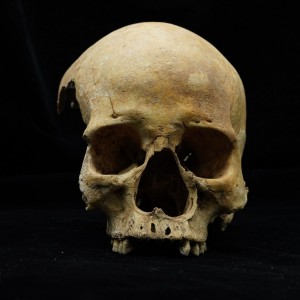
Qian Wang, professor in biomedical sciences at Texas A&M College of Dentistry in Dallas, identified what he and other researchers believe is likely one of the first examples of an
Endodontics 20 October 2026
This peer-reviewed endodontics article summarizes clinical evidence from Clinical oral investigations (2026). It focuses on findings that may help dental professionals evaluate treatment decisions,...



Copyright © 2026 - All Rights Reserved
ISSN 2767-1178