


Clinical studies in restorative dentistry: Design, conduct, analysis
Objective
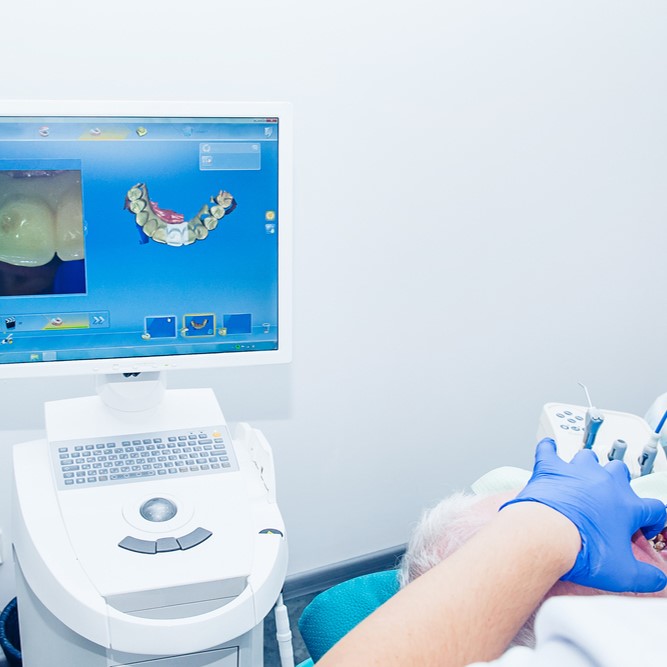
Clinical studies should be one main aspect underlying dentists’ decision-making towards dental materials. Study design, conduct, analysis and reporting impact on the usefulness of studies. We discuss problems with current studies and highlight areas where improvement might be possible.
Methods
Based on systematically and non-systematically collected data, we demonstrate where and why current studies in clinical dentistry deliver less-than-optimal results. Lending from general medicine, we suggest ways forward for clinical dental material science.
Results
Randomized controlled (efficacy) trials remain a major pillar in dental material science, as they reduce selection bias and, if well-designed and conducted, have high internal validity. Given their costs and limited external validity, alternatives like practice-based or pragmatic controlled trials or observational studies can complement the evidence-base. Prior to conduct, researchers should focus on study comparators and setting (answering questions with relevance to clinical dentistry), and pay attention to statistical power, considering the study aim (superiority or non-inferiority trial), the expected event rate, and attrition. Study outcomes should be chosen on the basis of a core outcome set or, if not available, involving patients and other stakeholders. Studies should be registered a priori, and reporting should adhere to standards. Possible clustering should be accounted for during statistical analysis.
Significance
Many clinical studies in dental material science are underpowered, and of limited validity and usefulness for daily decision-making. Dental researchers should mirror existing efforts in other medical fields in making clinical studies more valid and applicable, thus contributing to better dental care.
Authors: Falk Schwendicke, Niek Opdam
Source: https://www.sciencedirect.com/
 Related articles
Periodontology 07 January 2025

To analyse the level of evidence (LOE) of clinical studies in the field of periodontology, and to investigate whether LOE is a predictor of scientific impact and social impact.
Restorative dentistry 13 November 2024
Clinical studies in restorative dentistry: New directions and new demands
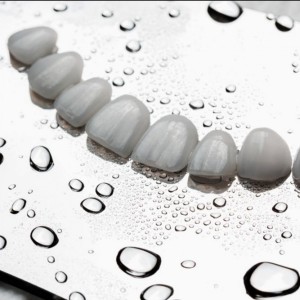
Clinical research of restorative materials is confounded by problems of study designs, length of trials, type of information collected, and costs for trials, despite increasing numbers and...
Editorials 27 September 2026
Dentistry33 survey highlights replacement care, deep caries and evolving restorative workflows
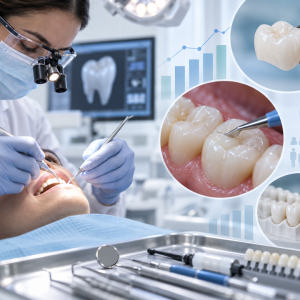
Reader survey finds direct composites remain dominant, secondary caries is the leading reason for restoration replacement, and clinicians want more training in pulp preservation
Reader survey finds direct composites remain dominant, secondary caries is the leading reason for restoration replacement, and clinicians want more training in pulp preservation
Restorative dentistry 17 April 2026
Patient Perceptions of New Robotic Technologies in Clinical Restorative Dentistry
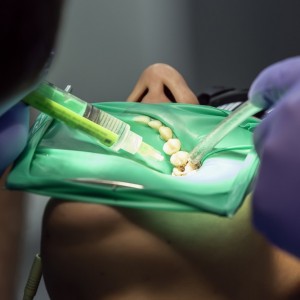
Patient perception research has failed to focus on burgeoning technology within the dental field.
Prosthodontics 16 April 2026
The use of orthodontics before fixed prosthodontics in restorative dentistry
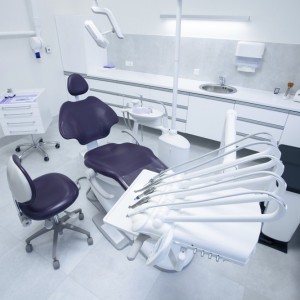
For a variety of reasons, orthodontic intervention is often overlooked as a viable modality to correct occlusal, axial, rotational, and space discrepancies before undertaking fixed prosthetic...
Read more
Products 14 October 2026
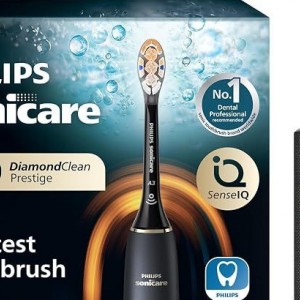
Royal Philips (NYSE: PHG, AEX: PHIA) announced that the Philips Sonicare Next-Generation DiamondClean 9900 Prestige, its most advanced and intelligent toothbrush to date, is now av

Key transaction by Heartland Dental and its supported practices expands opportunities for supported doctors, teams, and practices while strengthening Heartland Dental’s supported f
News 14 October 2026
Henry Schein Cares Celebrates 25 Years of Corporate Citizenship
Henry Schein Cares, Henry Schein, Inc.’s global corporate citizenship program, is celebrating a quarter century of bringing together Team Schein Members, customers, supplier partne
Editorials 14 October 2026
Scholarship at the CU Anschutz School of Dental Medicine reflects the collective contributions of our faculty, staff, residents and students.
Oral Hygiene & Prevention 14 October 2026
Propolis-containing formulations in caries prevention - a systematic review and meta-analysis.
This peer-reviewed oral hygiene & prevention article summarizes clinical evidence from Clinical oral investigations (2026). It focuses on findings that may help dental professionals evaluate...



Copyright © 2026 - All Rights Reserved
ISSN 2767-1178