


Ceramic laminate veneers: influence of preparation design and ceramic thickness on margin quality and fracture resistance of the restorations
Co-authors: A. Comba, F. Del Bianco
Lorenzo Breschi

Ceramic veneers are considered an excellent choice for anterior restorations, especially when high aesthetic demand is needed. The literature in the field reveals different annual failure rates for anterior veneers, ranging from 0 to 5% . Clinical trials often lack exact documentations of preparation designs and extents of dentin exposure
Doctor Blunck from University of Berlin decided to evaluate:
- the influence of (1) invasiveness of preparation designs,
- (2) the amount of dentin exposure during preparation,
- (3) the thickness of the veneer
- (4) the preexisting resin composite restorations on (a) margin quality and (b) facture resistance of ceramic veneers.
Material and Methods
To conduct the study the German research Group collected eighty human central incisors randomly assigned to 10 groups (n = 8) with five different preparation designs: non-prep (NP), minimally invasive (MI) = exclusively enamel-bonded, semi-invasive (SI) = 50% bonded in dentin, invasive (I) = 100% in dentin, and semi-invasive with two additional class III composite resin restorations (SI-C). IPS InLine veneers were, then, fabricated in two thicknesses (L1 = 0.2–0.5 mm; L2 = 0.5–1.2 mm). After adhesive luting (OptiBond FL, Variolink Veneer),light curing and polishing, specimens were st ored in distilled water at 37 °C for 21 days and thermocycled (2000 cycles between + 5 and + 55 °C), and mechanically loaded at the incisal edge with an angle of 45° for 2,000,000 cycles at 50 N and further 1,000,000 cycles at 100 N. The authors took Impressions initially, after thermocycling, and after every 250,000 mechanical cycles in order to evaluate cracks and margin quality under SEM. The veneers were evaluated with a light microscope (× 20) for cracks, chippings, partial, and catastrophic fractures.
Results
The result obtained bu the group of Dr. Blunck et.al showed found no significant differences in marginal quality at T0 between the tested groups (p = 0.14).
After three million cycles marginal integrity revealed medians for continuous margin of 82–95% without significant differences among groups, neither at the ceramic/composite (p = 0.943) nor at the tooth/composite interface (p = 0.571).
During visual inspection of the ceramic veneers Blunk et al noticed 22 cracks, 11 chippings, 4 partial and 4 catastrophic fractures in 38 out of 80 veneers, and group with more invasive preparations suffered more alterations when the veneers were thinner.
Conclusion
The authors of the present in vitro research concluded that after three million mechanical load cycles including one million at 100 N, all groups showed high amounts of good marginal integrity.
However, fracture risk for thin veneers with preparations characterized by a significant dentin exposure, suffer higher fracture risk compared with restoration luted on enamel or with thicker material luted to exposed dentin. Furthermore the authors concluded that pre-existing composite resin restorations had no adverse effect on the outcome.
For additional information: Ceramic laminate veneers: effect of preparation design and ceramic thickness on fracture resistance and marginal quality in vitro
 Tag
Tag
Related articles
Restorative dentistry 22 April 2020
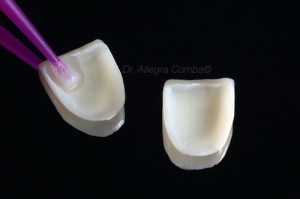
Co-authors: A. Comba, F. Florenzano
The increasing demand for beautiful and harmonious smiles has greatly increased the use of ceramic laminates. These esthetic restorations, that are claimed to...
Read more
Products 20 October 2026

News 20 October 2026

In recognition of National Dental Hygiene Month, Delta Dental highlights key findings from its 2026 State of America’s Oral Health and Wellness Report , a nationwide analysis of co
News 20 October 2026

Abra Health Group has launched The Dental Bank, a new community impact initiative designed to make essential oral health resources more accessible to individuals and families throu
Editorials 20 October 2026
Woman’s skull likely proof of ancient nose amputation, says College of Dentistry professor
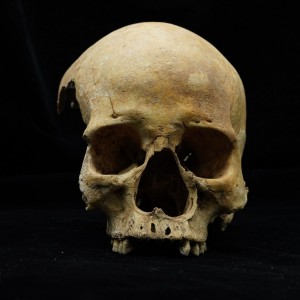
Qian Wang, professor in biomedical sciences at Texas A&M College of Dentistry in Dallas, identified what he and other researchers believe is likely one of the first examples of an
Endodontics 20 October 2026
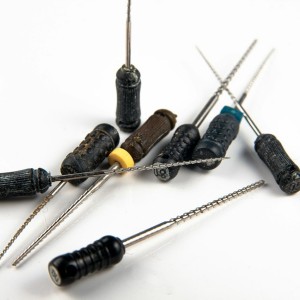
This peer-reviewed endodontics article summarizes clinical evidence from Clinical oral investigations (2026). It focuses on findings that may help dental professionals evaluate treatment decisions,...



Copyright © 2026 - All Rights Reserved
ISSN 2767-1178