


The importance of explaining dental treatments to patients
Massimo Gagliani

Professor Luca Pani, on the occasion of EDRA's 10th anniversary (congratulations!), made an enlightening speech, as often happens with him. He brought to the fore the amazing technologies available in the medical world and did not miss an opportunity to return to the theme of the so-called "Medicine of the Four Ps," i.e., Predictive, Preventive, Personalized, Participatory. They represent the cornerstones of a model of clinical medicine which offers concrete opportunities aimed at changing the healthcare paradigm. Among them, the participation of the individual becomes key to putting the other three aspects into practice for each patient.
The other day, a patient who was not satisfied with the work of a colleague came to me for a second opinion. According to him, all the teeth of the upper arch had been found in a "fixation," an ancient term to define a prosthetic product that included connected contiguous dental elements, without his consent. The job, however, seemed, and was, well done.
How a person does not participate in this type of situation is strange to me, unless he is treacherously put to sleep. But this episode, however, confirms once again the importance of communication in managing the doctor-patient relationship.
Incorrect communication — whether in terms of methods or contents, it makes no difference — compromises a work which, with regard to the previous items, had been conducted in a preventive, predictive and personally suitable manner.
Was unclear language used? Did the clinician believe the patient understood, without that conversation having taken place?
The fact remains that the patient turned to another colleague and that, fortunately, medical-legal aspects were found to be absent. Would spending a few more minutes to involve him in a choice that brought about a radical change in his life have made a difference?
It's a strange reflection these days where technology offers mountains of documents while the dentistry of our fathers only had drawings on white pieces of paper.
 Related articles
Endodontics 27 February 2023

The Oral Health Literacy and Awareness Act of 2023 instructs HRSA to develop an oral health literacy strategy for underserved communities and aims to stop the rise of oral disease and related...
News 19 December 2021
A five-year oral health literacy campaign has been approved: Oral Health Literacy and Awareness Act

The Oral Health Literacy and Awareness Act of 2021 passed the House of Representatives on Dec. 8.
The ADA and Organized Dentistry Coalition supported this legislation, authorizing the U.S. The Health Resources and Services Administration will develop and test evidence-based oral health literacy...
Periodontology 15 December 2025

In dental practice, the successful management of a patient with periodontitis and concurrent diabetes can be challenging.
News 15 May 2024
Enhanced Patient Communication: Call Box Launches Phone Skills Training for Dental Practices

In response to the growing need for enhanced communication skills in the dental industry, Call Box is pleased to announce the launch of Phone Skills Training. Call Box’s Phone Skills Training is a...
News 06 February 2024

Identity Dental Marketing places a high emphasis on client communication and results by leveraging the latest technology available.
Read more
Products 25 September 2026
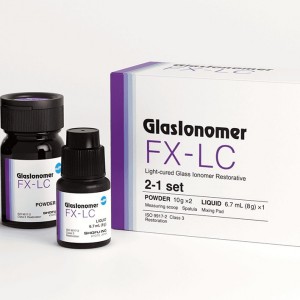
Shofu Dental’s line of dental restorative materials now includes FX-LC, a next-generation, light-cure, resin-reinforced glass ionomer formulated to deliver high strength, efficient 4
News 25 September 2026

The scholarships are part of an ongoing workforce solutions strategy to help address the need for skilled dental hygienists
News 25 September 2026

Michael Riccobene celebrates teamwork, community and more than 25 years of growth as one of sports’ most iconic trophies makes a special stop in Garner.
Editorials 25 September 2026

Oral surgery 25 September 2026
This peer-reviewed oral surgery article summarizes clinical evidence from International journal of oral and maxillofacial surgery (2026). It focuses on findings that may help dental professionals...



Copyright © 2026 - All Rights Reserved
ISSN 2767-1178