


IAMOT highlights study on amalgam fillings
Katherine E. Pfaff

The International Academy of Oral Medicine and Toxicology, or IAMOT, recently highlighted a study on the impact of daily activities for people with fillings that contain dental amalgam. Led by a research team from Shiraz University of Medical Sciences in Iran, the study found certain activities — including exposure to static magnetic fields generated by MRI and electromagnetic fields produced by Wi-Fi and mobile phones — are more likely to result in the release of mercury from amalgam dental fillings.
The study, “How Do Different Physical Stressors’ Affect the Mercury Release from Dental Amalgam Fillings and Microleakage? A Systematic Review,” was published in the Journal of Biomedical Physics and Engineering.
More than 120 million patients in the U.S. are estimated to have fillings with about 50% elemental mercury content.
“Considering the mountain of scientific evidence showing harm by the mercury released from amalgam dental fillings, it's therefore important for patients with dental amalgam fillings to either avoid future mercury fillings or have them safely removed by an IAOMT dentist certified in the Safe Mercury Amalgam Removal Technique,” said Dr. David Edwards, president of the international academy. “These findings have huge implications for both patient safety and public health,” he added.
This study adds to existing information on the detrimental impact of mercury, including demyelination, according to the IAOMT, a global network of dentists, health professionals and scientists who research the biocompatibility of dental products, including the risks of mercury fillings, fluoride, root canals and jawbone osteonecrosis.
 Read more
Products 13 October 2026
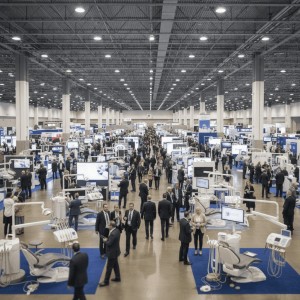

New Resources Help Dental Exhibitors Evaluate Their Investment and Explore the Personify ShowFlow™ Trade Show Success System
News 13 October 2026

New patient apps extend The Aspen Group’s mission to remove barriers to care, giving patients greater visibility, convenience, and control from booking through treatment
Editorials 13 October 2026

The forerunner of what’s now Texas A&M College of Dentistry opened 120 years ago in Dallas with the mission of educating dentists to provide quality care to patients in North Texas
Oral pathology 13 October 2026
This peer-reviewed oral pathology article summarizes clinical evidence from Oral oncology (2026). It focuses on findings that may help dental professionals evaluate treatment decisions, patient...


Copyright © 2026 - All Rights Reserved
ISSN 2767-1178