


Deep caries in the occlusal areas: what clinical attitude to have?
Massimo Gagliani

The study published on the Journal of Dentistry in May 2019 quantified and compared practice patterns of treatment for deep occlusal carious lesions among Japanese dentists, and tested the hypothesis that dentist characteristics are significantly associated with the decision to choose an indirect pulp capping (IPC), a form of selective carious tissue removal that involves leaving a thin layer of demineralized tissue over the pulp, that is then covered with a protective liner.
This cross-sectional study was conducted using a questionnaire survey of dentists affiliated with the Dental Practice-based Research Network Japan (n = 297). Dentists were asked to indicate what percentage of time they use three treatment options when treating patients with deep occlusal caries and possible mild pulpitis on a posterior tooth. Response options were
“1. Stop before removing all caries and perform an IPC”,
“2. Remove all caries and proceed with a direct pulp cap”,
“3. Remove all caries and proceed with endodontic-related procedures”.
Percentages of options 1–3 were compared by multiple comparison. Associations between dentist characteristics and a higher percentage of IPC provision (option 1) were analyzed via logistic regression. Results Responses were obtained from 206 dentists. Median percentages (interquartile ranges) of options 1, 2 and 3 were 30% (10–59%), 10% (0–30%), and 40% (19–80%), respectively.
The differences between option 3 and options 1 and 2 were significant (p < 0.001). In logistic regression analysis, a higher frequency of obtaining evidence from English-language scientific articles was significantly associated with a higher percentage of IPC, with an odds ratio of 2.28 (95%CI: 1.14–4.54).
CONCLUSIONS
Endodontic-related procedures remain the most frequent treatment option for deep occlusal caries. Frequent use of evidence-based information in English-language scientific articles was associated with Japanese dentists’ preference toward IPC. Clinical Significance Japanese dentists would most frequently choose endodontic-related procedures, followed by IPC and direct pulp capping for treatment of patients with deep occlusal caries with possible mild pulpitis on posterior teeth. Significant association was identified between use of evidence-based information in the English-language scientific literature and Japanese dentists’ preference for IPC.
For additional informations:
Dentists’ practice patterns of treatment for deep occlusal caries: Findings from a dental practice-based research network
 Related articles

Barsoum explains the purpose of the educational events and the role 3D digital workflows can play in dentistry.
Restorative dentistry 17 April 2026
Patient Perceptions of New Robotic Technologies in Clinical Restorative Dentistry
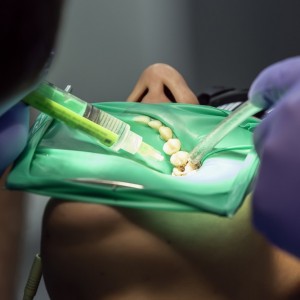
Patient perception research has failed to focus on burgeoning technology within the dental field.
Prosthodontics 16 April 2026
The use of orthodontics before fixed prosthodontics in restorative dentistry
For a variety of reasons, orthodontic intervention is often overlooked as a viable modality to correct occlusal, axial, rotational, and space discrepancies before undertaking fixed prosthetic...
Restorative dentistry 02 March 2026
Esthetic-functional rehabilitation: orthodontics and restorative approach. A clinical case
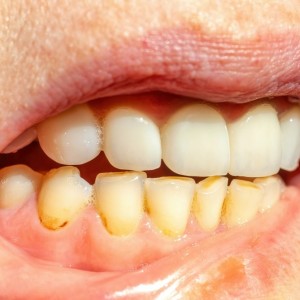
Aim of this paper was to bring the attention to the feasibility of using unconventional and customized dental treatment helped by composite materials for direct restorations.
Read more
Products 25 September 2026
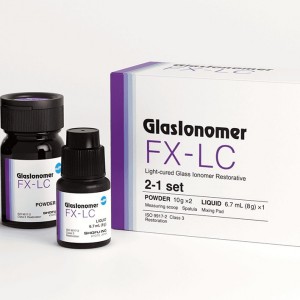
Shofu Dental’s line of dental restorative materials now includes FX-LC, a next-generation, light-cure, resin-reinforced glass ionomer formulated to deliver high strength, efficient 4
News 25 September 2026

The scholarships are part of an ongoing workforce solutions strategy to help address the need for skilled dental hygienists
News 25 September 2026

Michael Riccobene celebrates teamwork, community and more than 25 years of growth as one of sports’ most iconic trophies makes a special stop in Garner.
Editorials 25 September 2026

Oral surgery 25 September 2026
This peer-reviewed oral surgery article summarizes clinical evidence from International journal of oral and maxillofacial surgery (2026). It focuses on findings that may help dental professionals...



Copyright © 2026 - All Rights Reserved
ISSN 2767-1178