


New composite cement with anti-microbial properties
Co-authors: A. Comba, F. Florenzano
Lorenzo Breschi
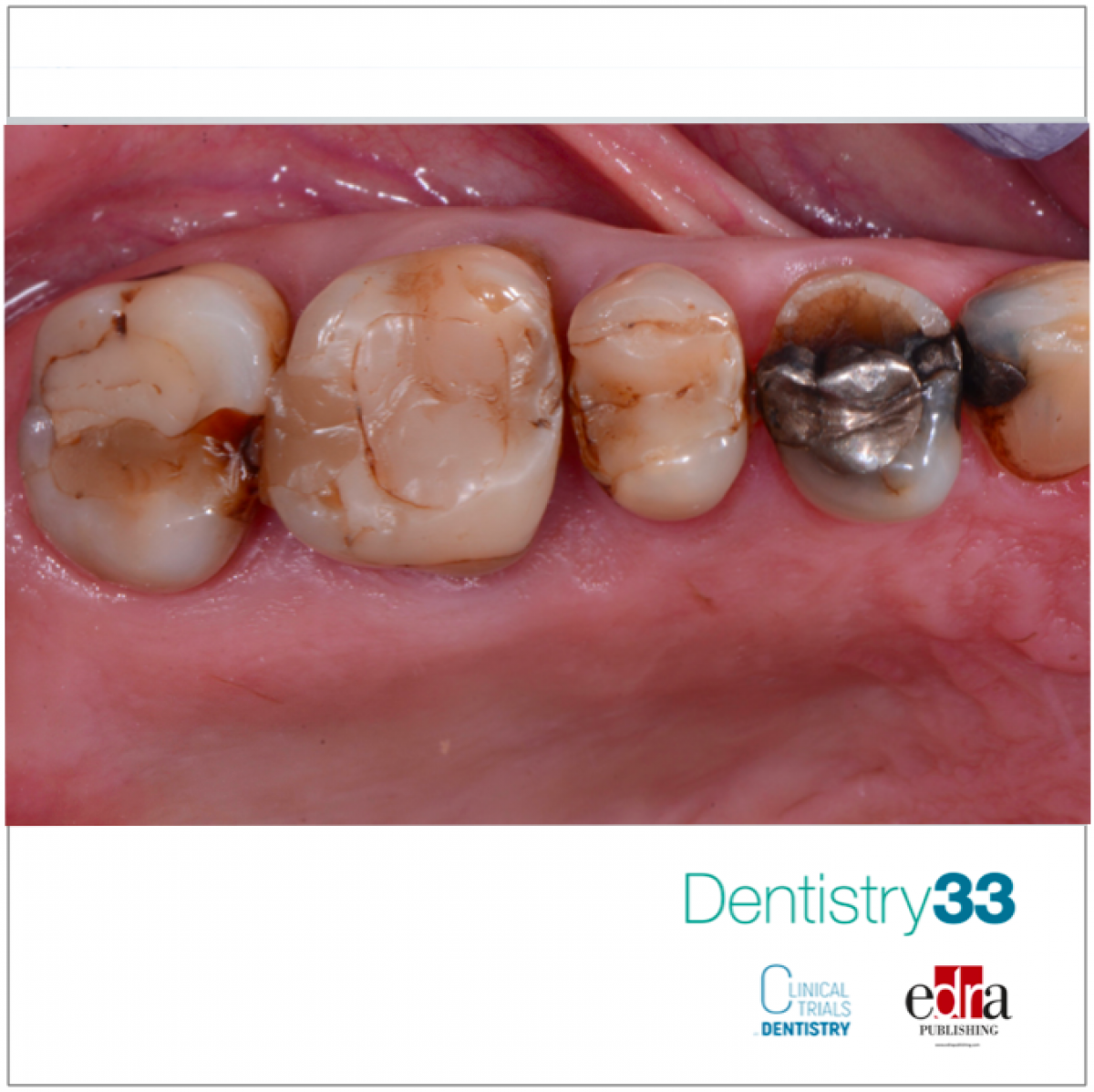
Despite the increasing attention deserved to oral health, a conspicuous number of tooth lost is still counted among elderly people, mainly due to secondary caries or periodontal problems. Restorations of caries-treated teeth are mainly dependent on the type of restorative material in order to achieve optimal bonding and mechanical properties. Indeed, an ideal restorative material has sufficient mechanical properties and bonding performance to resist functional forces and degradation in the oral environment. Additionally, prevention of biofilm growth at tooth-restoration interfaces is important to prevent secondary caries and maintain the restoration’s function in the long-term period. Resin composite cements are extensively used in restorative dentistry due to their excellent mechanical properties and tooth- bonding potential. However, their effectiveness could decrease over time due dissolution or deterioration phenomena, being greatly exposed to secondary caries. It has not yet been possible to dispose of composite cements with anti-microbial activity.
Therefore, Yamamoto et al. aimed at evaluating the mechanical properties, bonding performance and anti-microbial activity of a novel composite cement containing cetylpyridinium chloride (CPC) modified montmorillonite (‘CPC-Mont’).
Materials and Methods
The authors selected CPC-Mont particles with a median diameter of 30 and 7 μm which were added to a composite cement at a concentration of 2, 3, 4, 5 and 7.5 wt%. Mechanical properties and bonding performance of the experimental composite cements were evaluated with 3-point bending and micro-tensile bond-strength testing. The amount of CPC released from the cement disks was quantified using a UV–vis recording spectrophotometer. The anti-biofilm activity was studied using scanning electron microscopy (SEM).
Results
Adding 30-μm CPC-Mont decreased the mechanical properties and bonding performance of the composite cement, while no reduction was observed for the 7-μm CPC- Mont loaded cement formulation. Although CPC release substantially decreased during the 7-day period assessed, 5- and 7.5-wt% CPC-Mont loaded composite cement inhibited biofilm formation for 30 days.
Conclusion
Loading composite cement with 5- to 7.5-wt% of CPC- Mount of 7 μm increase the antimicrobial potential of the material, possibly limiting marginal infiltration and secondary caries.
For more information: Novel composite cement containing the anti-microbial compound CPC-Montmorillonite.
 Related articles
Editorials 27 September 2026
Dentistry33 survey highlights replacement care, deep caries and evolving restorative workflows
Reader survey finds direct composites remain dominant, secondary caries is the leading reason for restoration replacement, and clinicians want more training in pulp preservation
Reader survey finds direct composites remain dominant, secondary caries is the leading reason for restoration replacement, and clinicians want more training in pulp preservation

In the clinical practice of a dentist, it often happens that you must re-operate on restorations performed in the past and often the most common causes can be traced back to secondary caries,...
Restorative dentistry 01 November 2022
Dental restorative materials with sustained antibacterial action

Dental restorative materials with antibacterial properties can potentially solve secondary caries that occur around restorations.
Pediatric dentistry 28 October 2022

The clinical and radiographic effectiveness of 38% silver diamine fluoride with and without potassium iodide was tested and compared with resin-modified...
Restorative dentistry 11 July 2022
Which adhesive strategy and dental material can reduce secondary caries risk?

The accumulation of plaque, which determines poor oral hygiene in the patient or the presence of incongruous restorations, can lead to the development over time of a secondary caries, or a carious...
Read more
Products 16 October 2026
Karen Davis on Philips Sonicare DiamondClean 9900 Prestige & Smarter Brushing
News 16 October 2026
Align Technology to Report Q3 2026 Financial Results October 28
(Nasdaq: ALGN), a leading global medical device company that designs, manufactures, and sells the Invisalign® System of clear aligners, iTero™ intraoral scanners, and exocad™ CAD/C
News 16 October 2026
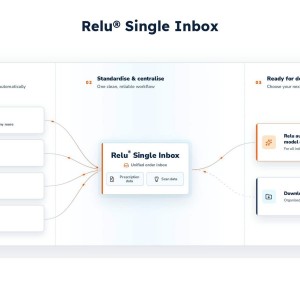
Fewer people on intake, faster turnaround, and no lost cases: Relu’s new automation captures and centralizes every scan and Rx from every source within a minute of arrival
Editorials 16 October 2026

Achievement and service take center stage as the University of Colorado Anschutz School of Dental Medicine honors the Doctor of Dental Surgery (DDS) Class of 2026.
Implantology 16 October 2026
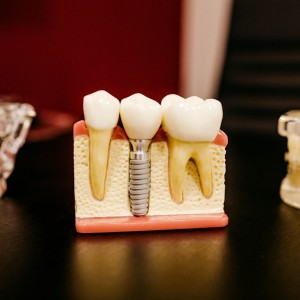
This peer-reviewed implantology article summarizes clinical evidence from Clinical oral implants research (2026). It focuses on findings that may help dental professionals evaluate treatment...



Copyright © 2026 - All Rights Reserved
ISSN 2767-1178