


Resin-modified glass ionomer cement had better restoration, color and luster than silver diamine fluoride

The clinical and radiographic effectiveness of 38% silver diamine fluoride (SDF) with and without potassium iodide (KI) was tested and compared with resin-modified glass ionomer cement (RMGIC) in indirect pulp capping of deep carious lesions in young permanent molars.
Methods
One hundred eight permanent first molars with deep occlusal cavitated carious lesions in 49 children aged six through nine years were randomly allocated into three groups (n = 36 molars per group) and treated with SDF plus KI, SDF and RMGIC.
RMGIC was used as a base and a resin-based composite restoration followed. Clinical assessments for secondary caries (primary outcome), postoperative pain, tooth vitality and restoration success and quality rates according to Modified U.S. Public Health Service and Ryge Criteria for Direct Clinical Evaluation of Restorations were performed after three, six and 12 months. Periapical radiographs were obtained at baseline, six and 12 months. Outcomes were assessed using mixed effects multilevel logistic and linear regression analyses.
Results
There were no significant differences (P = .26) among the groups for secondary caries, postoperative pain, tooth vitality, clinical abscess, radiographic signs of pulpal pathology, restorations’ marginal adaption, anatomic form and surface roughness. There was a significant difference (P = .03) in restoration color, marginal staining and luster. The RMGIC group outperformed the two SDF groups in color and luster.
Conclusions
The authors did not find differences among the groups in preventing secondary caries or pain or in maintaining pulpal health. The RMGIC group had better restoration color and luster than both SDF groups and better marginal staining than the SDF group.
Practical Implications
The results of this study can help guide treatment decision making regarding use of SDF and SDF plus KI as indirect pulp capping materials in deep cavitated lesions.
Baraka, Marwa et al. JADA. “Twelve-month randomized controlled trial of 38% silver diamine fluoride with or without potassium iodide in indirect pulp capping of young permanent molars.” JADA. October 14, 2022 DOI: https://doi.org/10.1016/j.adaj.2022.08.008
 Tag
Tag
Related articles
Pediatric dentistry 28 February 2023
CariedAway school-based trial prevented 80% of cavities with non-invasive treatment

A single dose of either of the two topical treatments administered in elementary schools prevented about 80% of cavities and 50% of cavities from worsening.
Pediatric dentistry 01 February 2023
Researchers hypothesized that SDF was superior to FV at one year. Secondary objectives were to determine the child's cooperation and the parent's satisfaction and assess adverse effects.
Market 04 November 2022
New CPT code allows clinicians to apply silver diamine fluoride to treat cavities
The American Medical Association approved a new category III CPT code for the application of silver diamine fluoride by medical teams to arrest dental decay...
Editorials 27 September 2026
Dentistry33 survey highlights replacement care, deep caries and evolving restorative workflows
Reader survey finds direct composites remain dominant, secondary caries is the leading reason for restoration replacement, and clinicians want more training in pulp preservation
Reader survey finds direct composites remain dominant, secondary caries is the leading reason for restoration replacement, and clinicians want more training in pulp preservation

In the clinical practice of a dentist, it often happens that you must re-operate on restorations performed in the past and often the most common causes can be traced back to secondary caries,...
Read more
Products 16 October 2026
Karen Davis on Philips Sonicare DiamondClean 9900 Prestige & Smarter Brushing
News 16 October 2026
Align Technology to Report Q3 2026 Financial Results October 28
(Nasdaq: ALGN), a leading global medical device company that designs, manufactures, and sells the Invisalign® System of clear aligners, iTero™ intraoral scanners, and exocad™ CAD/C
News 16 October 2026

Fewer people on intake, faster turnaround, and no lost cases: Relu’s new automation captures and centralizes every scan and Rx from every source within a minute of arrival
Editorials 16 October 2026
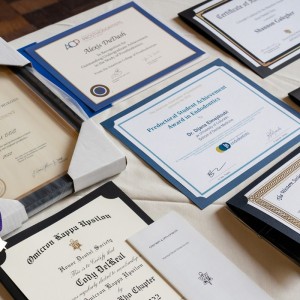
Achievement and service take center stage as the University of Colorado Anschutz School of Dental Medicine honors the Doctor of Dental Surgery (DDS) Class of 2026.
Implantology 16 October 2026
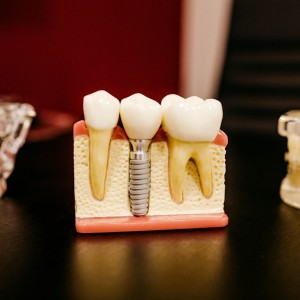
This peer-reviewed implantology article summarizes clinical evidence from Clinical oral implants research (2026). It focuses on findings that may help dental professionals evaluate treatment...


Copyright © 2026 - All Rights Reserved
ISSN 2767-1178