


Fabrication of provisional crowns: a randomized controlled trial comparing digital vs conventional workflow
Co-authors: A. Comba, F. Del Bianco
Lorenzo Breschi
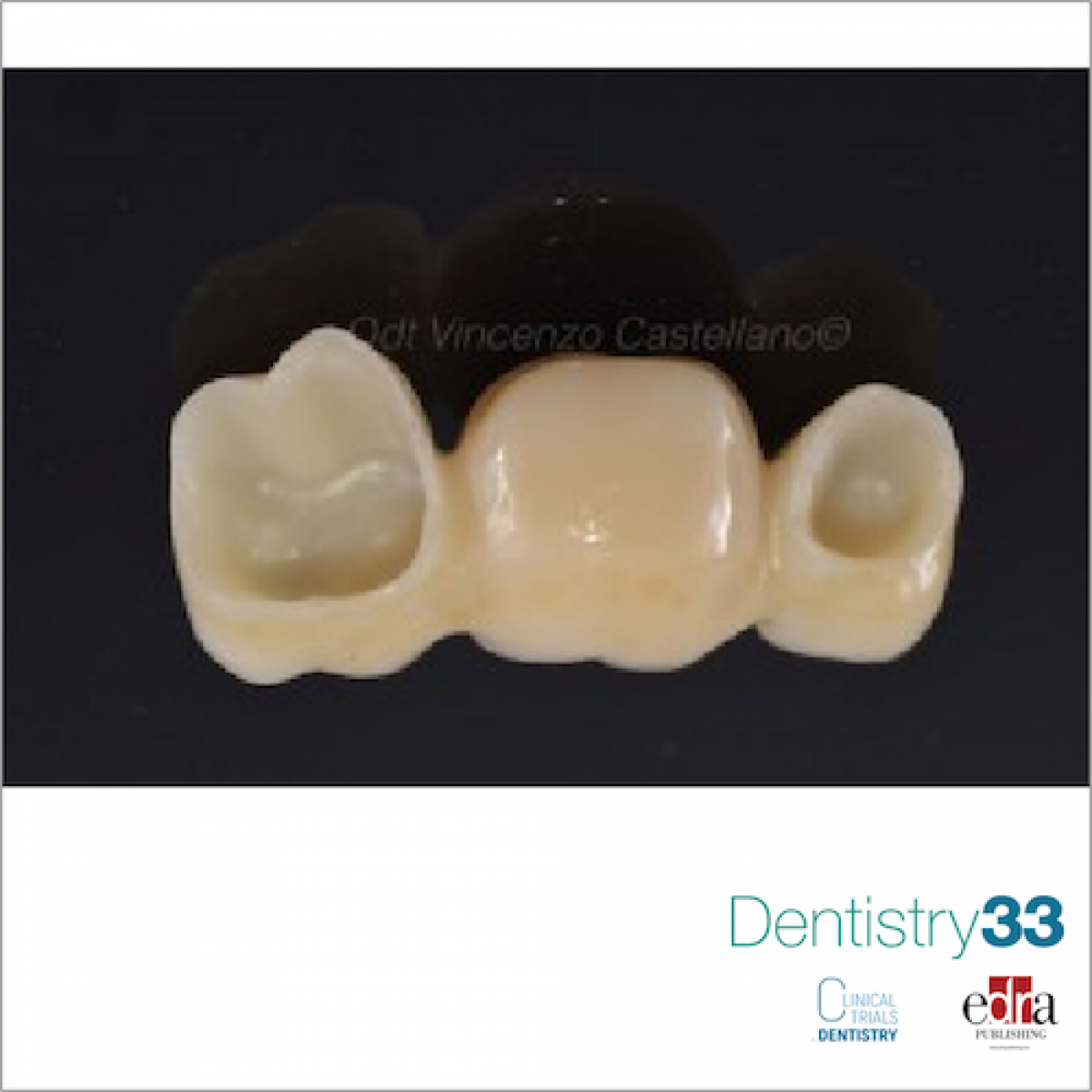
Digital technologies are evolving rapidly and, in particular, their use for the fabrication of temporary crowns is increasing. In fact following a digital workflow, an interim crown can be made by milling CAD-CAM blocks similarly to definitive crowns, through 3D printing process. However, to the author’s knowledge, no clinical study has compared the clinical efficiency of fabricating provisional crowns with a conventional workflow to that of crowns fabricated with a
Materials & Methods
The Chinese group of researchers enrolled forty participants in need of posterior tooth supported single crown and they were randomly allocated to either the digital or conventional group. In the digital group, the authors decided to fabricate the provisional single crowns by using digital sextant scans and computer-aided design and computer-aided manufacturing (CAD-CAM) technology without definitive casts. For the conventional group Cheng et al. (2021) included conventional impressions and direct fabrication of the interim restorations intraorally. Five experienced and 5 less experienced clinicians were randomly assigned to fabricate the interim single crowns. The total fabrication time (laboratory and clinical) was recorded to evaluate time efficiency by the researchers. Fit assessment included marginal fit, proximal contact, occlusal contact, and crown morphology. Mann-Whitney U Test was used to analyze the data (a=.05).
Results
Cheng et al. (2021) revealed that the digital workflow required significantly less total fabrication time (laboratory and clinical) than the conventional workflow (P<.001). Furthermore, the researchers reported that the provisional single crowns fabricated with the digital workflow had significantly better fit and occlusal contacts than those fabricated with the conventional workflow (P=.005 and P<.001).
Conclusions
The authors concluded that the provisional single crowns fabricated with a digital workflow required shorter fabrication time and resulted in better fit than those fabricated with a conventional workflow, especially for less-experienced clinicians. (J Prosthet Dent 2021;125:73-81)
For additional information: Randomized clinical trial of a conventional and a digital workflow for the fabrication of interim crowns: An evaluation of treatment efficiency, fit, and the effect of clinician experience.
 Related articles
News 23 March 2026
New Gingividual® Concept Basic supports standardised digital workflows for soft tissue management

Camlog announces the international launch of Gingividual® Concept Basic, a standardised, digital-first solution designed to streamline implant prosthetic workflows and support predictable soft...
Orthodontics 08 October 2025
The field of orthodontics in its new era is venturing ahead to more up-to-date technological point of view.
Products 03 October 2025
From Scan to Smile: Aidite’s EZPRINT-P1 and Rapid 3 Deliver a Complete Digital Workflow

Digital dentistry thrives on precision, efficiency, and integration. Aidite has long been a leader in advancing these principles. With the introduction of the EZPRINT-P1 3D Printer, the company now...
Digital Dentistry 14 August 2025
Application of digital workflow and technologies in clinical paediatric dentistry: a scoping review
The purpose of the present scoping review is to map the literature reporting on the application of digital workflows and digital technologies in the diagnosis, treatment, or management of dental...
Restorative dentistry 01 July 2025
Advances in CAD/CAM Technology for Chairside Restorative Dentistry: A Workflow Analysis
Chairside CAD/CAM technology has revolutionized restorative dentistry, offering streamlined workflows and improved patient outcomes.
Read more
Products 20 October 2026
News 20 October 2026

In recognition of National Dental Hygiene Month, Delta Dental highlights key findings from its 2026 State of America’s Oral Health and Wellness Report , a nationwide analysis of co
News 20 October 2026
Abra Health Group has launched The Dental Bank, a new community impact initiative designed to make essential oral health resources more accessible to individuals and families throu
Editorials 20 October 2026
Woman’s skull likely proof of ancient nose amputation, says College of Dentistry professor
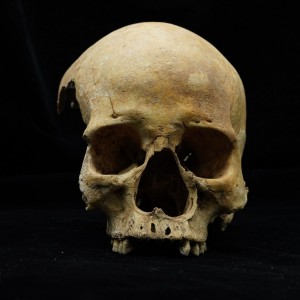
Qian Wang, professor in biomedical sciences at Texas A&M College of Dentistry in Dallas, identified what he and other researchers believe is likely one of the first examples of an
Endodontics 20 October 2026
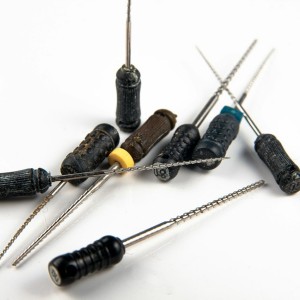
This peer-reviewed endodontics article summarizes clinical evidence from Clinical oral investigations (2026). It focuses on findings that may help dental professionals evaluate treatment decisions,...



Copyright © 2026 - All Rights Reserved
ISSN 2767-1178