


Application of digital workflow and technologies in clinical paediatric dentistry: a scoping review
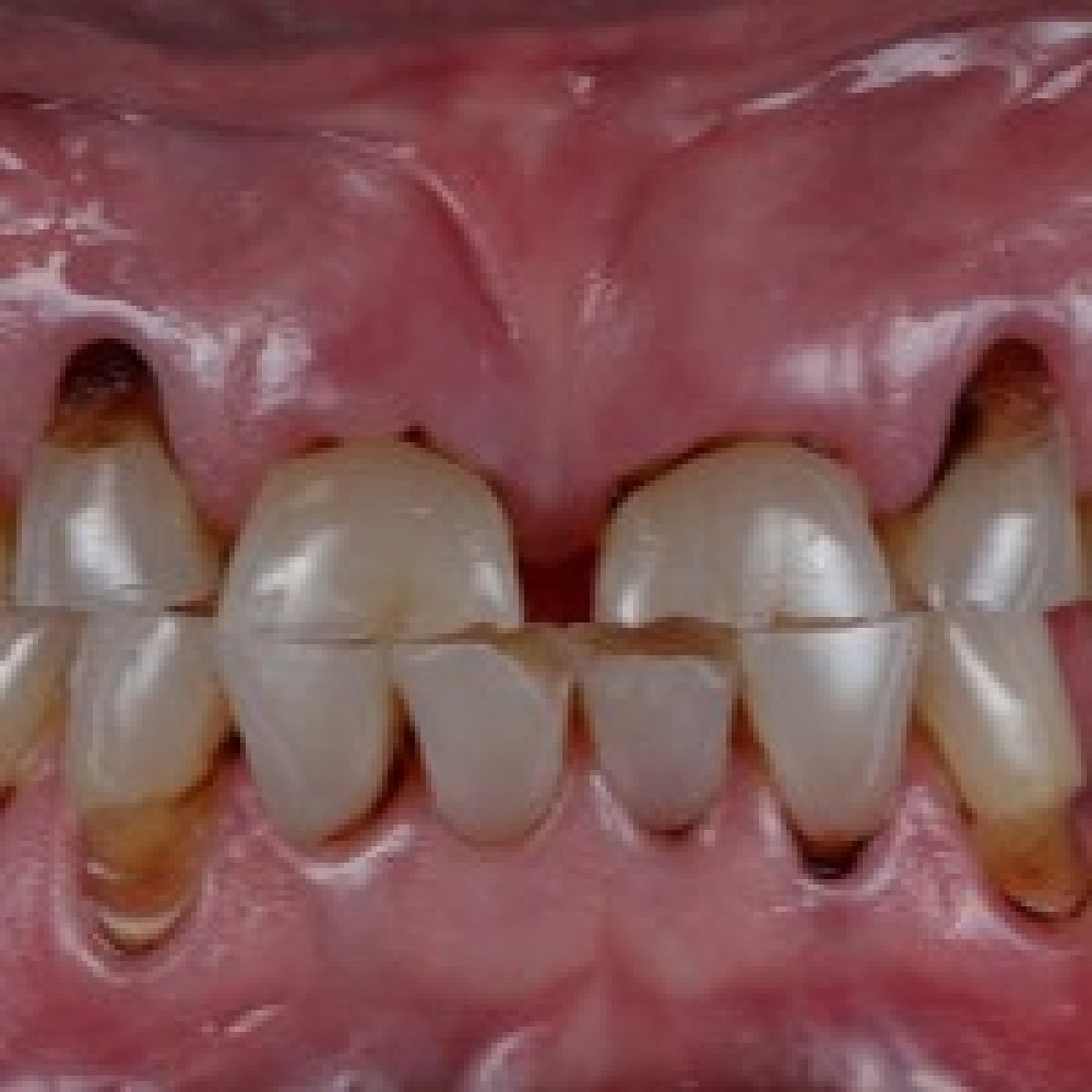
Purpose
The purpose of the present scoping review is to map the literature reporting on the application of digital workflows and digital technologies in the diagnosis, treatment, or management of dental conditions in paediatric patients. Furthermore, the review focuses on identifying possible knowledge gaps in the area and developing specific recommendations for future investigations.
Methods
An electronic search was performed on 3 databases up to July 2023. After the authors independently screened the retrieved articles, they extracted the data and assessed the risk of bias using the JBI (The Joanna Briggs Institute) critical appraisal tools and the Cochrane Risk of Bias 1 tool, depending on the study design assessed.
Results
After full-text assessment, 58 studies were identified that met the inclusion and exclusion criteria. The results were divided into two groups according to the study design: 36 were research articles, and 22 were case reports; only the research articles were included in the qualitative synthesis. The most common topic was Scanners/3 d digital model analysis (11 articles), followed by Digital Imaging (8 articles). Digital applications were also a popular topic, and tele-dentistry and artificial intelligence were also present in the included studies.
Conclusion
Studies investigating the use of digital workflows and digital technologies in the diagnosis, treatment or management of dental conditions in paediatric dentistry are lacking. In general, future investigations should be based on higher quality studies; furthermore, the lack of studies on the clinical validation of digitally fabricated orthodontic devices and restorations in paediatric patients provides insights for future research.
Authors: Daniele Garcovich, Erica Lipani, Riccardo Aiuto, Alfonso Alvarado Lorenzo & Milagros Adobes Martin
Source: https://link.springer.com/
 Related articles
Pediatric dentistry 29 April 2026
Exploration and innovative application of digital technology in pediatric dentistry
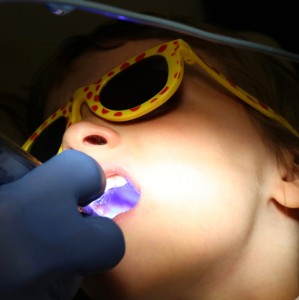
Pediatric dentistry treats patients aged 0-18 years, encompassing the characteristics of general dentistry.
Oral surgery 27 April 2026
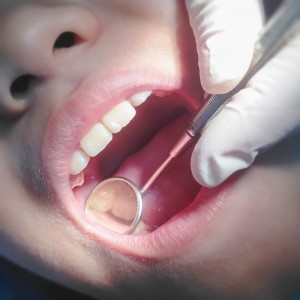
Over the last few years, translational applications of so-called artificial intelligence in the field of medicine have garnered a significant amount of interest.

This manuscript describes strategies for assessment of precision of several diagnostic artificial intelligence (AI) tools in orthodontics

Prosthodontics 31 October 2025
Rapid Prototyping Technologies and their Applications in Prosthodontics, a Review of Literature
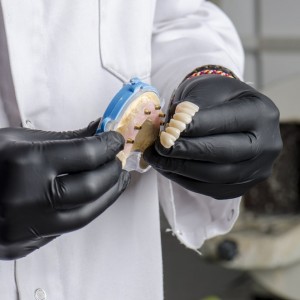
The early computer-aided design/computer-aided manufacturing (CAD/CAM) systems were relied exclusively on subtractive methods.
Read more
Products 25 September 2026
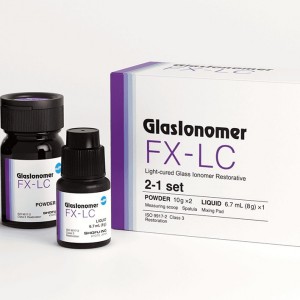
Shofu Dental’s line of dental restorative materials now includes FX-LC, a next-generation, light-cure, resin-reinforced glass ionomer formulated to deliver high strength, efficient 4
News 25 September 2026

The scholarships are part of an ongoing workforce solutions strategy to help address the need for skilled dental hygienists
News 25 September 2026

Michael Riccobene celebrates teamwork, community and more than 25 years of growth as one of sports’ most iconic trophies makes a special stop in Garner.
Editorials 25 September 2026

Oral surgery 25 September 2026
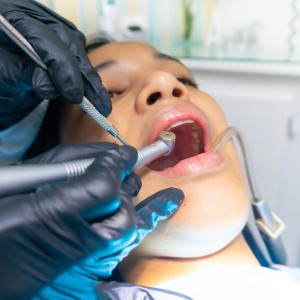
This peer-reviewed oral surgery article summarizes clinical evidence from International journal of oral and maxillofacial surgery (2026). It focuses on findings that may help dental professionals...



Copyright © 2026 - All Rights Reserved
ISSN 2767-1178