


Zirconia crowns as an alternative to stainless steel for primary teeth
By Lorenzo Breschi and Annamaria Forte

Despite the efforts devoted to the prevention of dental caries, this disease is still affecting a significant percentage of primary and permanent dentition of children worldwide. If left untreated, caries can lead to severe tooth structure compromission, thus requiring restorative procedures.
Primary teeth are crucial for preserving space in the dental arch and serving important functions in speech and mastication. In the presence of extensive carious lesion of primary teeth, or those that have undergone pulp therapy, full coverage restorations or crowns can be proposed as treatment options.
These procedures would help the preservation of the primary dental element until the permanent tooth erupts in the oral cavity. Several materials have been proposed for the fabrication of crowns in primary dentition, such as stainless-steel crowns and zirconia. Despite numerous advantages, zirconia crowns are associated with certain potential limitations. These include difficulties in making adjustments for mechanical retention, a limited range of available shades in clinical settings and longer procedure times. Additionally, achieving optimal adaptation may require more extensive reduction of the tooth structure.
Concerns have also been raised regarding pulpal exposure and postoperative complications during the preparation of zirconia crowns. Furthermore, despite the availability of various brands and meeting esthetic demands, zirconia crowns are often considered expensive when compared to alternative treatment options.
A systematic review published in February 2022 provides comprehensive knowledge regarding the clinical effectiveness and outcomes of zirconia crowns specifically designed for primary teeth.
Materials and methods
Four electronic databases (Ovid, PubMed, Scopus, and Web of Science) were searched by the research team. Clinical, observational and laboratory studies were included. Studies that assessed the performance of zirconia crowns for primary teeth using outcomes such as gingival and periodontal health, parental satisfaction, color stability, crown retention, contour, fracture resistance, marginal integrity, surface roughness and recurrent caries were included.
Risk of bias was assessed using different assessment tools depending on the type of the assessed study.
Results
The studies included in this article found that zirconia crowns for primary teeth were associated with better gingival and periodontal health, good retention, high fracture resistance, color stability, high parental acceptance, good marginal adaptation, smooth cosmetic surface and no recurrent caries when compared to stainless steel zirconia crowns.
Conclusion
Zirconia crowns exhibit considerable promise as an alternative to traditional restorative materials and crowns within the realm of pediatric dentistry. These crowns have demonstrated superior properties and performance across various clinical aspects, leading to high levels of parental satisfaction. It is crucial to consider certain factors when contemplating zirconia crowns as a substitute for alternative materials and crowns for primary teeth, including the duration of the procedure, cost implications, and the expertise of the dentist. These considerations become particularly relevant when dealing with primary teeth.
Alzanbaqi SD, Alogaiel RM, Alasmari MA, Al Essa AM, Khogeer LN, Alanazi BS, Hawsah ES, Shaikh AM, Ibrahim MS. "Zirconia Crowns for Primary Teeth: A Systematic Review and Meta-Analyses." Int J Environ Res Public Health. 2022 Feb 28;19(5):2838. doi: 10.3390/ijerph19052838.
 Related articles
Pediatric dentistry 09 October 2026
This peer-reviewed pediatric dentistry article summarizes clinical evidence from BMC oral health (2026). It focuses on findings that may help dental professionals evaluate treatment decisions,...
Pediatric dentistry 29 April 2026
Exploration and innovative application of digital technology in pediatric dentistry
Pediatric dentistry treats patients aged 0-18 years, encompassing the characteristics of general dentistry.
Pediatric dentistry 14 April 2026
Comparison between dexmedetomidine and esketamine in pediatric dentistry surgery

Dexmedetomidine (D) and esketamine (K) are used for the sedation of pediatric dental surgery. This study was designed to compare the effect of intranasal D and K in producing moderate sedation for...
Existing studies on adverse events (AEs) in pediatric dentistry have been limited in scope.
Read more
Products 15 October 2026
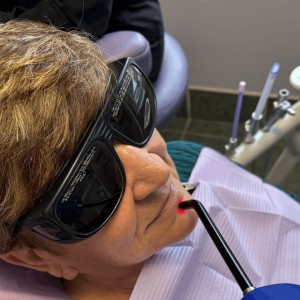
The belief in the healing power of light goes all the way back to ancient Egypt and the worship of Rah, the sun god.
Nearly half the world’s population is affected by oral disease—and the number of cases is rising.
News 15 October 2026

New office at 3170 R Street adds walk-in availability and same-day care options in a region where dental providers are in short supply

Each year, the University of Colorado Anschutz School of Dental Medicine (SDM) Excellence Awards recognize individuals whose dedication, leadership and innovation strengthen our mi
Oral surgery 15 October 2026
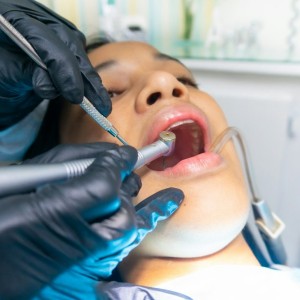
This peer-reviewed oral surgery article summarizes clinical evidence from International journal of oral and maxillofacial surgery (2026). It focuses on findings that may help dental professionals...



Copyright © 2026 - All Rights Reserved
ISSN 2767-1178