


Considerations by Dr. Ignazio Loi on the BOPT technique

In fixed prosthetic rehabilitations supported by natural teeth, one of the main and most important objectives is the bio integration between the prosthetic and the periodontal tissues. At the Sepa SIdP Symposium 2022 Congress in Barcelona, Dr. Ignazio Loi spoke on this issue. If the perio-prosthetic interface is the apical migration of the gingival margin, it causes an aesthetic failure of various kinds, based on the dental elements involved, he explained.
When this situation arises, Loi said he resorts to a new prosthetic technique he devised, Biologically Oriented Preparation Technique or BOPT. The technique aims to improve the relationship between the prosthetic product and periodontal tissues. It involves the preparation of the sulcus — of which the level of epithelial attachment is assessed using a periodontal probe — then moves to the subgingival preparation, so that the attached gingiva can conform to the prosthetic emergence profile, exploiting the tissue adaptability.
“Vertical preparation is a big change for the way of seeing the relationship between the shape and the space of the tooth and the gum differently," said Loi.
This type of preparation allows for a certain degree of freedom in the interaction with tissues and with the gingival forms, which is not always possible with other types of preparations. For example, static preparation has well-defined measurements from the point geometrically and the final restoration is completely different. The BOPT also provides for gingitage, i.e., an intrasulcular preparation both towards the gingival and towards the rotating instruments with a controlled invasion of the sulcus.
When asked about the spaces, Loi said that “millimeter measurements have not existed for a long time and that instead you have to look at the clinic, tissue healing, tissue thickening, shape and volume augmentation.”
Based on what he shared, the Edra editorial team in Italy said the BOPT technique is very innovative in periodontal surgery because it allows you to interact completely with the entire periodontal sphere.
This article was originally published in Odontologia33: https://www.odontologia33.com/actualidad/nacional/9202/el-dr-loi-muestra-en-el-spazio-bopt-de-la-uic-el-protagonismo-de-la-encia-en-rehabilitaciones-sobre-dientes-o-implantes.html
 Related articles
Prosthodontics 27 February 2026
Prosthetic implant rehabilitation using the scan-analog protocol: a clinical case
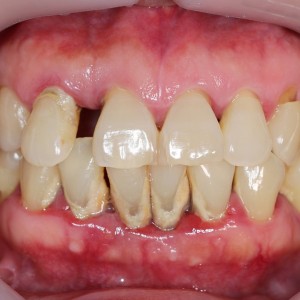
A digital workflow for prosthetic implant rehabilitation can start either from intraoral scans or from the scan of the patient cast models. However, the possibility of scanning oral impressions is...
Oral Hygiene & Prevention 21 January 2026
The effectiveness of mouthwash on orthodontic and prosthetic complications: a systematic review
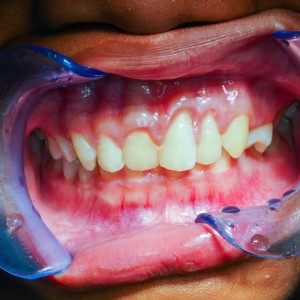
The present study aimed to determine the effectiveness of mouthwashes on the complications of orthodontic treatments and dental prostheses, in addition to filling research gaps, to identify and...
ResearchAndMarkets.com has added a new report titled “Dental Implants and Prosthetics Market by Product, Type of Facility – Global Forecast to 2030.” The report forecasts the global market to...

ResearchAndMarkets.com has added a new report titled “Dental Implants and Prosthetics Market by Product, Type of Facility – Global Forecast to 2030.” The report forecasts the global market to...
Implantology 19 December 2024
Aesthetics in Oral Implantology: Biological, Clinical, Surgical, and Prosthetic Aspects

The aim of this study was to identify a correct clinical, surgical, and prosthetic management of endosseous implants replacing missing teeth in the anterior maxilla, achieving predictable aesthetic...
Read more
Products 15 October 2026
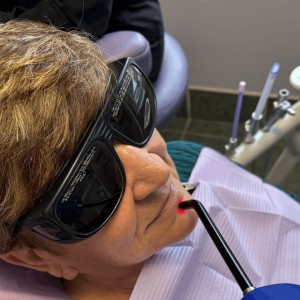
The belief in the healing power of light goes all the way back to ancient Egypt and the worship of Rah, the sun god.
Nearly half the world’s population is affected by oral disease—and the number of cases is rising.
News 15 October 2026
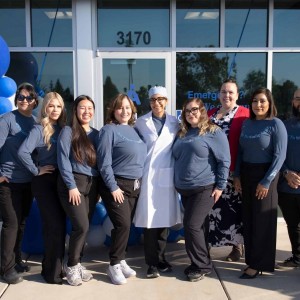
New office at 3170 R Street adds walk-in availability and same-day care options in a region where dental providers are in short supply
Each year, the University of Colorado Anschutz School of Dental Medicine (SDM) Excellence Awards recognize individuals whose dedication, leadership and innovation strengthen our mi
Oral surgery 15 October 2026
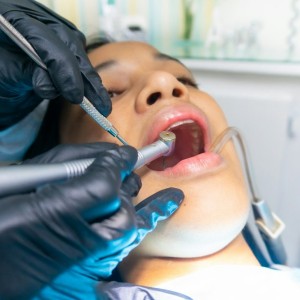
This peer-reviewed oral surgery article summarizes clinical evidence from International journal of oral and maxillofacial surgery (2026). It focuses on findings that may help dental professionals...


Copyright © 2026 - All Rights Reserved
ISSN 2767-1178