


Influence of dental occlusion on the oculomotor system
Lara Figini
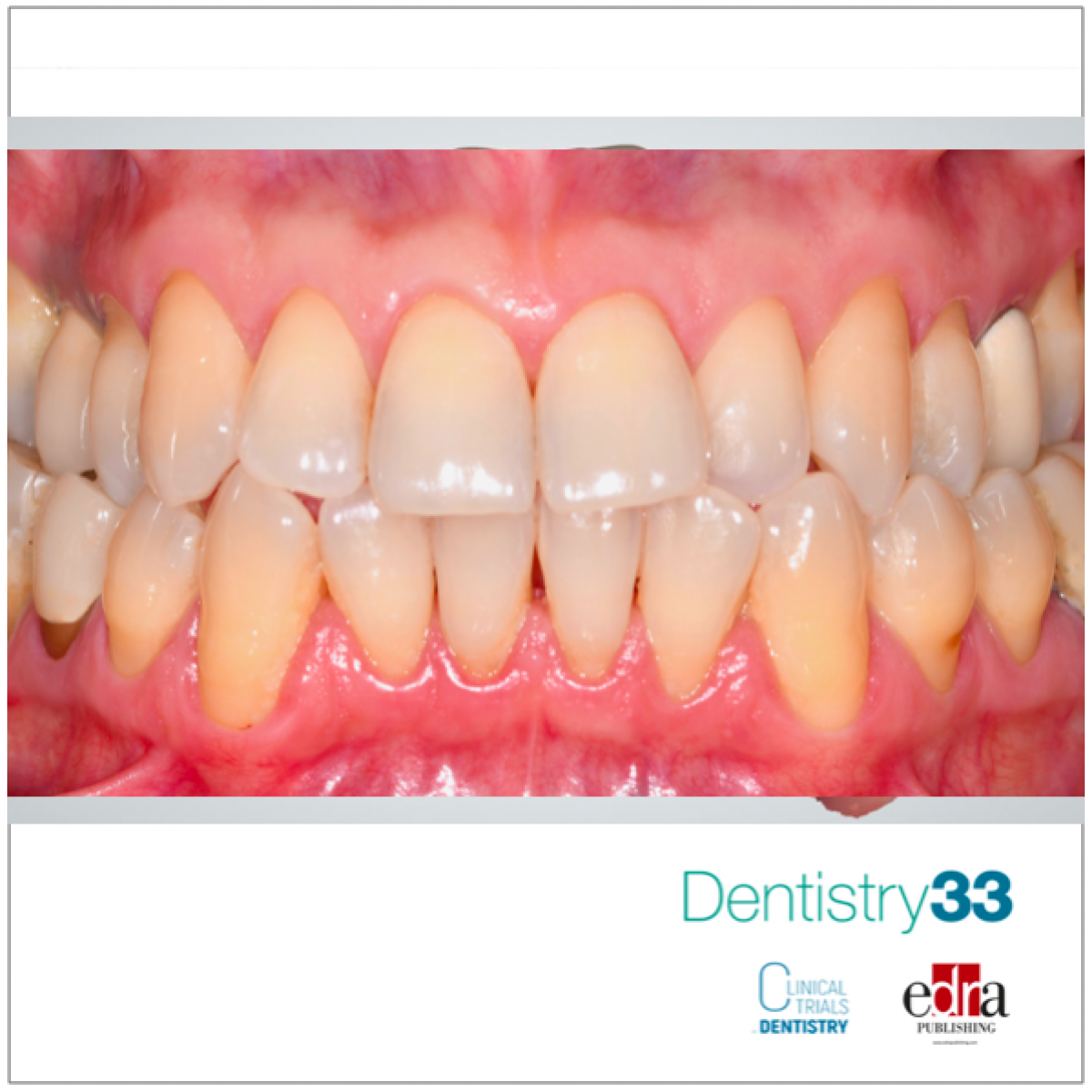
The morphofunctional holistic view of the human body is playing an increasingly important role in medicine and dentistry. For the diagnosis and treatment of complex clinical entities, interdisciplinary cooperation between the various medical specialties is essential. The interactions between the functional compartments of the human body, for example occlusion and posture, are currently increasingly being studied however, the objectives and results of the available data are controversial. Several recent studies have suggested correlations between functional limitations of the visual system and dental occlusion based on the concept that the trigeminal nerve is the most complex of all cranial nerves, innervates the structures that have developed from the branchial arches and somites and the integration of the impulses from the neck muscles, the organ of balance, the cerebellum and the eye muscles is essential for its various tasks.
Materials and methods
In a very recent German pilot study, published on Annals of Anatomy January 2022, the authors examined the interaction between the oculomotor system and the stomatognathic system based on the morphofunctional relationships between the corresponding cranial nerves, their central areas and reticular formation such as ¨connection ¨by optometric exams.
Study subjects (N = 100) were prospectively recruited and divided into two groups:
- Group 1 or young group (N = 53, age 6–16 years) e
- Group 2 or group of “seniors” (N = 47, 23–78 years).
The authors determined the horizontal range of convergence and divergence as well as the near point of convergence. These optometric parameters were recorded in both groups in the rest position, in the position of maximum opening of the mouth and in the position of clamping the mouth in bite by means of tin sheets (0.5 mm and 1 mm), which were inserted occlusally at the level of the first lower left molar.
Results
All oculomotor parameters were significantly altered by bite manipulation and maximum mouth opening. These effects can be observed regardless of age and gender and therefore suggest an interaction between eye movement and the orofacial complex. Subjects with asthenopic symptoms showed no differences in reactions from healthy subjects.
Conclusions
From the data of this study, which must be confirmed in other similar studies, it can be concluded that significant changes occur in oculomotor parameters, during clamping of the mouth in bite or during maximum mouth opening.
Clinical implications
For a final statement on the correlation between the oculomotor and stomatognathic systems, further investigation is needed. For further studies, interdisciplinary cooperation between the different subject areas is recommended.
For additional information: Influence of dental occlusion on oculomotory function — A pilot study
 Related articles
Endodontics 20 June 2023
Chewing properly improves blood sugar levels in patients with type 2 diabetes

In a study published in PLOS ONE, researchers found that patients with type 2 diabetes who have full chewing function have a blood glucose level that is significantly lower than patients whose...
Read more

Continuous innovation across the DEXIS ecosystem helps clinicians work with greater clarity, confidence, and efficiency
News 23 October 2026

CrownPoint Partners announced the successful closing of a $9.2 million, five-property dental sale-leaseback portfolio located throughout Michigan.
News 23 October 2026
Dentsply Sirona, Midwest Dental Expand Technology Relationship

Beginning November 1, Dentsply Sirona will expand its long-standing relationship with Midwest Dental Equipment & Supply beyond consumables to include its complete technology portfo
Editorials 23 October 2026
Honoring Excellence: Graduation Awards for CU Anschutz Dental Students and Faculty

As the University of Colorado Anschutz School of Dental Medicine celebrates the graduating DDS Class of 2025, we are proud to recognize the students and faculty members whose excep
Implantology 23 October 2026
This peer-reviewed implantology article summarizes clinical evidence from Clinical oral implants research (2026). It focuses on findings that may help dental professionals evaluate treatment...



Copyright © 2026 - All Rights Reserved
ISSN 2767-1178