


Chewing properly improves blood sugar levels in patients with type 2 diabetes
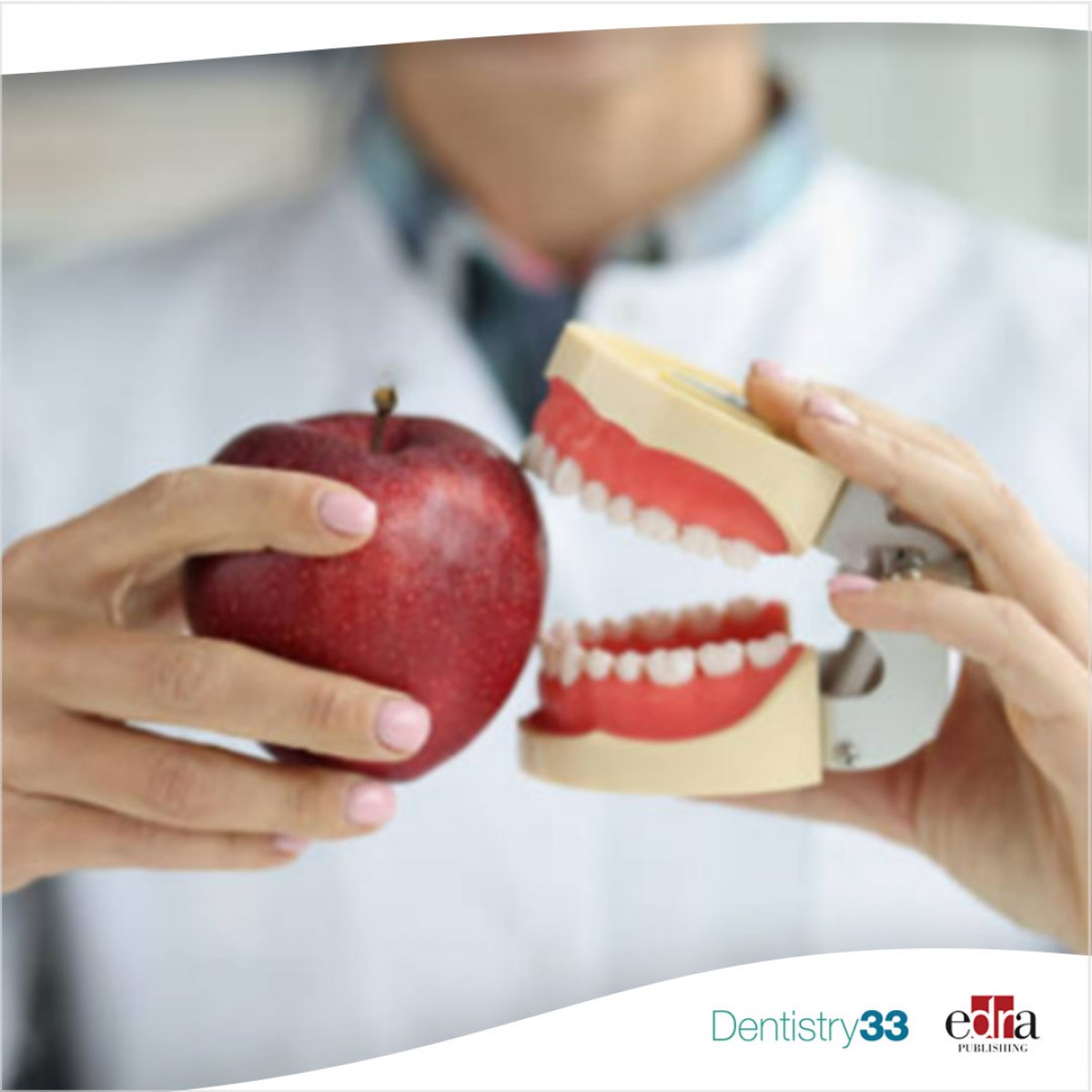
In a study published in PLOS ONE on April 14, researchers found that patients with type 2 diabetes who have full chewing function have a blood glucose level that is significantly lower than patients whose ability to chew effectively is diminished. Dr. Mehmet Eskan, corresponding author, is a clinical adjunct professor in the Department of Periodontology and Endodontics at the University at Buffalo School of Dentistry.
The retrospective study analyzed data collected from 94 patients with type 2 diabetes who had been seen at an outpatient clinic at a hospital in Istanbul, Turkey.
The patients were divided into two groups: the first group included patients who had good occlusal function or enough teeth placed correctly and making contact in such a way that a person can chew food well. The blood glucose level of that group was 7.48.
The second group couldn't chew well, if at all, because they were missing some or all of their teeth. Their blood glucose level was almost 2% higher, 9.42.
Chewing matters
When you sit at a picnic table with family and friends, chewing is the last thing on your mind. However, when you bite into your burger, several things start to happen. Digestion, the process by which your body extracts nutrients from food, begins when chewing stimulates saliva production. Nutrients that are important for lowering blood glucose levels include fiber, which is largely obtained by chewing appropriate foods.
Chewing has also been reported to stimulate reactions in the gut that lead to increased insulin secretion and the hypothalamus that promotes a feeling of satiety, resulting in lower food intake. Eating less decreases the likelihood of being overweight, which is a major risk factor for developing type 2 diabetes.
Dental care, the big picture
"My special clinical interest is treating dental patients who are systemically compromised," Eskan said. The goal of his research is to contribute to the bigger picture of improving public health. This research indicates that, as of 2019, nearly 500 million people worldwide had diabetes, and at least 90% of those diabetes patients have type 2 diabetes.
Addressing oral health has recently become part of the approach to managing diabetes along with encouraging patients to maintain a healthy weight, eat a healthy diet, and quit smoking.
"Our findings show that there is a strong association between chewing and controlling blood glucose levels among patients with type 2 diabetes," Eskan said.
This study did not find any independent variables that could affect blood glucose levels among subjects because there were no statistical differences between subjects regarding body mass index (BMI), sex, smoking, medications, or infection as indicated by white blood cell count at baseline.
The dramatic improvement in a patient's case described in a 2020 study co-led by Eskin illustrates the potential benefit of improving occlusal function through dental implants and proper fixed restoration. A patient with type 2 diabetes whose chewing function was severely impaired by missing teeth initially presented with a blood glucose level of 9.1. The patient was nourished using a bottle and eating baby food. Four months after treatment with a full-mouth implant-supported fixed restoration, the patient's glucose level dropped to 7.8. After 18 months, it decreased to 6.2.
Research has shown that just a one percent increase in blood glucose is associated with a 40 percent increase in mortality from cardiovascular or ischemic heart disease among people with diabetes, according to Eskan. Other complications can include kidney disease, eye damage, neuropathy and slow healing of simple wounds such as cuts and blisters.
This article originally appeared in Odontologia33.
Yeter E. Bayram and Mehmet A. Eskan. "Mastication inefficiency due to diminished or lack of occlusal support is associated with increased blood glucose levels in patients with type 2 diabetes." PLOS ONE. 14 April 2023. https://doi.org/10.1371/journal.pone.0284319.
 Related articles

Periodontology 15 December 2025

In dental practice, the successful management of a patient with periodontitis and concurrent diabetes can be challenging.
Periodontology 09 April 2025

Periodontitis is a chronic inflammatory non-communicable disease (NCD) characterised by the destruction of the tooth-supporting apparatus (periodontium), including alveolar bone, the presence of...
Implantology 25 June 2024

Diabetes mellitus is a prevalent medical disorder. It is often accompanied with systemic adverse sequelae, such as wound healing alterations, which may affect osseointegration of dental implants.
Delta Dental of New Jersey and the Mahwah, NJ-based organization Diabetes Foundation are collaborating to educate New Jersey residents about the link between oral health and overall well-being.
Read more

Continuous innovation across the DEXIS ecosystem helps clinicians work with greater clarity, confidence, and efficiency
News 23 October 2026

CrownPoint Partners announced the successful closing of a $9.2 million, five-property dental sale-leaseback portfolio located throughout Michigan.
News 23 October 2026
Dentsply Sirona, Midwest Dental Expand Technology Relationship

Beginning November 1, Dentsply Sirona will expand its long-standing relationship with Midwest Dental Equipment & Supply beyond consumables to include its complete technology portfo
Editorials 23 October 2026
Honoring Excellence: Graduation Awards for CU Anschutz Dental Students and Faculty

As the University of Colorado Anschutz School of Dental Medicine celebrates the graduating DDS Class of 2025, we are proud to recognize the students and faculty members whose excep
Implantology 23 October 2026

This peer-reviewed implantology article summarizes clinical evidence from Clinical oral implants research (2026). It focuses on findings that may help dental professionals evaluate treatment...



Copyright © 2026 - All Rights Reserved
ISSN 2767-1178