


Rolled versus cut threads prosthetic screws: fatigue performance and SEM analysis
Co-authors: A. Comba, F. Del Bianco
Lorenzo Breschi
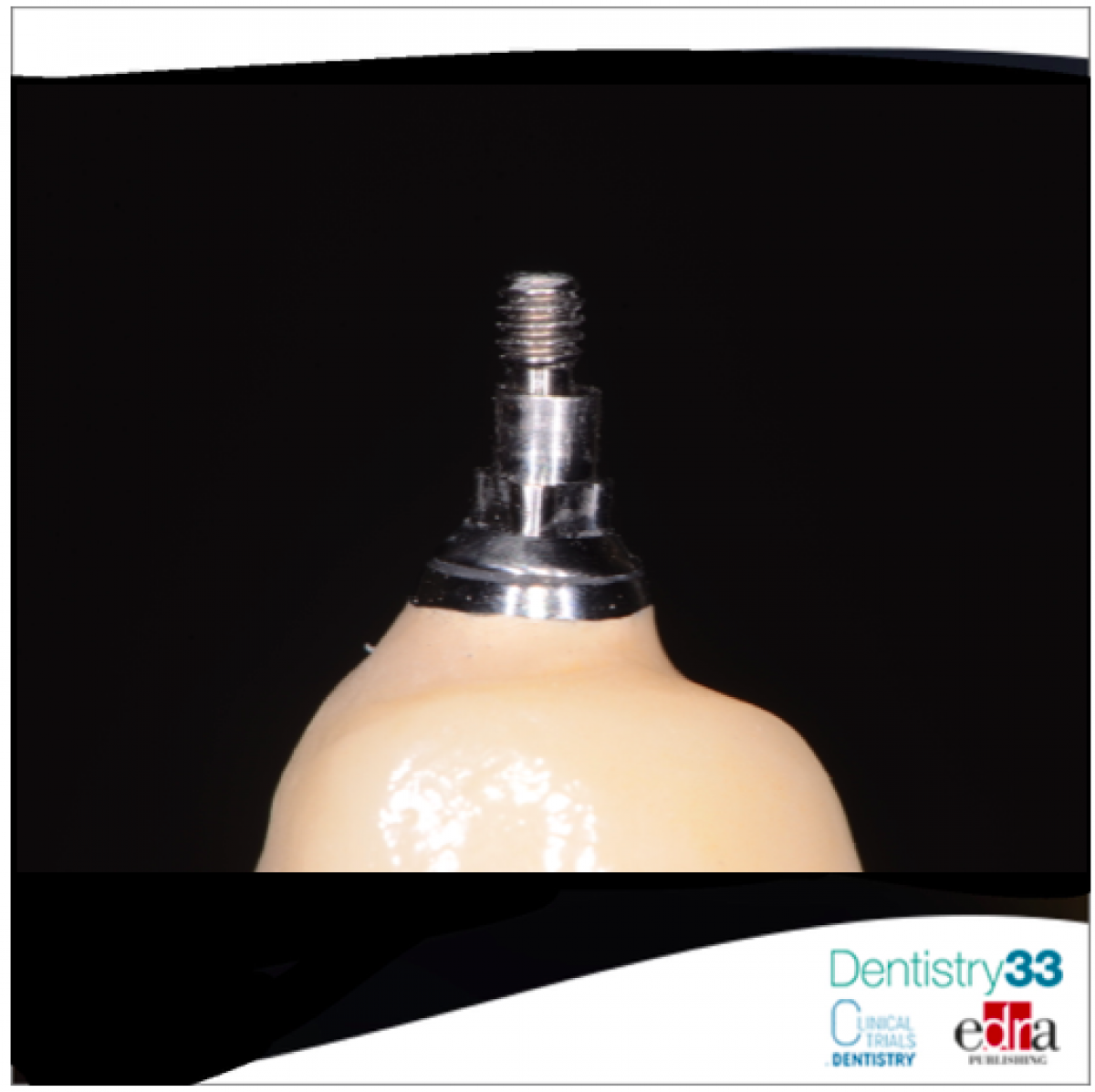
Screw retained crowns to implants are widely used to replace missing teeth. Fracture of the screw is considered one of the most common complication related to this type of prosthesis. Screws can be produced both with cold-rolling and cut threads technique. Since the rolling threads are less common in dentistry compared to industry, Armentia et al. aimed at comparing the mechanical characteristics of both manufacturing techniques. The null hypothesis tested was that rolled threads provide better mechanical response than cut threads.
Material & Methods
The mechanical and surface characteristics of the specimens were evaluated by means of an optical measuring machine, X-ray diffractometer, scanning electron microscope (SEM), and fatigue static load tests according to the International Organization for Standardization (ISO) 14801. Finally, linear regression models and 95% interval confidence bands were calculated and compared through ANOVA for fatigue tests while the t test was used for statistical comparisons (α=0.05).
Results
The authors reported a smoother surface finish, and higher compressive residual stresses for the roll- threaded screws. In addition linear regression models showed a fatigue life 9 times higher for roll-threaded screws (P=1) without affecting static behavior, which showed statistically similar static strengths (P=.54).
Conclusions
According to these results, rolling was demonstrated to be a better thread-manufacturing process for prosthetic screws, producing improved surface quality and fatigue resistance.
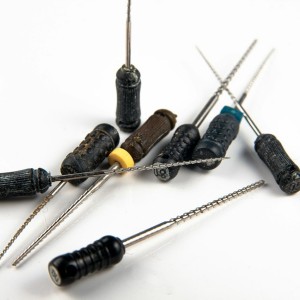
(Photocredit: Dr. Federico Del Bianco)
For more information: Fatigue performance of prosthetic screws used in dental implant restorations: Rolled versus cut threads.
 Related articles
The use of implant-retained overdentures has become an established standard of care for the edentulous arch, offering improved function, stability, and patient satisfaction compare
Oral surgery 26 March 2026

This study wants to show the cases of two patients who underwent a new reconstruction technique for wide palate defects through the use of a local flap.

This article describes an appliance which was a modification of transpalatal arch of the goshgarian type assessed by palatal mini-screw implants used as a maximum anchorage.
Implantology 04 March 2023
University of Washington dental alums invent safer lining for implant channels
Two UW dentistry alumni have created the first medical-grade screw channel barrier material for dental implants.
Authors: Marco Brady Bucci, Andrea Pase, Dario Brady Bucci
OBJECTIVESIn orthodontics, the evaluation and scheduling of the anchorage represent the crucial phase of the treatment, capable of often influencing the therapeutic result. The purpose of this work...
Read more
Products 20 October 2026

News 20 October 2026

In recognition of National Dental Hygiene Month, Delta Dental highlights key findings from its 2026 State of America’s Oral Health and Wellness Report , a nationwide analysis of co
News 20 October 2026

Abra Health Group has launched The Dental Bank, a new community impact initiative designed to make essential oral health resources more accessible to individuals and families throu
Editorials 20 October 2026
Woman’s skull likely proof of ancient nose amputation, says College of Dentistry professor

Qian Wang, professor in biomedical sciences at Texas A&M College of Dentistry in Dallas, identified what he and other researchers believe is likely one of the first examples of an
Endodontics 20 October 2026
This peer-reviewed endodontics article summarizes clinical evidence from Clinical oral investigations (2026). It focuses on findings that may help dental professionals evaluate treatment decisions,...



Copyright © 2026 - All Rights Reserved
ISSN 2767-1178