


Screening and monitoring of periodontitis by analyzing the levels of myeloid proteins in saliva
Lara Figini
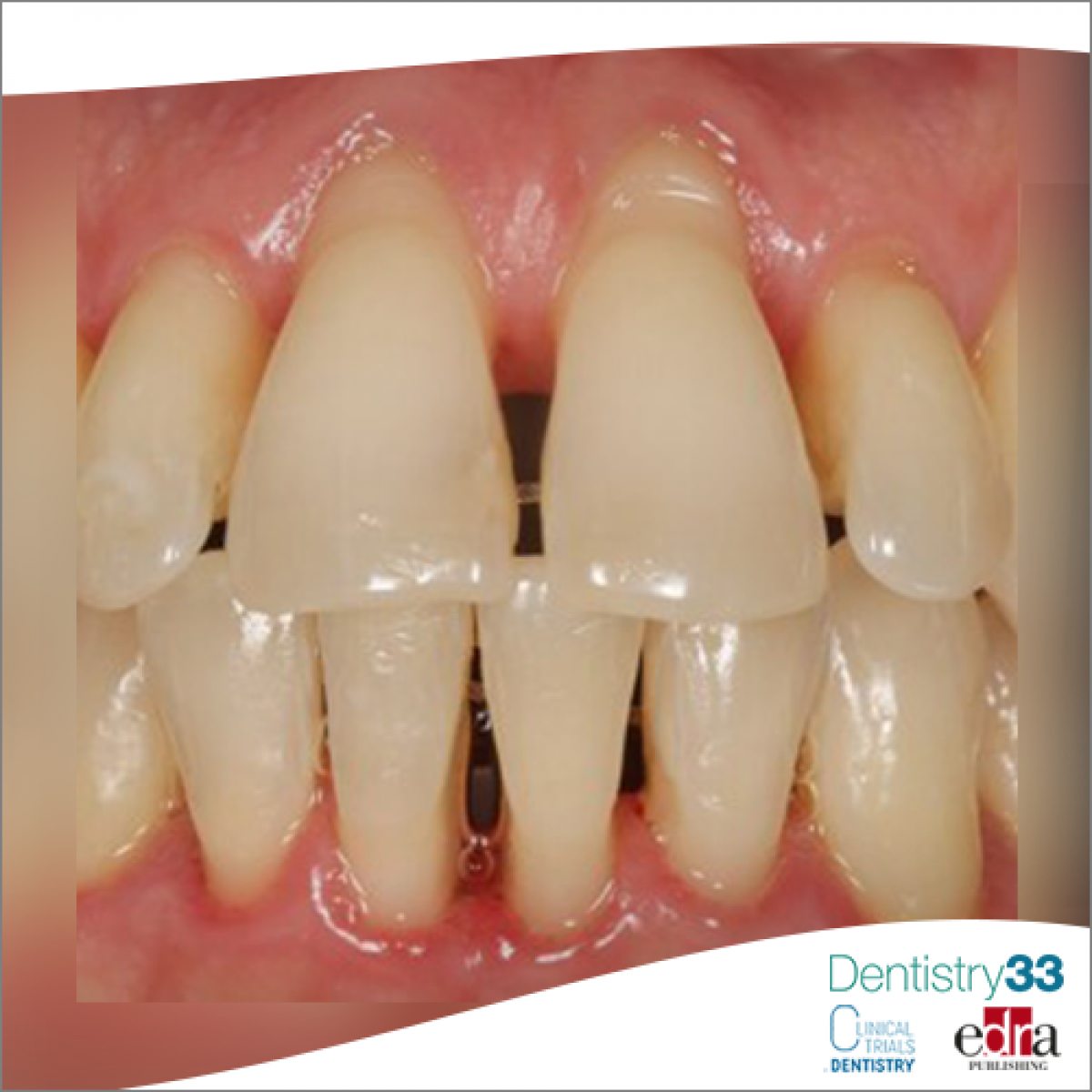
Periodontitis is a very widespread chronic disease, characterized by microbiota-induced inflammation of the supporting tissues of the tooth and can also lead, if neglected, to tooth loss as well as contributing to the systemic inflammatory load. In cases of periodontitis, immune cells infiltrate the periodontal tissues producing high concentrations of cytokines and proteolytic enzymes, such as matrix metalloproteinases (MMPs), which mediate tissue damage leading to loss of function and clinical disease. Among the immune cells, myeloid cells, which produce enzymes that undermine the integrity of the oral mucosa and mediate alveolar bone resorption, play a significant role in the pathogenesis of periodontitis. Therefore, myeloid cell-reflecting molecules are potential biomarkers for screening for periodontitis and for assessing response to therapy.
Materials and Methods
In a clinical study, published on Journal of Clinical Periodontology, November 2021, the authors evaluated the salivary levels of myeloid markers related to periodontal disease and their potential screening capacity, as well as the effects of periodontal treatment on these markers in patients with periodontitis. Participants with healthy periodontium (n = 60) and with gingivitis (n = 63) and periodontitis (n = 72) were recruited. Patients with periodontitis received non-surgical treatment and were re-examined after 3 and 6 months. Unstimulated saliva was collected at baseline time 0 and at 1, 3 and 6 months after periodontal therapies. Levels of factor-1 (CSF-1), interleukin-34 (IL-34), S100A8 / A9, S100A12, hepatocyte growth factor (HGF), IL-1β, and matrix metalloproteinase- 8 (MMP-8) were analyzed by immunoassays.
Results
CSF-1, S100A8 / A9, S100A12, IL-1β, MMP-8 and HGF were significantly more elevated in the saliva of patients with periodontitis and gingivitis compared to that of healthy subjects. IL-34 was significantly lower in periodontitis than in both healthy individuals and in patients with gingivitis. IL-34 significantly increased 3 months after treatment, while IL-1β and MMP-8 decreased 1 month after therapy. Patients were then divided into subjects with high-level and low-level S100A8 / A9 periodontitis, and subjects with high levels had more bleeding, deeper pockets, and higher S100A12.
Conclusions
From the data of this study, which must be confirmed in other similar studies, it can be concluded that the salivary levels of myeloid markers are altered in periodontitis and are partially modulated by periodontal treatment. Measurement of S100A8 / A9 in saliva can identify distinct groups of patients with periodontitis (high-level and low-level).
Clinical implications
Myeloid cells are essential for the inflammatory process in periodontitis. Therefore, measuring the molecules that reflect their functions in saliva has the potential to improve it screening and monitoring of periodontal inflammation. Measuring myeloid markers in saliva can be helpful in evaluating periodontal disease. Assessment of S100A8 / A9 in saliva can inform the identification of distinct groups of patients with periodontitis, potentially helping patient monitoring and treatment.
For additional information: Levels of myeloid-related proteins in saliva for screening and monitoring of periodontal disease
 Related articles
Editorials 10 April 2026
Vining Lab Using Hydrogel System to Advance Understanding of Periodontal Disease
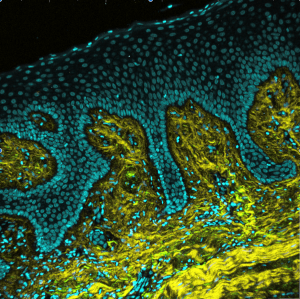
Penn Dental Medicine’s Kyle H. Vining and Hardik Makkar take a biomaterials approach to understanding periodontal disease, using a hydrogel system to investigate how the physical properties of the...
Editorials 25 April 2025
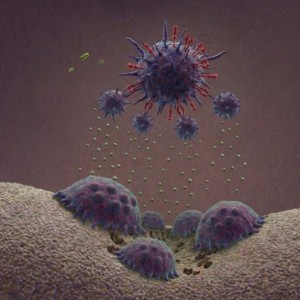
New Drug Therapy with Natural Compound Shows Promise Against Periodontal Diseases

A translational study from the lab of Dr. Esra Sahingur shows “senotherapy” drug combination was effective in lab-dish and animal models.
Periodontology 14 March 2025

Implementation of the new classification of periodontal diseases requires careful navigation of the new case definitions and organization of the diagnostic process along rationale and easily...
Oral Hygiene & Prevention 12 December 2024
Contemporary practices for mechanical oral hygiene to prevent periodontal disease

It is well established that dental plaque on teeth leads to gingivitis and periodontitis, and that several mechanical and chemical methods of plaque control can prevent gingivitis.
Read more
Products 13 October 2026


New Resources Help Dental Exhibitors Evaluate Their Investment and Explore the Personify ShowFlow™ Trade Show Success System
News 13 October 2026

New patient apps extend The Aspen Group’s mission to remove barriers to care, giving patients greater visibility, convenience, and control from booking through treatment
Editorials 13 October 2026

The forerunner of what’s now Texas A&M College of Dentistry opened 120 years ago in Dallas with the mission of educating dentists to provide quality care to patients in North Texas
Oral pathology 13 October 2026
This peer-reviewed oral pathology article summarizes clinical evidence from Oral oncology (2026). It focuses on findings that may help dental professionals evaluate treatment decisions, patient...



Copyright © 2026 - All Rights Reserved
ISSN 2767-1178