


Palatal donor site wound healing following mucogingival surgery using amnion-chorion membrane: A randomized controlled clinical trial.
This peer-reviewed periodontology article summarizes clinical evidence from Journal of periodontology (2026). It focuses on findings that may help dental professionals evaluate treatment decisions, patient outcomes, or clinical protocols.
Abstract
BACKGROUND: Free soft tissue autografts (FSTA) harvested from a patient's palate are frequently associated with significant postoperative morbidity. Several wound dressings have been applied to the palatal donor site with the aim of reducing postoperative complications and improving wound healing. Periodontal literature on the use of an amnion-chorion membrane (ACM) for this indication is limited, despite its antimicrobial, angiogenic, and anti-inflammatory properties.
METHODS: Patients requiring an autogenous soft tissue graft were randomized into receiving either an ACM or hemostatic agent (HA) palatal wound dressing following the harvest of an epithelialized FSTA. Early wound healing was assessed at 1, 2, 3, and 4 weeks following surgery using an Early Healing Index (EHI) that assessed bleeding on palpation, incomplete epithelialization, granulation tissue, inflammation, and redness. Postoperative questionnaires assessing a patient's pain level on a 21-point Numeric Rating Scale (NRS-21) and analgesic consumption over the first 72 h after the procedure were also evaluated.
RESULTS: Healing improved significantly in both treatment groups over the study period. Over all 4 weeks, EHI scores were significantly higher in the ACM treatment group by 1.17 points (p = 0.027). There was no significant difference in NRS-21 scores or analgesics consumed between groups. Graft dimensions did not significantly affect either parameter assessed, but higher patient age was associated with higher EHI scores.
CONCLUSION: ACM resulted in improved early wound healing compared to HA when applied as a palatal donor site wound dressing following a FSTA harvest. Therefore, ACM may be an appropriate palatal wound dressing for patients with anticipated delayed healing.
CLINICAL TRIAL NUMBER: Clinicaltrials.gov NCT05400213.
Key takeaway
Key takeaway: Because the evidence comes from a clinical trial design, the findings may be especially useful when comparing treatment approaches in daily practice.
Introduction from full text
Diabetic foot complications, such as ulcerations, infections, and gangrene, are a common cause of hospitalisation, amputations, and disability among diabetic patients. Routine ulcer care, treatment of infections, amputations, and hospitalisations cost billions of dollars every year in the United States alone and place tremendous burdens on health care systems worldwide. 1 , 2 , 3 Over their lifetime, up to 34% of people with diabetes may develop lower extremity ulcers, and an estimated 12% of those patients will ultimately require lower extremity amputation. 4 , 5 Concomitant conditions associated with diabetes, such as peripheral vascular disease, neuropathy, and poor blood glucose controls, as well as other often‐present comorbidities, contribute to the slow healing rates and high rates of recurrence of these wounds. An estimated 40% of diabetic patients have a recurrence within 1 year after ulcer healing. 4 Slow healing of lower extremity ulcers increases the risk of infection and potential for amputation. More than 80, 000 amputations are performed each year on diabetic patients in the United States. 1 Ulcers precede 85% of lower extremity amputations in persons with diabetes, and it is estimated that up to 85% of these amputations may be preventable. 6
Successful treatment of a lower extremity ulcer in a person with diabetes requires teamwork between a skilled and observant clinician and a compliant and motivated patient. Standard first‐line management of diabetic foot ulcers (DFUs) includes moist dressings, debridement, offloading of weight‐bearing ulcers, infection prevention, and patient education on proper foot care, yet even with the best conservative care, many months of treatment may be required before an ulcer heals. 7 Guidelines suggest that advanced wound therapies be incorporated into the treatment plan if an ulcer does not reduce in size by at least 40% after 4 weeks of standard wound therapy. 8
Clinicians seek advanced treatments that encourage rapid and complete healing of wounds in order to reduce the risk for infection and associated morbidities. Advanced treatment for diabetic lower extremity ulcers includes collagen, biological dressings and skin equivalents, platelet‐derived growth factors (PDGF), platelet‐rich plasma (PRP), silver products, negative pressure wound therapy (NPWT), and hyperbaric oxygen therapy (HBO 2 ). 5 There is little consensus as to which advanced therapy provides the greatest benefit in rates of complete healing and time to wound closure. Indeed, a systematic review of randomised controlled trials published in 2013 found a discouragingly low strength of evidence regarding the effectiveness and comparative effectiveness of advanced wound care therapies for treatment of lower extremity ulcers. 5 Yet, since the publication of that systematic review, there have been multiple publications with high‐level evidence reporting the results of randomised controlled studies on the use of a dehydrated human amnion/chorion membrane (dHACM) allograft (EpiFix, MiMedx Group Inc., Marietta, Georgia) for the treatment of lower extremity ulcers. 9 , 10 , 11
Level 1 evidence examining the efficacy of dHACM as a treatment for DFUs, in addition to wound offloading, has reported statistically significant superior rates of complete healing and a more rapid time to healing when dHACM is incorporated into the treatment plan, compared with standard wound care and offloading alone. 9 Two additional Level 1 comparative effectiveness studies have shown the superiority of dHACM, when compared with another bioengineered skin substitute (BSS) and a standard care group, in healing at 6 weeks and at 12 weeks. 10 , 11 While the results of the previous Level 1 dHACM studies were impressive, there were only four treating clinicians and study sites over a limited geographic area. The purpose of the present study is to further confirm the efficacy of using the dHACM allograft as a treatment for chronic diabetic lower extremity ulcers when administered by a wider variety of clinicians at multiple locations with a more heterogeneous patient population.
Peer-reviewed source
Kylie J Yineman, Archontia A Palaiologou, Charles A Powell, David E Deas, Brian L Mealey
Journal of periodontology. 2026
DOI: 10.1902/jop.1999.70.11.1369
PMID: 42312399
PubMed: https://pubmed.ncbi.nlm.nih.gov/42312399/
Image: Ozkan Guner (Unsplash)
 Related articles
Periodontology 08 October 2026
This peer-reviewed periodontology article summarizes clinical evidence from BMC oral health (2026). It focuses on findings that may help dental professionals evaluate treatment decisions, patient...
Periodontology 24 September 2026
This peer-reviewed periodontology article summarizes clinical evidence from BMC oral health (2026). It focuses on findings that may help dental professionals evaluate treatment decisions, patient...
Periodontology 10 September 2026
This peer-reviewed periodontology article summarizes clinical evidence from BMC oral health (2026). It focuses on findings that may help dental professionals evaluate treatment decisions, patient...
Periodontology 14 July 2026
This peer-reviewed periodontology article summarizes clinical evidence from Oral health & preventive dentistry (2026). It focuses on findings that may help dental professionals evaluate treatment...
Periodontology 07 July 2026
This peer-reviewed periodontology article summarizes clinical evidence from Oral health & preventive dentistry (2026). It focuses on findings that may help dental professionals evaluate treatment...
Read more
Products 04 November 2026
CS 1300 Intraoral Camera Delivers High-quality Images and Supports Patient Communication
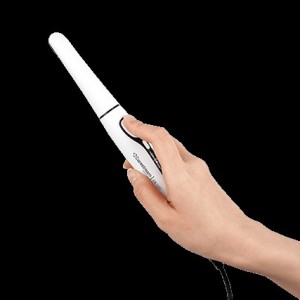
Carestream Dental’s CS 1300 intraoral camera is designed to deliver high-quality images that help support patient communication and day-to-day clinical documentation.
News 04 November 2026

Gargle, a leading dental marketing company trusted by hundreds of dental practices, is introducing a new approach to website development designed to improve security, performance
News 04 November 2026
USOSM Surgeon Supports Colorado Mission of Mercy Free Clinic
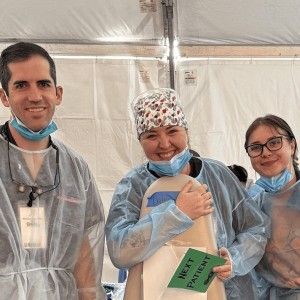
Oral Surgery Management ( USOSM ) recognizes its surgeon partner Michael Daetwyler, DDS , as he completes medical mission work in Cripple Creek, Colorado.
The University of Colorado Anschutz School of Dental Medicine is proud to welcome the DDS Class of 2030, an accomplished group of 80 future oral health professionals selected from
Products 03 November 2026
A recent in vitro study conducted by researchers in India¹ demonstrates that activating the irrigant with the SmartLite Pro EndoActivator significantly accelerates bacterial reduct



Copyright © 2026 - All Rights Reserved
ISSN 2767-1178