


UF Innovation Enhances Cavity Risk Testing
When the Food and Drug Administration issued a safety warning in 2022 about severe tooth decay associated with a commonly prescribed orally dissolving opioid use disorder medication called buprenorphine, University of Florida researchers asked an important question: How could scientists better measure the oral conditions that put teeth at risk?
Research highlights
For Kyle Kasparian , a candidate in the UF College of Dentistry’s combined D.M.D./ Ph.D. program , answering that question became part of a broader research effort. His doctoral investigations seek to uncover the biological mechanism driving cavities associated with orally dissolving sublingual buprenorphine and, ultimately, to formulate a version of the drug that retains its important therapeutic benefits while reducing risks to patients’ oral health.
“It will still be used to treat opioid use disorder,” Kasparian said. “However, we are designing the formulation so that it won’t have these associated cavity risks … with more than 15 million prescriptions written for this medication each year, that will be a huge benefit.”
In the process, Kasparian and his collaborators encountered another problem, with implications well beyond a single medication. Researchers needed a better way to interpret oral pH data when measurements are only collected periodically.
Why it matters
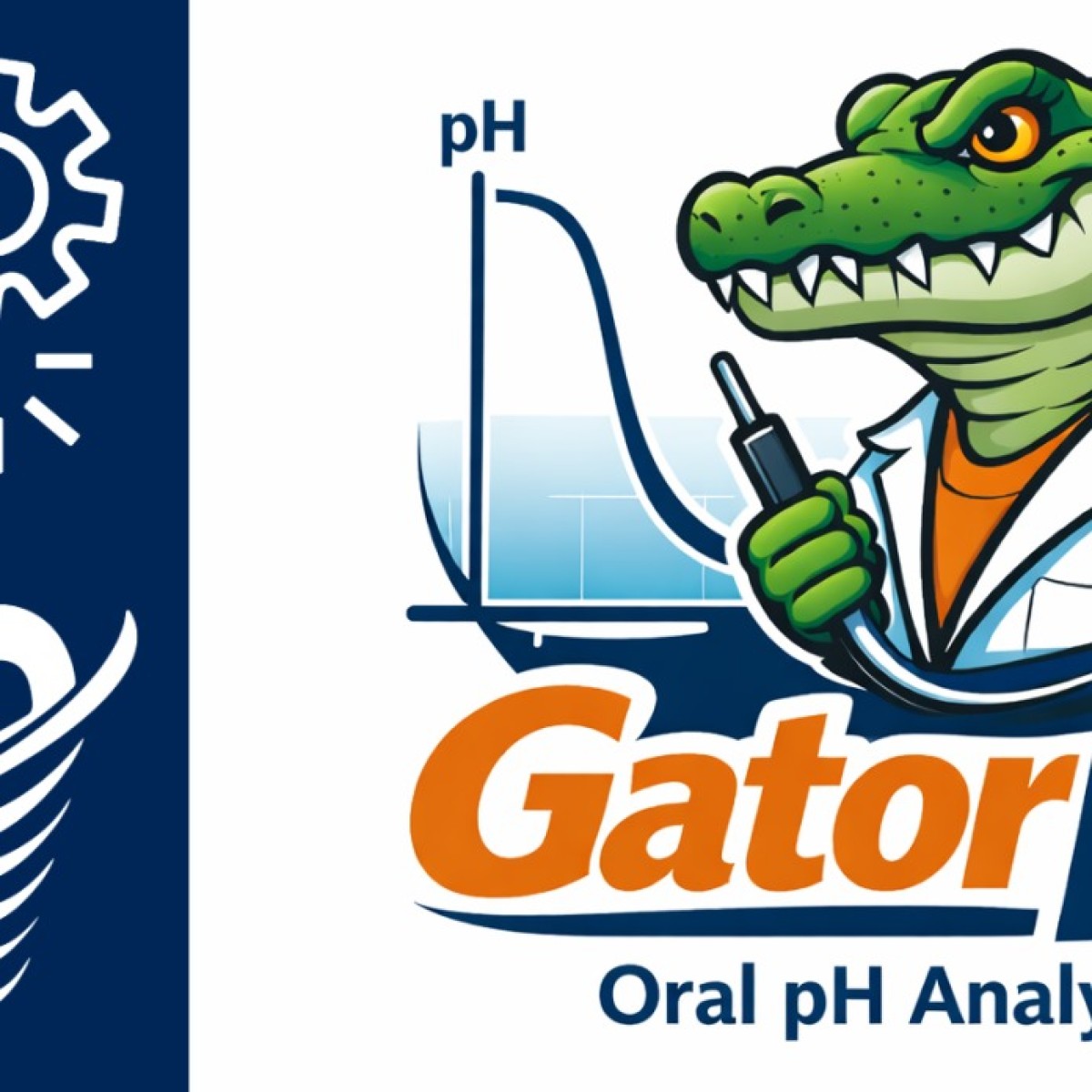
Experts in dentistry, pharmaceutics, quantitative modeling and computer science rose to the challenge. Their efforts culminated in the invention of GatorpH: A free, online research tool designed to help scientists analyze dynamic changes in oral pH and estimate factors associated with cavity risk.
Tooth decay begins within dental plaque, a sticky biofilm that traps bacterial acids against tooth enamel. Because plaque limits saliva’s ability to neutralize those acids, acidity can remain at harmful levels long after the rest of the mouth returns to normal, leading to tooth mineral loss.
Federal regulations define a dietary item or sugar substitute as cavity-causing if it drops plaque pH below 5.7, the critical threshold at which tooth enamel begins to dissolve when bacteria ferment sugars during or up to 30 minutes after consumption.
Accurately capturing what happens to pH over time, however, presents researchers with a practical challenge. Continuous plaque-pH monitoring can provide detailed information about the rise and fall of acid levels, but the methodology is demanding.
Academic context
Reliant on a wire telemetry device, the continuous monitoring approach requires patients to wear custom sensor-equipped mouthpieces while allowing plaque to accumulate — undisturbed by brushing — for multiple days. Historically, this made studies expensive, time-consuming and notoriously difficult to scale.
The alternative approach, and the method Kasparian set out to refine, is “sparse” pH sampling: taking occasional test-strip or probe readings every few minutes.
He found that medications or foods evaluated via sparse pH sampling could easily appear benign on paper while wreaking true tooth decay in real-world use.
Determining whether buprenorphine’s original pH testing had fallen into this mathematical trap became a central focus of Kasparian’s research.
As Kasparian launched a pilot cross-sectional study investigating oral pH changes among patients taking sublingual buprenorphine, the limitations of traditional modeling became increasingly apparent.
“That’s how the whole story of GatorpH started,” said one of Kasparian’s faculty mentors, Abhisheak Sharma , Ph.D., M.Pharm., associate chair of the UF College of Pharmacy’s Department of Pharmaceutics and co-director for the Translational Drug Development Core at UF .
The breakthrough occurred in a synchronistic collision of expertise. During a meeting among members of Sharma’s lab, Kasparian broached the subject of calculation inefficiencies in his study with Omar Elashkar , a College of Pharmacy graduate student with a background in quantitative modeling and computer science.
Background: In 2022, the FDA issued a warning following mounting evidence that sublingual (SL) buprenorphine is associated with severe dental caries. However, the underlying mechanisms remain poorly understood. Dental caries is a multifactorial disease heavily influenced by the oral microbiome and physiochemical properties of saliva. Thus, we designed a cross-sectional pilot study to assess caries prevalence, salivary parameters, and the levels of two key caries-associated microorganisms (CAMs), Streptococcus mutans and Candida, in patients receiving sublingual buprenorphine.
Methods: We recruited 13 patients with OUD (eight using SL films, five using SL tablets) and eight age- and sex-matched controls from the general population. Participants completed informed consent and a comprehensive questionnaire assessing medical history, dental history, oral hygiene practices, and dietary consumption. Subjects were recruited from addiction medicine clinics in Gainesville, Florida. The number of decayed, missing, or filled teeth (DMFT) or surfaces (DMFS) were calculated following oral examination. Unstimulated saliva samples were collected to determine resting pH, buffering capacity, and flow rate. Levels of CAMs from saliva and plaque were determined, and pH was monitored at set intervals up to 30 minutes post-administration.
Results: The DMFT(S) index was significantly higher in subjects receiving buprenorphine treatment relative to controls. No significant differences in salivary flow rate were noted, however resting salivary pH was significantly lower in patients receiving SL buprenorphine and all buprenorphine subjects were ranked as either having low or very low buffering capacity. Microbiological analysis revealed the ratio of Mutans streptococci to total cultivatable bacteria in saliva was over 7-fold higher in buprenorphine users. Intriguingly, all buprenorphine subjects were Candida-positive in at least one of the matrices collected. Lastly, we confirmed that saliva and plaque pH rapidly declined following administration.
Conclusion: Elevated levels of CAMs paired with reduced resting pH and buffering capacity provide novel insights into the mechanisms driving the increased caries risk associated with SL buprenorphine.
Research authors | KASPARIAN, KYLE V. ; ABERNETHY, JOHN; KATRAK, CALLAHAN; REED, SYDNEY; MARTIN, KYRA; GARCIA, BRUNA; OLIVEIRA, DAYANE; SHARMA, ABHISHEAK; MCCURDY, CHRISTOPHER R.; AND ABRANCHES, JACQUELINE.
Separating Duration and Magnitude of Acid Challenge: A Model-based Quantitative Framework for Stephan Curve Analysis
Background: Dental caries is driven by acid production from oral biofilms that lowers plaque pH below a critical threshold, resulting in enamel or dentin demineralization. The pH-time response following exposure to fermentable substrates (Stephan curve) is widely used to assess cariogenicity. Key parameters include minimum pH (pH_min) and area below the critical pH (Area < pH_c). However, most studies rely on sparse sampling and interpolation, which can underestimate these metrics. Additionally, calculating the duration of acid exposure below the critical threshold has not been systematically defined in the literature. This study aimed to develop a quantitative framework to improve estimation of oral pH dynamics and introduce time below the critical pH (T < pH_c) as a complementary metric to Area < pH_c.
Methods: Representative plaque pH datasets were digitized from published telemetry studies to evaluate the impact of sparse sampling on parameter estimation. Direct standard parameters were calculated using our algorithm. To mitigate bias from sparse data, a kinetic-pharmacodynamic model was implemented in a non-linear mixed effects framework. Model-derived estimates were compared with parameters obtained from densely sampled telemetry data. A graphical user interface (GatorpH) was developed to enable standardized analysis and visualization of oral pH dynamics.
Results: Sparse sampling underestimated pH_min and Area < pH_c when calculated directly from interpolated data. Model-based approaches reconstructed the underlying pH trajectory more accurately and produced estimates closely matching densely sampled telemetry data. The proposed T < pHc metric captures the duration of acid exposure below the critical threshold and complements Area < pHc, which reflects cumulative acid burden.
Conclusions / Significance: Model-based analysis improves estimation of caries-related pH parameters from sparse data. Introducing T < pH_c alongside Area < pH_c enables separation of duration- and magnitude-driven acid exposure, providing a more comprehensive assessment of cariogenic potential. GatorpH provides a standardized platform for analyzing oral pH dynamics in clinical and translational research.
Research authors | ELASHKAR, OMAR ; KASPARIAN, KYLE; MCCURDY, CHRISTOPHER; ABRANCHES, JACQUELINE; SHARMA, ABHISHEAK
“They complemented each other,” Sharma said. “None of them could have done this alone.”
The model accounts for biological factors such as bacterial acid production and saliva buffering, eliminating the guesswork of traditional calculations. This advance allows researchers like Kasparian to accurately reconstruct acid changes with greater ease.
GatorpH reconstructs the curved trajectory of oral pH changes rather than relying on straight-line estimates between measurements. That means it can more accurately predict key cavity-causing risk factors.
“This software will not just solve Kyle’s problem with analyzing this clinical study data; it will also solve the problem for anybody doing this kind of study around the world,” Sharma said.
Others involved in the study include Christopher McCurdy , Ph.D., FAAPS, a distinguished professor of medicinal chemistry in the UF College of Pharmacy and director of the UF Translational Drug Development Core; Jacqueline Abranches , Ph.D., an associate professor in UFCD’s Department of Oral Biology; and John Abernethy, M.D., a courtesy faculty member in the UF College of Medicine and CEO of a Gainesville-based biopharmaceutical startup .
Abernethy brought the original clinical problem to the team’s attention and connected the researchers with community addiction physicians.
The team is now poised to use GatorpH for their ultimate objective: reformulating a version of buprenorphine that won’t cause cavities. To support the work, they have applied for National Institutes of Health funding.
The team’s decision to make the tool free to everyone for noncommercial use was an easy one, Sharma said.
“If something was developed using taxpayers’ money, it should be available to taxpayers,” he said. “Dental problems are the most prevalent problems around the globe. And if we can quantify that problem in terms of mathematics, if they can improve their life with one of our software tools, that’s the best way we could achieve impact in a public university.”
Source: https://dental.ufl.edu/2026/11/02/uf-innovation-enhances-cavity-risk-testing
 Related articles
Products 17 November 2026
Dentsply Sirona Manufactures 100,000th Heliodent Plus X-Ray Unit
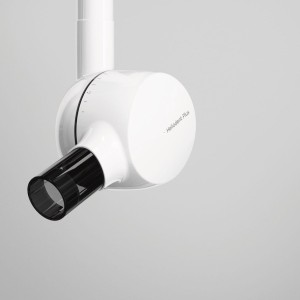
The 100,000-unit milestone reflects decades of clinician trust and the growing importance of connected imaging workflows in modern dentistry.
News 03 November 2026

HuFriedyGroup, a global dental solutions company with a more than century-long heritage of advancing clinical performance, today announced that Hu-Friedy Mfg.

New facility reinforces more than a century of Chicagoland manufacturing excellence while advancing innovation, workforce development, and the future of American-made dental produc
News 10 July 2026
BIOLASE, a MegaGen company and global leader in dental laser technology, today announced a significant investment in its Corona, California, manufacturing operations, underscoring
News 29 June 2026

HuFriedyGroup, a global leader in dental instrument manufacturing, infection prevention, and instrument reprocessing workflows, is proud to announce a strategic partnership with th
Read more
Products 20 November 2026
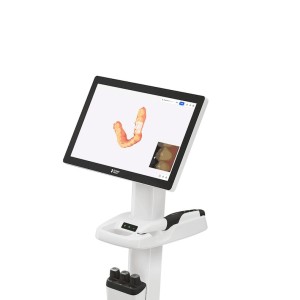
Key features include intuitive usability, highlighted by an integrated display that enhances patient understanding of scan results and supports informed treatment decisions.
News 20 November 2026

New Service Combines In-Office Photography, Custom Creative Content, and a Yearlong Posting Plan to Help Patients Get to Know the People Behind Their Care
News 20 November 2026
Dr. Cesar Tapia Awarded American College of Dentists Fellowship
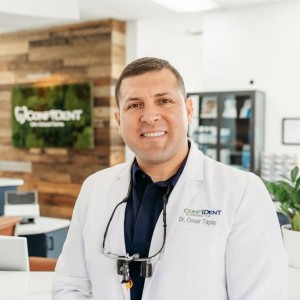
Cesar Tapia, founder of ConfiDENT in Alpharetta and Cumming, Georgia, was awarded Fellowship in the American College of Dentists on October 24, 2026, during the College’s Annual Me
Prosthodontics 20 November 2026
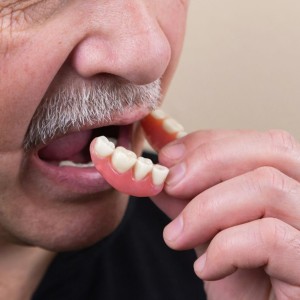
This peer-reviewed prosthodontics article summarizes clinical evidence from BMC oral health (2025). It focuses on findings that may help dental professionals evaluate treatment decisions, patient...
Products 19 November 2026
FDA Grants Breakthrough Designation to OraLiva Oral Cancer Test

Investigational cytology test is designed to help clinicians assess suspicious oral lesions with a quantitative index.


Copyright © 2026 - All Rights Reserved
ISSN 2767-1178