


How to manage drug-induced gingival hyperplasia
Lara Figini

Gingival hyperplasia (GH) is a benign enlargement of the gingiva characterized by its increase in size and volume. Causes of GH vary and include:
- accumulation of plaque,
- genetic predisposition,
- hormonal changes e
- chronic intake of specific drugs.
Multiple medications have been linked to medication-induced gingival hyperplasia (MIGH), including nifedipine, cyclosporine (CsA), and phenytoin. Even with MIGH being a benign condition, it imposes a significant impact on patients’ life quality through compromised aesthetics and daily function, more often in advanced cases. Several management options have been reported, including medical referral to consider switching the medication in question if deemed feasible and safe, scaling and root planning (SC/RP), oral hygiene instructions, and use of antimicrobial mouthrinses.
Materials and Methods
An electronic search of the literature was conducted using PICO questions (P = patients with drug-induced gingival hyperplasia; I = surgical and / or nonsurgical treatment options; C = no scrutiny required; and O = partial or complete resolution and relapse). The following databases were queried: PubMed and Web of Science following the Preferred Reporting Items for Systematic Reviews and Meta-Analyzes protocol and the literature search was conducted until December 2019. All English-language articles on management options were included surgical and non-surgical MIGH. Eligible articles were systematically screened and evaluated for bias criteria.
Results
Twenty-two eligible articles were included in this study. Management approaches included discontinuation or change of the offending medication if medically feasible in addition to surgical and nonsurgical interventions. Nonsurgical approach included scaling and root planing, oral hygiene instructions, and antimicrobial mouthrinses. Persistent or relapsed cases had complete resolution with excision of hyperplastic gingiva. Laser-assisted surgeries combined with intensive plaque control measures demonstrated less risk of recurrence.
Conclusions
From the data of this study, which must be confirmed in other similar studies, it can be concluded that the duration and size of hyperplastic gingival tissue may have an effect on the overall recurrence rate. However, several treatment options for MIGH with variable outcomes have been reported in the literature.
Clinical implications
Gingival hyperplasia induced by MIGH drugs is a gingival disorder with a potential impact on aesthetics and chewing function. The available literature on what the best management approach may be is limited, and insufficient evidence to support nonsurgical treatment versus surgical treatment. Future RCT studies will have to focus on longer follow-up to better understand the pathogenesis of this disease and the best management approach. In addition, more solid and unbiased conclusions could be generated by controlling for potential confounding factors such as drug class, dose and duration of treatment.
However, recruiting sufficient participants for these studies could be a potential challenge, considering the low overall prevalence rate of the disease.
 Read more

Jen Kim Field, chief sustainability officer at Henry Schein and president of the Henry Schein Cares Foundation, answers questions for Dentistry Today about the group’s achievements
News 12 October 2026
The education-first program offered learning for the entire dental practice, with practical insights spanning the full patient journey and focused on improving workflows, collabora
News 12 October 2026

AAO and Stand for the Silent Unite Communities This Month to Shine a Light on Bullying Prevention
Editorials 12 October 2026
Expanded coverage: Texas A&M’s Plemons named 2026 Texas Dentist of the Year

Sometimes a small act of generosity can make a tremendous impression, especially on a 7-year-old.
Endodontics 12 October 2026
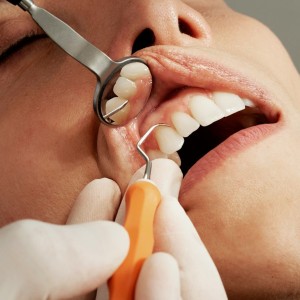
This peer-reviewed endodontics article summarizes clinical evidence from Journal of dentistry (2026). It focuses on findings that may help dental professionals evaluate treatment decisions, patient...



Copyright © 2026 - All Rights Reserved
ISSN 2767-1178