


Using AI to detect periodontal bone loss, classify related diseases

Background
Artificial intelligence (AI) can aid in the diagnosis and treatment planning of periodontal disease by means of reducing subjectivity. This systematic review aimed to evaluate the efficacy of AI models in detecting radiographic periodontal bone loss (PBL) and accuracy in classifying lesions.
Types of studies reviewed
The authors conducted an electronic search of PubMed, Scopus and Web of Science for articles published through August 2022. Articles evaluating the efficacy of AI in determining periodontal bone loss were included. The authors assessed the articles using the Quality Assessment for Studies of Diagnostic Accuracy tool. They used the Grading of Recommendations Assessment, Development and Evaluation criteria to evaluate the certainty of evidence.
Results
Of the 13 articles identified through electronic search, 6 studies met the inclusion criteria, using a variety of AI algorithms and different modalities, including panoramic and intraoral radiographs. Sensitivity, specificity, accuracy, and pixel accuracy were the outcomes measured. Although some studies found no substantial difference between AI and dental clinicians’ performance, others showed AI’s superiority in detecting PBL. Evidence suggests that AI has the potential to aid in the detection of PBL and classification of periodontal diseases. However, further research is needed to standardize AI algorithms and validate their clinical usefulness.
Practical implications
Although the use of AI may offer some benefits in the detection and classification of periodontal diseases, the low level of evidence and the inconsistent performance of AI algorithms suggest that caution should be exercised when considering the use of AI models in diagnosing PBL. This review was registered at PROSPERO (CRD42022364600).
 Related articles
This study was not funded by any organization or institution or any research grant company.

This manuscript describes strategies for assessment of precision of several diagnostic artificial intelligence (AI) tools in orthodontics
Editorials 16 March 2026

The Columbia University College of Dental Medicine, in partnership with the Columbia University Center for
Digital Dentistry 22 October 2025
Artificial intelligence in dentistry: Exploring emerging applications and future prospects

This narrative review aimed to explore the evolution and advancements of artificial intelligence technologies, highlighting their transformative impact on healthcare, education, and specific aspects...
Digital Dentistry 15 October 2025
The Impact of Artificial Intelligence on Diagnostic Accuracy and Treatment Planning in Dentistry

The use of AI in dentistry is revolutionizing the field of dentistry by enhancing the accuracy of diagnosis and treatment.
Read more
Europe 11 October 2026 - 30 November -0001
Scandinavian Dental Fair 2026: Event Preview and Professional Highlights

The Scandinavian Dental Fair 2026 will take place from November 11, 2026 to November 13, 2026 in TBD, Sweden/Denmark, offering dental professionals a focused environment for continuing education,...
Edra Professional Books 10 October 2026
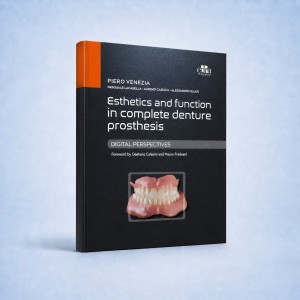
Esthetics and function in complete denture prosthesis is an Edra professional dentistry reference focused on clinical practice, education and treatment planning.
Products 09 October 2026

Oral-B and Crest, Official Oral Care Partners of the NFL, recently announced the launch of new special-edition products, giving fans even more ways to celebrate their love of the g
News 09 October 2026
Apex Dental Partners, a dental partnership organization supporting dentists and affiliated practices, has been named No.
News 09 October 2026

New education website and fully funded Swiss fellowship program debut at the 2026 Orthopaedic Trauma Association Annual Meeting in Nashville



Copyright © 2026 - All Rights Reserved
ISSN 2767-1178