


Pediatric dentistry
Pediatric dentistry 09 October 2026

This peer-reviewed pediatric dentistry article summarizes clinical evidence from BMC oral health (2026). It focuses on findings that may help dental professionals evaluate treatment decisions,...
Pediatric dentistry 29 April 2026
Exploration and innovative application of digital technology in pediatric dentistry
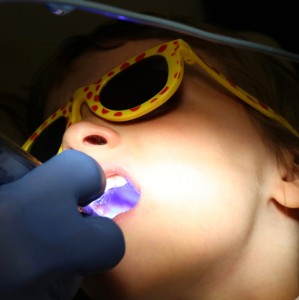
Pediatric dentistry treats patients aged 0-18 years, encompassing the characteristics of general dentistry.
Pediatric dentistry 14 April 2026
Comparison between dexmedetomidine and esketamine in pediatric dentistry surgery
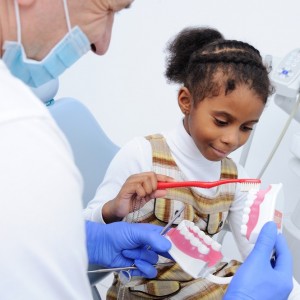
Dexmedetomidine (D) and esketamine (K) are used for the sedation of pediatric dental surgery. This study was designed to compare the effect of intranasal D and K in producing moderate sedation for...
Existing studies on adverse events (AEs) in pediatric dentistry have been limited in scope.
Pediatric dentistry 25 February 2026
Direct and indirect restorations in posterior sectors: literature vs social media
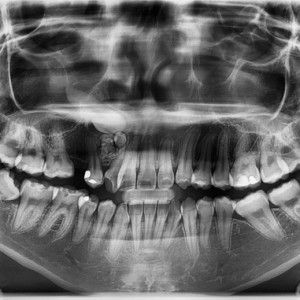
Social media are a fundamental part of modern society: at a professional level, they allow clinicians to share and comment cases, scientific literature and protocols.
Pediatric dentistry 10 February 2026
Pediatric Dentists' Approaches to Dental Treatment of Children with Dental Fear and Anxiety

Dental fear and anxiety (DFA) are important facets of pediatric dental treatment and may cause oral health neglect and dental treatment evasion.
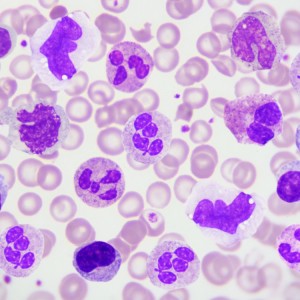
Sickle cell anemia is an inherited defect that affects the structure and synthesis of hemoglobin.
Pediatric dentistry 17 December 2025
Expert consensus on pediatric orthodontic therapies of malocclusions in children

Malocclusion, identified by the World Health Organization (WHO) as one of three major oral diseases, profoundly impacts the dental-maxillofacial functions, facial esthetics, and long-term development...
Pediatric dentistry 28 November 2025
Retrospective Review of Pediatric Oral Lesions from a Dental School Biopsy Service

This report presents a review of the results from 5457 biopsies of patients, 0-16 years of age, received over 15 years at the University of the Pacific School of Dentistry
Dental decay is the most common chronic disease of children and it disproportionately affects those living in poverty, but the reasons for this are not clear. Passive smoking may be a modifiable risk...

The purpose of this study was to describe the use of operating room (OR) time for pediatric dental procedures performed under general anesthesia (GA) at a regional children's hospital over a 2-year...
Pediatric dentistry 09 October 2025
Smart materials in pediatric dentistry: Revolutionizing care for enhanced outcomes
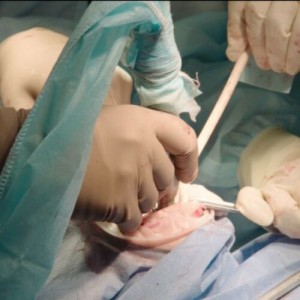
In the realm of pediatric dentistry, smart materials are reshaping conventional approaches, introducing a responsive and tailored dimension to treatment.
Pediatric dentistry 24 September 2025

The objective of this study was to survey members of the American Academy of Pediatric Dentistry (AAPD) regarding their use of behavior management techniques.
Pediatric dentistry 09 September 2025
Pediatric Dentists' Treatment Planning Decisions for Class II Carious Lesions in Primary Molars

To assess pediatric dentists' choice for restoring Class II carious lesions in primary molars.
Pediatric dentistry 26 August 2025
A trend of treatment in department of pediatric dentistry for 10 years

The purpose of this study is to analyze the changes in patient distribution and practice pattern resulted from changes of socioeconomic circumstances.
Pediatric dentistry 08 August 2025
Management of pigmented gingiva in child patient: a new era to the pediatric dentistry

Gingival health in the form of size, shape, consistency and appearance are essential components responsible for an attractive smile as well as may cause unpleasant appearance
Pediatric dentistry 17 July 2025
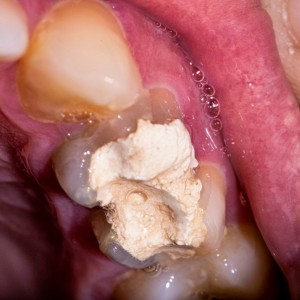

Pediatric restorative dentistry is a dynamic combination of ever-improving materials and tried-and-true techniques.
Pediatric dentistry 11 June 2025

The aim of the present study was to assess the knowledge and practice of, and attitudes toward, pulp therapy in deciduous dentition among pediatric dentists.



Copyright © 2026 - All Rights Reserved
ISSN 2767-1178