


Comparative efficacy of chemomechanical caries removal and conventional mechanical caries removal for the treatment of primary molar caries in children: a meta-analysis.
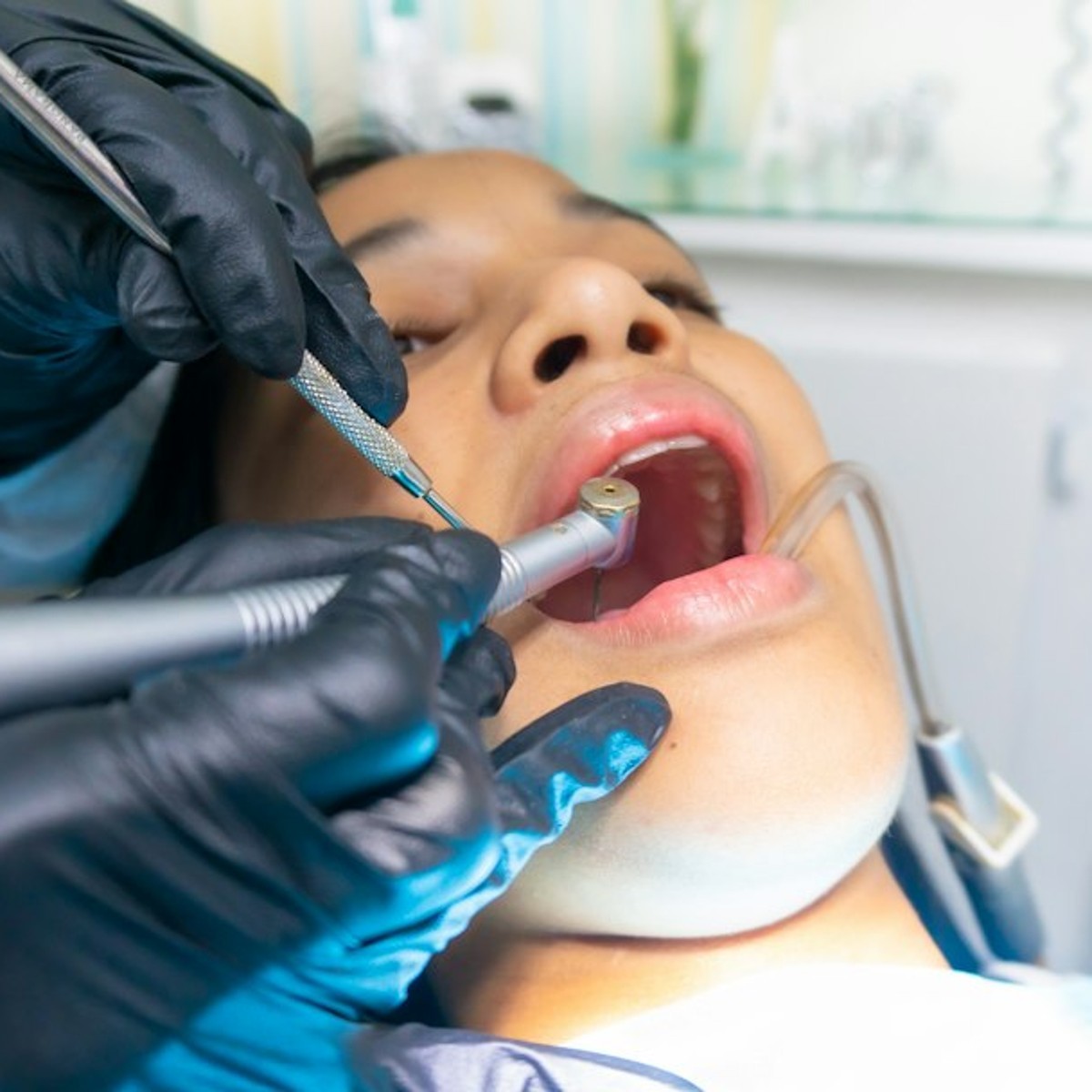
This peer-reviewed pediatric dentistry article summarizes clinical evidence from BMC oral health (2026). It focuses on findings that may help dental professionals evaluate treatment decisions, patient outcomes, or clinical protocols.
Abstract
OBJECTIVE: This study aimed to systematically appraise the clinical efficacy of chemomechanical caries removal (CMCR) compared with conventional mechanical caries removal for the treatment of primary molar caries in children.
METHODS: The protocol was registered in the International Prospective Register of Systematic Reviews (PROSPERO) under the registration number CRD420251133359. PubMed, Web of Science, Cochrane Library, and Embase were retrieved until September 27, 2025 to collect randomized controlled trials (RCTs) comparing CMCR with conventional mechanical caries removal. The inclusion criteria were established as per the population, intervention, comparison, outcome, study design (PICOS) principle: Population (P): Children with carious primary molars. Intervention (I): CMCR. Comparison (C): Conventional mechanical caries removal. Outcomes (O): Pain intensity, operative time, caries removal efficacy, child behavior, satisfaction, and microbiological evaluation. Study design (S): RCTs. The risk of bias in the included RCTs was assessed using the Cochrane Risk of Bias 2.0 (RoB 2.0) tool. We also conducted a quality assessment of evidence, namely the Grading of Recommendations Assessment, Development and Evaluation (GRADE) assessment. A meta-analysis was performed using Stata/MP 15.1.
RESULTS: A total of 17 RCTs involving 1,306 child patients were included. The meta-analysis showed that the CMCR group had substantially lower pain scores than the conventional group (standardized mean difference (SMD) = - 1.70, 95% confidence interval (CI): - 2.19 to - 1.21). The operative time was significantly longer in the CMCR group (SMD = 2.10, 95% CI: 1.31-2.89), and the child behavior scores were substantially higher in the CMCR group (SMD = 0.95, 95% CI: 0.69-1.21, I² = 0%). Caries removal was more thorough in the conventional group. Subgroup analyses based on different gel types yielded generally consistent results, although the limited number of studies in certain subgroups precluded definitive comparisons between products.
CONCLUSION: CMCR showed advantages over conventional mechanical caries removal in terms of pain control, child behavior, and patient satisfaction, with comparable antibacterial efficacy, but required longer operative time. This technique may be considered a potential alternative for the treatment of primary molar caries in children, particularly for uncooperative children and for deep caries near the pulp. However, these findings should be interpreted with caution due to the limited number of included studies and high heterogeneity across outcomes.
Key takeaway
Key takeaway: This review-level evidence helps clinicians interpret the consistency and strength of available clinical findings in this topic area.
Peer-reviewed source
Yuanyuan Zhang, Lixia Zhang
BMC oral health. 2026
DOI: 10.17796/jcpd.32.3.1r08w6k1478865u7
PMID: 42399929
PubMed: https://pubmed.ncbi.nlm.nih.gov/42399929/
Image: lafayett zapata montero (Unsplash)
 Related articles
Pediatric dentistry 29 April 2026
Exploration and innovative application of digital technology in pediatric dentistry
Pediatric dentistry treats patients aged 0-18 years, encompassing the characteristics of general dentistry.
Pediatric dentistry 14 April 2026
Comparison between dexmedetomidine and esketamine in pediatric dentistry surgery
Dexmedetomidine (D) and esketamine (K) are used for the sedation of pediatric dental surgery. This study was designed to compare the effect of intranasal D and K in producing moderate sedation for...
Existing studies on adverse events (AEs) in pediatric dentistry have been limited in scope.
Products 13 January 2026
Revolutionizing Pediatric Dentistry with Dr. Josh Solomon: SDI Stela & Bioclear Insights

Join pediatric dentist Dr. Josh Solomon as he discusses the cutting-edge SDI Stela self-curing composite system and the Bioclear matrix system, and how these products are transforming Class II...
Read more
Products 09 October 2026
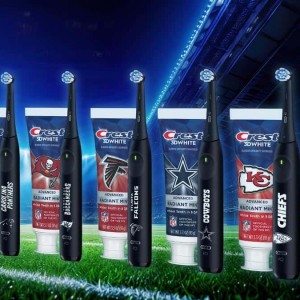
Oral-B and Crest, Official Oral Care Partners of the NFL, recently announced the launch of new special-edition products, giving fans even more ways to celebrate their love of the g
News 09 October 2026
Apex Dental Partners, a dental partnership organization supporting dentists and affiliated practices, has been named No.
News 09 October 2026

New education website and fully funded Swiss fellowship program debut at the 2026 Orthopaedic Trauma Association Annual Meeting in Nashville
Editorials 09 October 2026
From California to Canada: CU Anschutz School of Dental Medicine at ADEA, GRC and IADR 2026
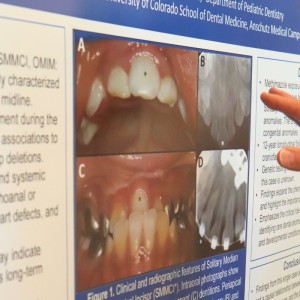
The CU Anschutz School of Dental Medicine will showcase a wide breadth of educational innovation, faculty development, clinical training and research at three major gatherings this
Products 08 October 2026
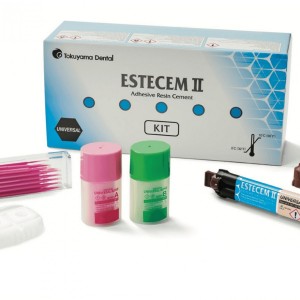
Cementation remains one of the most nuanced and decisive phases in restorative dentistry, where small deviations can significantly influence long-term success.


Copyright © 2026 - All Rights Reserved
ISSN 2767-1178