


Systemic and oral adverse effects of semaglutide reported in randomized controlled trials: a scoping review.

This peer-reviewed oral hygiene & prevention article summarizes clinical evidence from BMC oral health (2026). It focuses on findings that may help dental professionals evaluate treatment decisions, patient outcomes, or clinical protocols.
Abstract
OBJECTIVES: To map the systemic and oral adverse events (AEs) of semaglutide reported in randomized controlled trials (RCTs).
DATA: This scoping review was conducted following the PRISMA-ScR guidelines. Only english-language and RCTs were considered.
SOURCES: A literature search was conducted in PubMed, Scopus, and Web of Science from 2019 until 2025.
STUDY SELECTION: Of 630 identified records (300 in PubMed, 312 in Scopus, and 18 in Web of Science), 12 studies were included after screening. The review identified systemic AEs of semaglutide, primarily gastrointestinal events like nausea (12 studies) and diarrhea (11 studies). Less frequent effects included pancreatitis (5 studies), hepatobiliary (3 studies) and gallbladder disease (3 studies), dental caries (1 study) and dry mouth (1 study). Subcutaneous administration predominating (7 studies), followed by oral (3) and mixed routes (2), over treatment durations of 21-68 weeks and 4-9 weeks of follow-up. Additionally, systemic events such as nasopharyngitis (5 studies), COVID-19 (5 studies), and metabolic or nutrition-related disorders were reported in all 12 studies. Importantly, none of the included studies directly investigated oral or dental outcomes.
CONCLUSIONS: Semaglutide demonstrated an overall favorable safety profile in the included randomized controlled trials, with adverse events predominantly gastrointestinal. However, the RCTs did not provide direct evidence regarding oral health outcomes. Therefore, the available evidence is insufficient to draw conclusions about oral adverse events associated with semaglutide, highlighting the need for randomized clinical trials specifically designed to assess oral health outcomes in patients receiving GLP-1 receptor agonists.
Key takeaway
Key takeaway: Because the evidence comes from a clinical trial design, the findings may be especially useful when comparing treatment approaches in daily practice.
Introduction from full text
Type 2 diabetes mellitus (T2DM) is a complex and progressive disease due to a progressive loss of β-cell insulin secretion frequently on the basis of insulin resistance that manifests clinically as hyperglycemia (Inzucchi et al., 2015 ). Despite various medications are now available for the treatment of T2DM, it remains a challenge to select anti-diabetic agents that come with a good balance between efficacy and safety.
Metformin is generally recommended as the first-line therapeutic agent in T2DMs with lifestyle changes according to the American Diabetes Association (ADA) and European Association for the Study of Diabetes (ADA/EASD).(Inzucchi et al., 2012 ).
When lifestyle changes and maximally tolerable dose of metformin fail to control hyperglycemia, other anti-hyperglycemic drugs are necessary to better control of glucose including oral antihyperglycemic drugs (sulfonylureas, thiazolidinedione, DPP4 inhibitors, alpha glucosidase inhibitors etc.) and injectable anti-hyperglycemic drugs (insulin, Glucagon-like peptide-1 receptor agonists etc.) (Koro et al., 2004 ; Doggrell, 2018 ). Of note, the effect of long-term glycemic control may not be maintained owing to gradually declined beta cell function or subsequently increased cardiovascular risk (Turner et al., 1999 ). Therefore, the selection of anti-hyperglycemic drugs balancing the efficacy and safety is needed.
Glucagon-like peptide-1 receptor agonists (GLP-1 RAs), a kind of secreted peptide that release from neuroendocrine intestinal L-cells, are recently recommended by American Diabetes Association/European Association for the Study of Diabetes (ADA/EASD) as a second-line treatment when first-line treatment (mainly metformin monotherapy) fails to achieve well controlled glucose. Owing to their efficacy on glycemic control and reduction of body weight and blood pressure (BP), with a low risk of hypoglycemia, GLP-1RAs are extensively used in diabetes patients (Inzucchi et al., 2012 ; Dugan, 2017 ).
Semaglutide, a newly subcutaneous and long acting GLP-1 RA with 94% structural homology to native GLP-1, has been approved by the United States Food and Drug Administration (FDA) on December 5, 2017, as an adjunct to diet and exercise for the treatment of T2DM (Lau et al., 2015 ; Dhillon, 2018 ). Semaglutide has three modified GLP-1 peptides that contains two amino acid substitutions as compared to native GLP-1 (Aib8, Arg34) and derivatized at lysine 26. Semaglutide is similar to liraglutide in structure, but more resistant property than liraglutide by structural modifications, making it less susceptible to degradation by enzyme dipeptidyl peptidase-4 and more albumin affinity (Lau et al., 2015 ). The molecular modification of semaglutide brings about a long half-life of 165 h, which may represent a preferably once-weekly GLP-1 analog (Kapitza et al., 2015 ). Although semaglutide has been evaluated in several randomized trials, the overall evaluation of semaglutide is urgent. We thus conducted a systemic review and meta-analysis to present a comprehensive picture on the efficacy and safety of semaglutide in patients with T2DM.
Peer-reviewed source
Daniella Muknickas, João Victor Frazão Câmara, Anton Schestakow, Manuela da Silva Spinola, Débora Heller, Matthias Hannig
BMC oral health. 2026
DOI: 10.3389/fphar.2018.00576
PMID: 43034163
PubMed: https://pubmed.ncbi.nlm.nih.gov/43034163/
Image: William Warby (Unsplash)
 Related articles
Oral Hygiene & Prevention 02 November 2026

This peer-reviewed oral hygiene & prevention article summarizes clinical evidence from Odontology (2026). It focuses on findings that may help dental professionals evaluate treatment decisions,...
Oral Hygiene & Prevention 30 October 2026
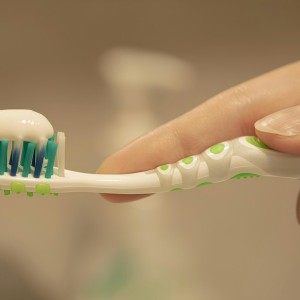
This peer-reviewed oral hygiene & prevention article summarizes clinical evidence from BMC oral health (2026). It focuses on findings that may help dental professionals evaluate treatment...
Oral Hygiene & Prevention 29 October 2026

This peer-reviewed oral hygiene & prevention article summarizes clinical evidence from BMC oral health (2026). It focuses on findings that may help dental professionals evaluate treatment...
Oral Hygiene & Prevention 14 October 2026
Propolis-containing formulations in caries prevention - a systematic review and meta-analysis.

This peer-reviewed oral hygiene & prevention article summarizes clinical evidence from Clinical oral investigations (2026). It focuses on findings that may help dental professionals evaluate...
Oral Hygiene & Prevention 30 September 2026
Propolis-containing formulations in caries prevention - a systematic review and meta-analysis.

This peer-reviewed oral hygiene & prevention article summarizes clinical evidence from Clinical oral investigations (2026). It focuses on findings that may help dental professionals evaluate...
Read more
Products 23 November 2026

In this episode of Speaking of Dentistry… The Editor’s Cut with Stan Goff, Stan Goff, Managing Editor of Dentistry Today , speaks with Saro Hatzakortzian, CEO of Alien Milling Tech
News 23 November 2026
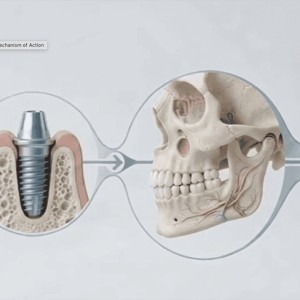
NIH-funded research expands evaluation of company’s technology into a significant new indication involving bone loss around dental implants.
News 23 November 2026
Growth leader joins as Curve advances its $200 million R&D commitment and builds the platform dental practices won’t outgrow.
Editorials 23 November 2026
Honoring Achievement, Embracing Service: School of Dentistry Commencement 2026

Surrounded by family and friends, the UCSF School of Dentistry Class of 2026 came together at the Palace of Fine Arts Theatre on May 28, 2026, to celebrate their graduation and mar
Asia&Oceania 22 November 2026
AEEDC Dubai / Dubai Dental Show 2027 in Dubai: Event Preview and Professional Highlights

The AEEDC Dubai / Dubai Dental Show 2027 will take place from January 19, 2027 to January 21, 2027 in Dubai, United Arab Emirates, offering dental professionals a focused environment for continuing...


Copyright © 2026 - All Rights Reserved
ISSN 2767-1178