


Carious lesions on primary molars: three different strategies
Alessandra Abbà

Dental caries of primary dentition continues to be one of the major health problem in the world. And even if prevention and acknowledgment of the dental biofilm as main responsible of carious lesions are very improved through the years, there is still much uncertainty amongst DPs over how to most effectively manage this problem. This have encouraged investigation of alternative and easier approaches to caries management, including minimally-invasive techniques.
This multicenter, 3-arm, parallel-group, patient-randomized controlled trial, published on Journal of Dental Research on November 2019, compared three different strategies to front carious lesions on primary molars.
MATERIALS AND METHODS
1144 children with an age between 3-7 years and with at least one primary molar tooth with a carious lesion extending into dentin, not associated with pain or infection, were enrolled for the study. Participants were randomly allocated to one of three treatment strategies.
1)Best Practice Prevention Alone (PA, n 377), involving dietary investigation, toothbrush with a fluoridated toothpaste and- for over 7 year-olds-fluoride mouth-rinsing, topical fluoride varnish on primary and permanent teeth and fissure sealants on permanent teeth.
2)Conventional with Best Practice Prevention (C+P, n 386), that means conventional carious lesion management providing for local anesthesia (LA) administration, complete mechanical removal of carious tissue and filling with a proper restoration material, and prevention.
3)Biological with Best Practice Prevention (B+P, n 381), providing for sealing in carious tissue with an adhesive restorative material and prevention.
The outcomes of the study were:
- the proportion of participants with at least 1 episode of dental pain and/or infection,
- the number of episodes of dental pain and/or infection during a follow-up period of at least 23 months.
RESULTS
As regard the first outcome, statistical analysis showed the following proportions of participants with at least one episode of dental pain and/or infection: C+P, 42%; B+P, 40%; PA, 45%. Instead the mean (SD) number of episodes of dental pain and/or infection registered the following data: C+P, 0.62 (0.95); B+P, 0.58 (0.87); and PA, 0.72 (0.98).
CONCLUSIONS
There was no evidence of difference between the three different strategies compared neither for incidence nor for number of episodes of dental pain\infection.
For additional informations: Child Caries Management: A Randomized Controlled Trial in Dental Practice
 Related articles
Pediatric dentistry 09 October 2026
This peer-reviewed pediatric dentistry article summarizes clinical evidence from BMC oral health (2026). It focuses on findings that may help dental professionals evaluate treatment decisions,...
Pediatric dentistry 29 April 2026
Exploration and innovative application of digital technology in pediatric dentistry
Pediatric dentistry treats patients aged 0-18 years, encompassing the characteristics of general dentistry.
Pediatric dentistry 14 April 2026
Comparison between dexmedetomidine and esketamine in pediatric dentistry surgery
Dexmedetomidine (D) and esketamine (K) are used for the sedation of pediatric dental surgery. This study was designed to compare the effect of intranasal D and K in producing moderate sedation for...
Existing studies on adverse events (AEs) in pediatric dentistry have been limited in scope.
Read more
Products 20 October 2026

News 20 October 2026

In recognition of National Dental Hygiene Month, Delta Dental highlights key findings from its 2026 State of America’s Oral Health and Wellness Report , a nationwide analysis of co
News 20 October 2026

Abra Health Group has launched The Dental Bank, a new community impact initiative designed to make essential oral health resources more accessible to individuals and families throu
Editorials 20 October 2026
Woman’s skull likely proof of ancient nose amputation, says College of Dentistry professor
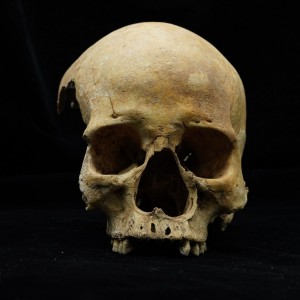
Qian Wang, professor in biomedical sciences at Texas A&M College of Dentistry in Dallas, identified what he and other researchers believe is likely one of the first examples of an
Endodontics 20 October 2026
This peer-reviewed endodontics article summarizes clinical evidence from Clinical oral investigations (2026). It focuses on findings that may help dental professionals evaluate treatment decisions,...



Copyright © 2026 - All Rights Reserved
ISSN 2767-1178