


Changes in nutrition during orthodontic treatment
Davide Elsido

The most important goals of orthodontic treatment are esthetic and functional improvement. In addition to esthetic correction, orthodontic treatment can enhance the quality of a patient's life by achieving better occlusion and improving chewing function and the variety of food intake. The duration of fixed orthodontic treatment may vary according to the severity of the malocclusion and the treatment applied and may last approximately 1-3 years. During orthodontic treatment, food consumption can be affected negatively because of pain and functional limitations. In addition, physiological and emotional stress during the orthodontic treatment are thought to increase the nutritional requirements of the patient. A good quality diet plays a fundamental role in maintaining good oral and overall health. Nutrition affects periodontal health, immune system, growth, and development. It is thought that orthodontic treatment can affect these processes by changing the frequency, quantity, and quality of feeding. Nutrition affects the growth and proliferation process of cells and tissue and organ development. Nutrition is considered to be an important in increasing the tissue tolerance of patients undergoing orthodontic treatment.
This study, published on the American Journal of Orthodontics, aimed to evaluate the changes in food consumption in adolescents during orthodontic treatment. Twenty-five adolescents before and during treatment were interviewed, and their food consumption frequency and 24-hour retrospective food consumption records were taken.
During orthodontic treatment, the patients are instructed to avoid sticky, gummy, and very hard foods to prevent the breakage of the appliances. Those limitations on food intake might affect the nutrition pattern of the patients. In addition, it is known that during orthodontic treatment, the teeth are sensitive to pressure, especially in the first weeks of activation, and this sensitivity can lead to functional limitations. Patients may avoid chewing hard foods and may prefer consuming soft foods. Especially in the first 3-5 days after treatment, patients might avoid fruits, raw vegetables, and other hard foods because they cannot chew properly because of the sensitivity of the teeth. These changes in nutrition result in consuming significantly less protein, calcium, fiber, and some vitamins. Soft foods are preferred while avoiding hard foods during orthodontic treatment, and this might cause decreasing protein and fiber consumption and increasing carbohydrate and fat consumption.
As results of this study, there was no significant difference between total energy, protein, and carbohydrate intake. However, total fat intake decreased in the first week of treatment and increased significantly in the treatment process. After orthodontic treatment, a significant decrease was observed in fiber intake. Vitamin E and vitamin C were also significantly reduced in the first week of treatment, but a certain increase was observed in the following weeks, although they did not return to baseline values.
Considering the importance of adequate nutrition in terms of the growth and development of adolescents, it is thought that the undesired effects of orthodontic treatment on nutrition can be minimized by the dietitian following the treatment of adolescents receiving orthodontic treatment. Furthermore, guiding the patient for the relief in the sensitivity and pain felt during orthodontic treatment may play a role in increasing the diversity of food intake.
 Related articles
Orthodontics 28 October 2025
The relationship between odontogenic bacteraemia and orthodontic treatment procedures
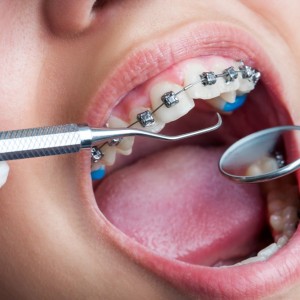
The purpose of this research was to estimate the prevalence and intensity of bacteraemia associated with orthodontic treatment procedures.

To assess changes in oral health–related quality of life (OHQoL) in children undergoing fixed orthodontic treatment and compare it to that of two groups not receiving treatment.
Digital Dentistry 19 September 2022
The power of AI in orthodontics: Dr. Marina Domracheva, 3D Predict

Artificial intelligence (AI) has immense power, with applications that use data and results in near real-time. Dentistry33's Paola Omini recently spoke with Dr. Marina Domracheva, founder, and owner...
Orthodontics 05 September 2022
Effect of orthodontic treatment on periodontal health of periodontally compromised patients
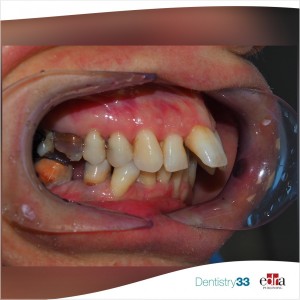
An increasing number of adult patients are now seeking orthodontic treatment due to an increased focus of society on esthetics and health consciousness. With the incidence of periodontal problems...

Over the past few years, 3D cone beam computed tomography (CBCT) has become increasingly important in orthodontic diagnosis and treatment planning. 3D imagery has helped orthodontists get an accurate assessment of their patient’s teeth with the goal of cr
Aligners and Artificial IntelligenceThe growing orthodontics market is driving even greater demand for more effective, yet still comfortable, treatment options. Clear aligner manufacturer 3D Predict...
Read more
Europe 27 September 2026 - 30 November -0001
Digital Dentistry Society Global Congress 2026: Event Preview and Professional Highlights

The Digital Dentistry Society Global Congress 2026 will take place from October 22, 2026 to October 24, 2026 in TBD, Rotating Europe, offering dental professionals a focused environment for...
Editorials 27 September 2026
Dentistry33 survey highlights replacement care, deep caries and evolving restorative workflows
Reader survey finds direct composites remain dominant, secondary caries is the leading reason for restoration replacement, and clinicians want more training in pulp preservation
Reader survey finds direct composites remain dominant, secondary caries is the leading reason for restoration replacement, and clinicians want more training in pulp preservation
Edra Professional Books 26 September 2026
Manual of oral surgery: A Practical Reference for Dental Professionals
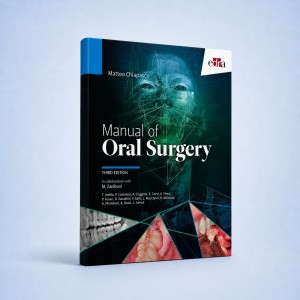
Manual of oral surgery is an Edra professional dentistry reference focused on clinical practice, education and treatment planning.
Products 25 September 2026
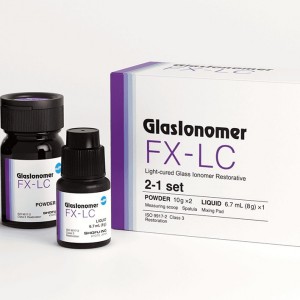
Shofu Dental’s line of dental restorative materials now includes FX-LC, a next-generation, light-cure, resin-reinforced glass ionomer formulated to deliver high strength, efficient 4
News 25 September 2026

The scholarships are part of an ongoing workforce solutions strategy to help address the need for skilled dental hygienists



Copyright © 2026 - All Rights Reserved
ISSN 2767-1178