


Role of third molars in orthodontics
The role of third molars in the oral cavity has been extensively studied over the years. Literature includes numerous diagnostic and treatment alternatives regarding the third molars.
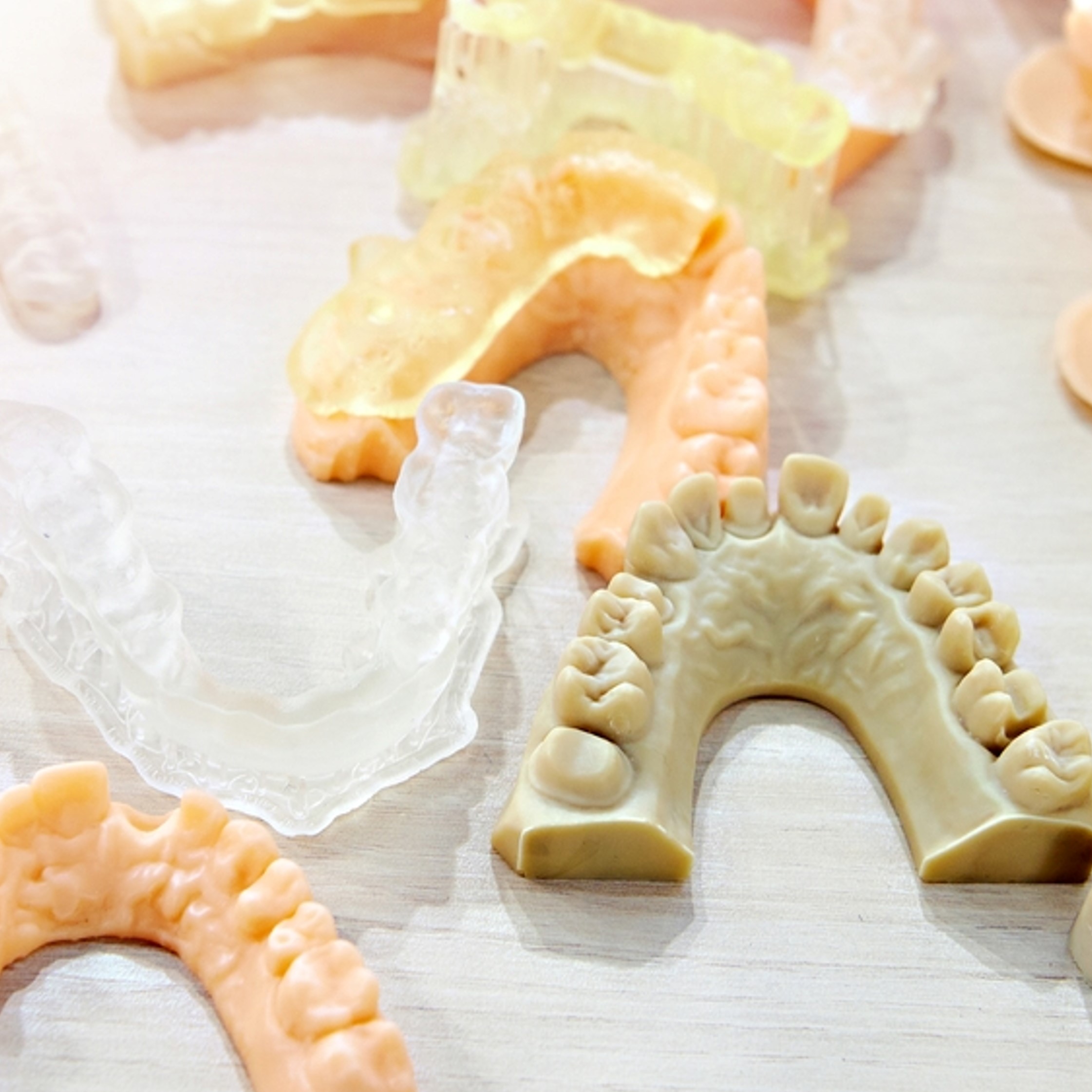
The role of third molars in the oral cavity has been extensively studied over the years. Literature includes numerous diagnostic and treatment alternatives regarding the third molars. However, an issue that has not been discussed at the same level is their involvement in orthodontic therapy. The aim of this study is to present a review of the contemporary literature regarding the most broadly discussed aspects of the multifactorial role of third molars in orthodontics and which are of general dental interest too.
Core tip: There are multiple factors associated with the eruption or impaction of third molars. According to the existing literature, orthodontic extraction treatment is not directly associated with the eruption of third molars, but might have a positive effect on their position and angulation. There is currently no reliable research evidence supporting the prophylactic removal of non-pathological impacted third molars for the prevention or relief of mandibular incisor crowding.
INTRODUCTION
The development of third molars and their interaction with the rest of the dentition has been of great concern to general dentists and dental specialists for a long time. Third molar is a tooth characterized by variability in the time of its formation and calcification, its crown and root morphology, its course of eruption and final position, presence or absence in the oral cavity[1,2]. Third molars start appearing on radiographs as early as the age of 5 years and as late as the age of 16 years, usually erupting in the oral cavity between the ages of 18 and 24[3] and they present the highest rate of impaction[4,5].
Although, in the majority of cases, third molars are not directly involved in orthodontic treatment, the fact that, in some cases, they can influence the latter or be influenced it, dictates their direct involvement in treatment planning.
The main issues, concerning the third molars that are related to orthodontic treatment and have been most extensively reported throughout the literature are: the possibility of their eruption or impaction in relation to genetically predetermined factors, the possible repercussion of orthodontic treatment extractions in their position and their influence in orthodontic post-treatment mandibular incisor relapse. These are the topics that are going to be presented and discussed in the herein review.
For the purpose of this study, an extensive online search of PubMed database was conducted. The main focus of the investigation was on original research articles in English. No chronological or other limits were applied.
Authors: Konstantinia Almpani, Olga-Elpis Kolokitha
Source: https://pmc.ncbi.nlm.nih.gov/
 Related articles
This study was not funded by any organization or institution or any research grant company.
Pediatric dentistry 14 April 2026
Comparison between dexmedetomidine and esketamine in pediatric dentistry surgery
Dexmedetomidine (D) and esketamine (K) are used for the sedation of pediatric dental surgery. This study was designed to compare the effect of intranasal D and K in producing moderate sedation for...
Prosthodontics 01 April 2026
Evidence-based clinical practice is a process of combining research utilization, clinical expertise, and appreciation of the unique needs of patients to achieve better quality of care and improved...
Periodontology 15 December 2025

In dental practice, the successful management of a patient with periodontitis and concurrent diabetes can be challenging.
Oral Hygiene & Prevention 23 October 2025
In healthcare, the need to pay more attention to the achievement of two objectives within the society arises: health promotion and prevention in terms of nutrition, good education, sport, and...
Read more

Continuous innovation across the DEXIS ecosystem helps clinicians work with greater clarity, confidence, and efficiency
News 23 October 2026

CrownPoint Partners announced the successful closing of a $9.2 million, five-property dental sale-leaseback portfolio located throughout Michigan.
News 23 October 2026
Dentsply Sirona, Midwest Dental Expand Technology Relationship

Beginning November 1, Dentsply Sirona will expand its long-standing relationship with Midwest Dental Equipment & Supply beyond consumables to include its complete technology portfo
Editorials 23 October 2026
Honoring Excellence: Graduation Awards for CU Anschutz Dental Students and Faculty

As the University of Colorado Anschutz School of Dental Medicine celebrates the graduating DDS Class of 2025, we are proud to recognize the students and faculty members whose excep
Implantology 23 October 2026
This peer-reviewed implantology article summarizes clinical evidence from Clinical oral implants research (2026). It focuses on findings that may help dental professionals evaluate treatment...



Copyright © 2026 - All Rights Reserved
ISSN 2767-1178